
American Beautyberry: The Native Shrub That Earns Its Purple
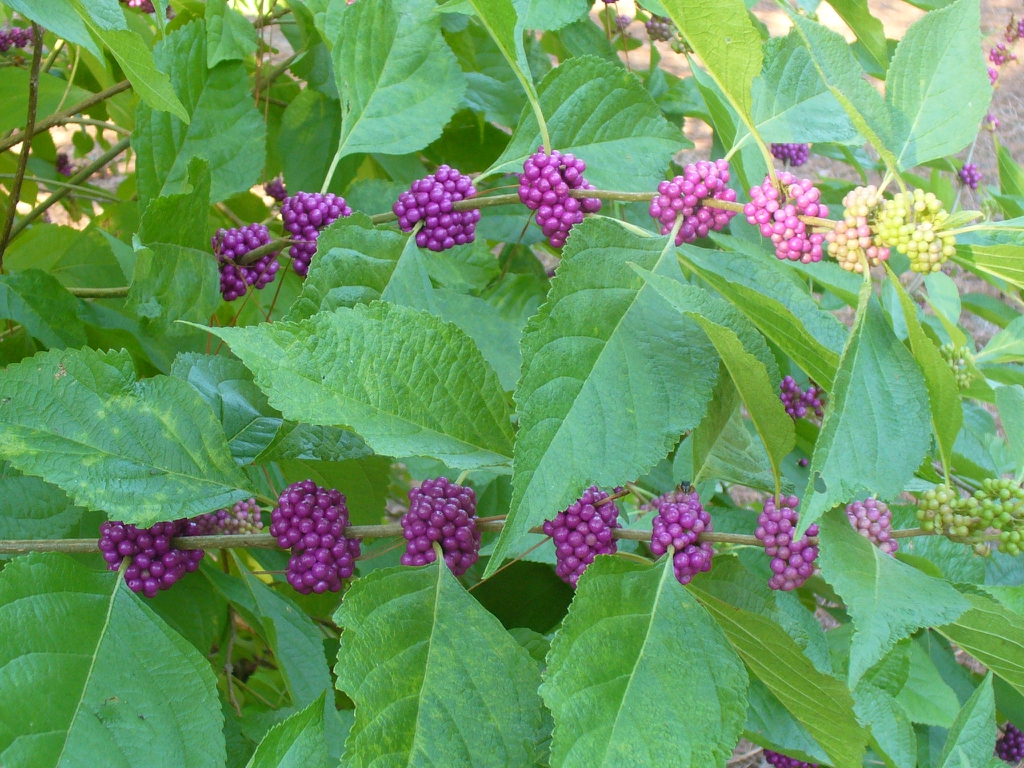
There's a moment in late summer, usually around August, when you're walking a coastal woodland edge and something stops you. It's not subtle. Callicarpa americana — American beautyberry — is fruiting, and those clusters of bright magenta-purple berries are loud enough to read from across a path.
If you've never noticed a beautyberry before, you will after this. Once you know what you're looking at, you can't stop seeing it.
What Is American Beautyberry?
A native shrub of the southeastern coastal plain — and one of the most visually striking plants in our region.
American beautyberry (Callicarpa americana) is a native shrub in the family Lamiaceae — the same family as mint and basil, though it shares none of that familiar scent. It's a plant of the southeastern United States, common through coastal plain forests, moist woodland edges, and shrubby thickets from Virginia south through Florida and west into Texas. In coastal North Carolina, it's practically everywhere once you start looking: roadsides, forest understories, the margins of wet pine flatwoods, and backyard borders that get a little afternoon shade.
For most of the year, the plant is easy to overlook. It grows as a sprawling, somewhat coarse shrub — typically four to eight feet — with large, opposite leaves and small clusters of pink flowers in summer that most people walk right past. Then the fruit ripens. The berries, technically drupes, are borne in tight clusters that ring the stems at each leaf node, and they turn that unmistakable magenta-purple in late summer. They can persist well into fall and winter depending on how quickly wildlife finds them.
The color comes from anthocyanins, the same class of pigments behind the purple in blueberries and red cabbage. In beautyberry, the concentration is striking, and the plant's chemistry turns out to be more interesting than its ornamental reputation suggests. Research from the USDA found that compounds in Callicarpa species — specifically callicarpenal and intermedeol — repel mosquitoes and ticks comparably to some synthetic products. The berries are edible but not exactly snacking material; they're tart and seedy, better suited for jelly or as wildlife food, which is where most of them end up anyway.
The Wildlife Value Is the Point
More than 40 bird species have been documented feeding on beautyberry fruit.
In coastal North Carolina, that list reads like a fall birding checklist: American robins, gray catbirds, brown thrashers, northern mockingbirds, cedar waxwings. The fruit ripens at exactly the right time to fuel fall migration, and birds that need to put on weight fast before long flights will hit a heavy-fruiting beautyberry hard. White-tailed deer and raccoons eat the berries too. The plant flowers in summer during peak pollinator activity, supporting native bees and other insects that largely go unnoticed against the showier fall display.
What often gets less attention is the structural value of the plant — not just what it produces, but what it is. Beautyberry has a dense, layered growth habit with foliage close to the ground and woody stems that stay put through winter. In moist coastal plain habitats, that kind of structure matters. It provides cover. It holds moisture. It creates the kind of shrubby edge habitat that a lot of animals depend on, not just for food but for shelter, thermoregulation, and hunting.
The Shrub and the Tree Frog
Tree frogs are a familiar presence in the coastal plain, and the moist, shrubby habitat where beautyberry thrives is exactly where you'd expect to find them. During the day, when they're not actively hunting, tree frogs use low vegetation for shelter — resting on leaves and stems, conserving moisture, staying out of direct sun.
In late summer, when beautyberry is heavy with fruit and the foliage is at its thickest, it becomes a microhabitat in its own right. The insects drawn to the surrounding vegetation mean good hunting. The dense stems and broad leaves mean cover. It's one of those native plant moments that happens at the intersection of a lot of ecological relationships at once: the shrub is fruiting, the birds are moving through, the insects are active, and a tree frog is somewhere in there doing exactly what it needs to do.
Native plants tend to be embedded in these kinds of webs. That's not a romantic overstatement — it's what a plant that evolved here over thousands of years looks like when it's doing its job.
→ Shop the Beautyberry & Tree Frog Enamel Pin
Growing Beautyberry in Coastal NC
Low-maintenance, highly rewarding, and genuinely adapted to our conditions.
Beautyberry tolerates part shade well and actually does better with some afternoon protection in full coastal heat. It prefers moist but not waterlogged soil and establishes fairly easily in the coastal plain with minimal intervention. It can get large — give it room, or plan to cut it back hard in late winter, which it handles without complaint and rebounds from vigorously. It spreads by birds dropping seeds, which means you may end up with volunteers in unexpected spots. Most native plant gardeners consider this a feature.
In coastal North Carolina, it pairs well with other native shrubs like inkberry (Ilex glabra), wax myrtle (Morella cerifera), and Virginia willow (Itea virginica) in a layered shrub border. That kind of planting gives you staggered fruiting seasons and a habitat structure that supports wildlife year-round, not just when the beautyberry is putting on its fall show.
Learn More & Find Plants
I hope you learned something. Share this with a friend who'd appreciate it, and keep following The Plant Ecologist for more science-based plant education.
-
NC Extension Gardener Plant Toolbox — Callicarpa americana
Full profile with care, regional suitability, and wildlife value ratings -
NC Wildflower Society Nursery List
Find local nurseries stocking beautyberry and other coastal NC natives -
Beautyberry & Tree Frog Enamel Pin — $12
Designed by plant ecologist Gabriella de Souza, featuring NC native species