
Companion planting usually gets framed as a gardening trick. Plant marigolds near tomatoes to deter pests. Tuck basil next to peppers. These are garden hacks. What native plant communities do is different.
Plants that evolved together in NC's coastal plain and piedmont have layered, overlapping relationships built into their biology. They share pollinators across the season. Their roots divide the soil by depth rather than competing for the same resources. Understanding those relationships is the actual science behind companion planting.
Bloom Succession: Keeping Pollinators Fed From April Through October
A pollinator garden that peaks in June and goes quiet by late July is not doing enough. Most native solitary bees fly for four to six weeks as adults. To support a full community of bee species, the garden needs flowers throughout the growing season.
That is not about planting more species. It is about choosing plants whose bloom times connect. Wild Indigo (Baptisia australis) opens in spring before most summer perennials start. Black-Eyed Susan (Rudbeckia hirta) carries the early and midsummer. Purple Coneflower (Echinacea purpurea) overlaps through summer. Asters and goldenrod hold the fall for bees still provisioning nests through October.
These plants share pollinators. A native bee that nests near goldenrod in September is often the same species that visited coneflowers in August. Keeping that food supply intact across the season is the ecological logic behind planting them together.
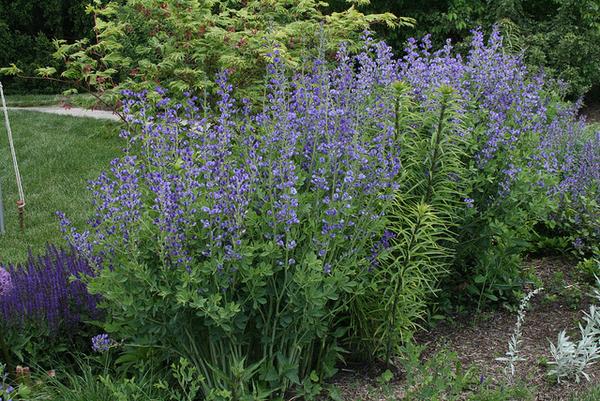
A deep-rooted legume that forms root nodules with nitrogen-fixing soil bacteria. It blooms in spring before most perennials, giving specialist native bees an early food source. Long-lived and low-maintenance once established, it anchors a planting for decades.
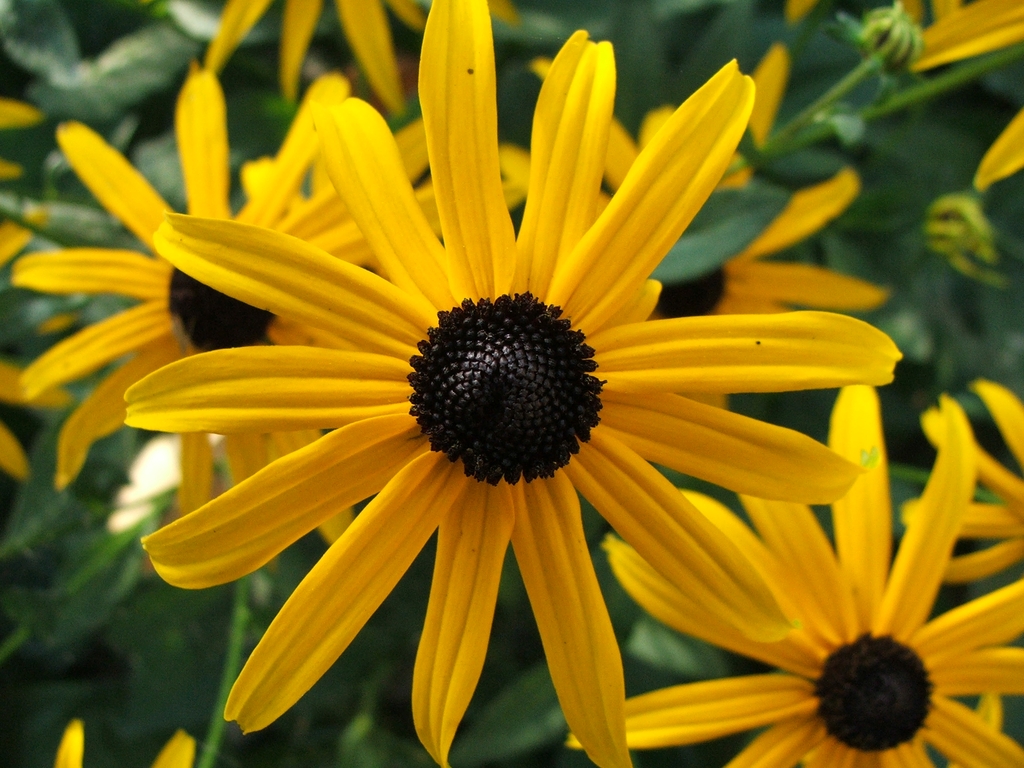
Open-faced flowers accessible to a wide range of native bees and beetles. Blooms from early summer into fall. A reliable first-year bloomer that self-seeds in disturbed soil.
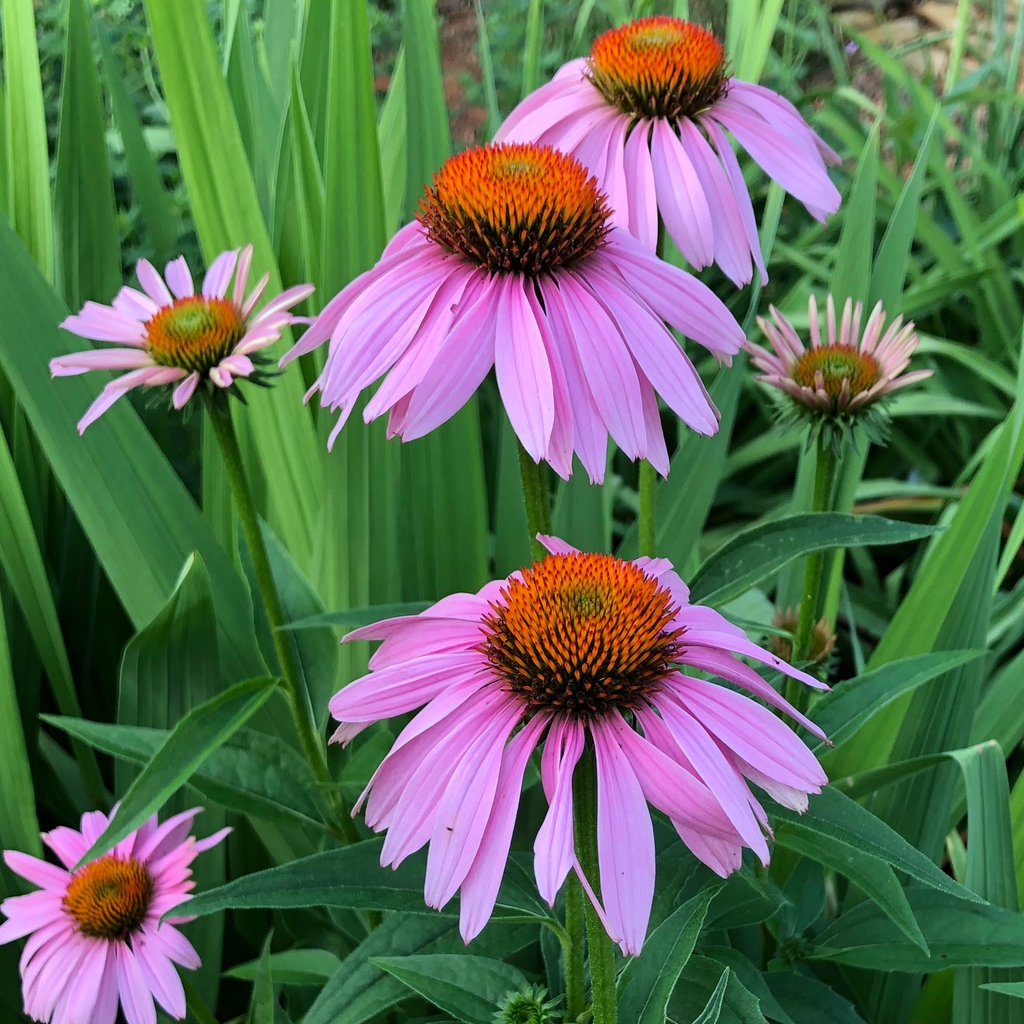
A summer-blooming native that supports long-tongued bees including bumblebees and Melissodes species. Seed heads feed goldfinches from August through winter. Overlaps in bloom time with Black-Eyed Susan for midsummer pollinator density.
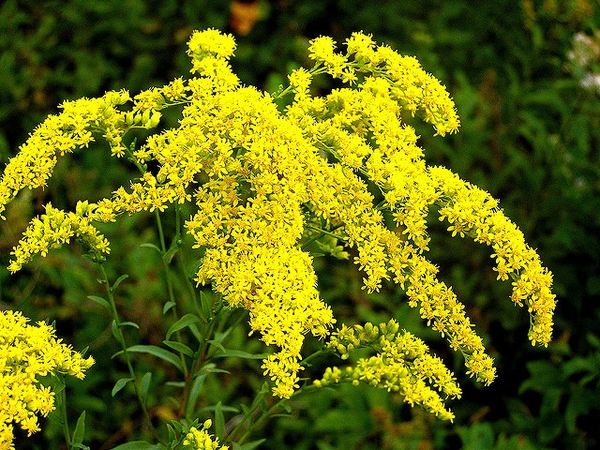
A keystone genus supporting over 100 species of specialist bees in eastern North America. Fall-blooming goldenrod is critical for bees building fat reserves before winter. Multiple species are native across NC's coastal plain and piedmont.
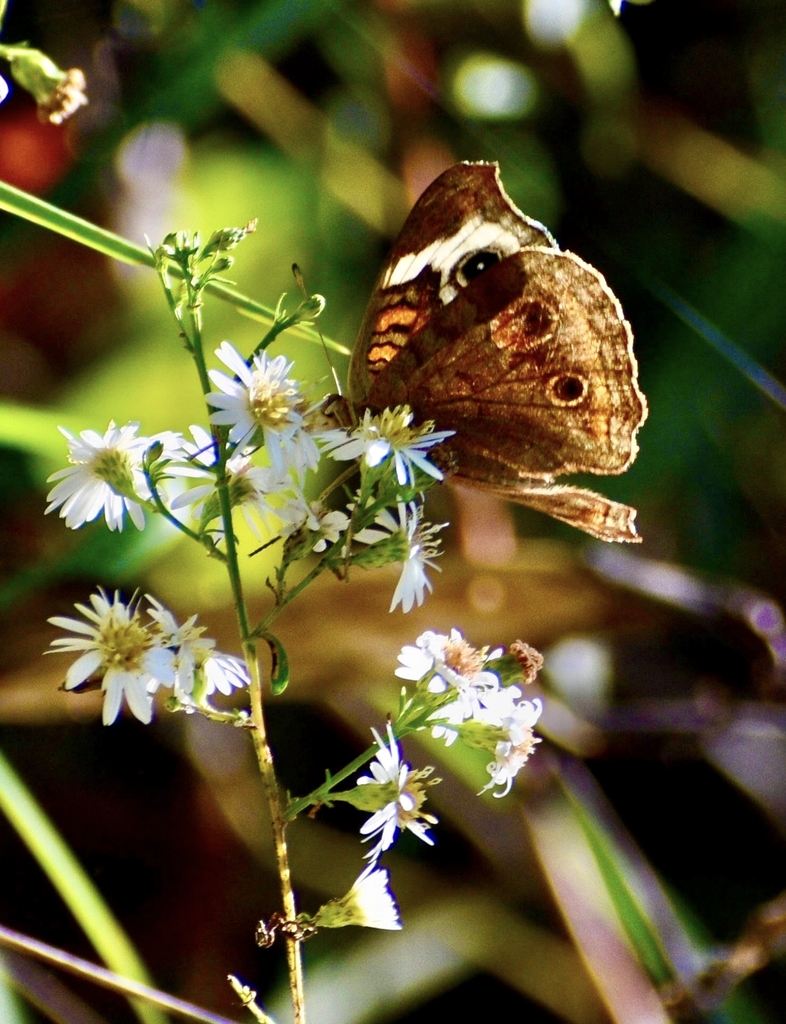
Asters bloom alongside goldenrod in fall, extending the nectar window through October. Rice button aster (Symphyotrichum dumosum) is common across NC's coastal plain. Late-season butterflies and specialist bees depend on this overlap.
Root Architecture: Why Grasses and Forbs Belong Together
Native meadow and coastal plain ecosystems evolved as dense mixtures of grasses and flowering plants. They grow together not despite competition but because they are working different layers of the same soil.
Native grasses like Little Bluestem (Schizachyrium scoparium) and Pink Muhly (Muhlenbergia capillaris) have dense fibrous roots concentrated in the upper 12 inches. Forbs like Wild Indigo send taproots down two to four feet. They are not pulling water and nutrients from the same zone. In sandy coastal plain soils that dry out fast between rains, that vertical division of resources is what makes a mixed planting stable over time.
Grasses also provide winter structure that forbs cannot. Standing stems and leaf litter give native bees places to nest and overwinter. Seed heads feed sparrows and finches from October through February. Cut them back in late winter only, not fall. The habitat is in the standing grass.
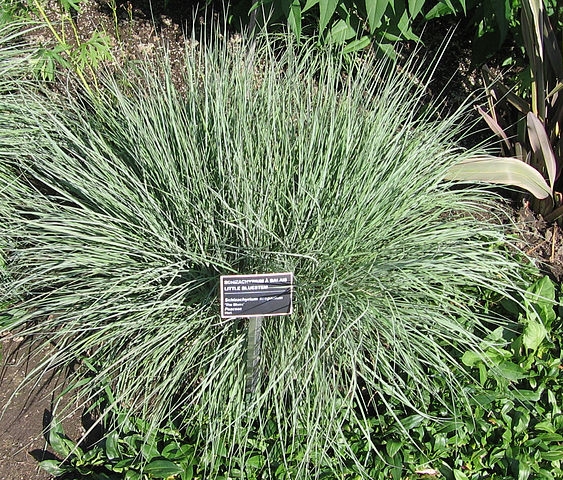
A signature grass of NC's coastal plain that turns copper-red in fall and holds color through winter. Standing stems provide overwintering habitat for native bees. Tolerates dry, sandy soil and does not spread aggressively.
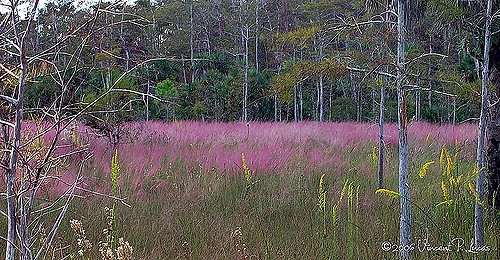
Native to the NC coastal plain and adapted to sandy, low-nutrient soils. The pink-purple fall bloom is striking alongside late asters. Salt tolerant and a strong choice for gardens within a few miles of the coast.