
Most garden centers fill their spring displays with Bradford pears and ornamental cherries. Both are non-native. Both offer little to local wildlife. Meanwhile, several native trees bloom just as spectacularly in March and April, support native bees and butterflies at a critical time in the season, and require far less maintenance once established. Here are five worth knowing.
These species grow throughout the Carolinas, though some perform especially well in the coastal plain and piedmont. All are available through native plant nurseries and increasingly at local plant sales. If you're adding a tree to your yard this spring, these are where to start.
The Star of Early Spring: Eastern Redbud
Eastern Redbud (Cercis canadensis) blooms before its leaves open, coating branches and even its trunk and main limbs in magenta-pink flowers. This cauliflorous growth habit, where flowers emerge directly from bark rather than branch tips, is unusual and unmistakable. It makes the tree easy to identify from a distance even before you get close enough to see the leaf shape.
Redbud is a keystone species for early spring pollinators. It supports Mason bees and other native solitary bees that emerge before most other flowering plants are open. Henry's elfin butterfly (Callophrys henrici) uses Redbud as its primary larval host plant in the Southeast, making this tree genuinely irreplaceable for that species. Plant one and you may see Henry's elfin adults visiting in March or April.
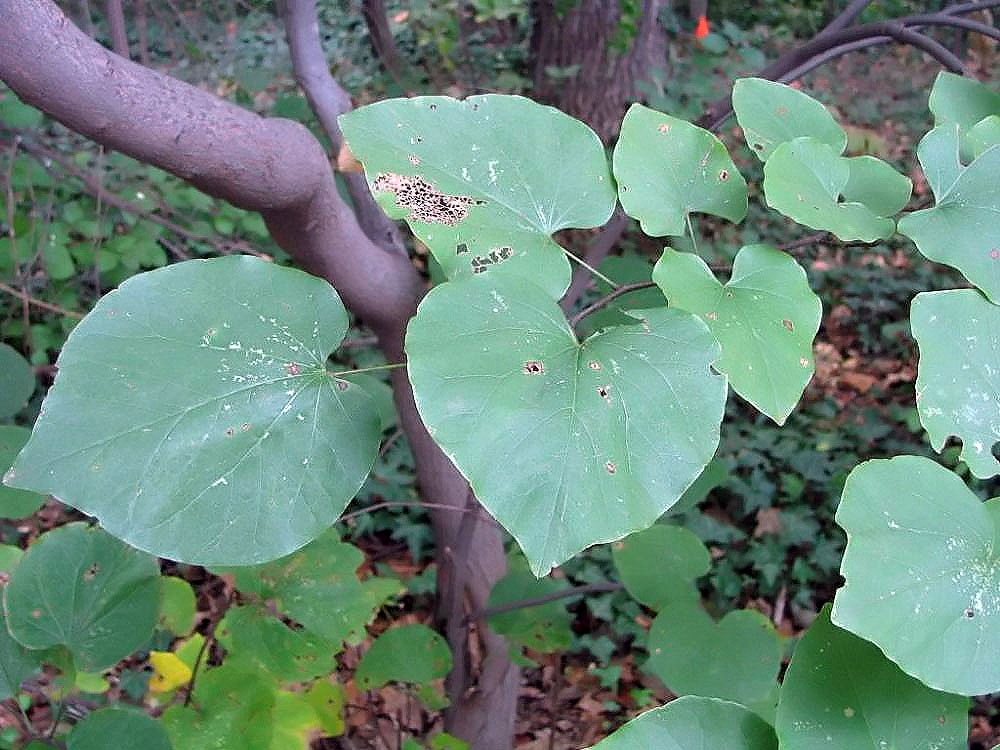
Small to medium deciduous tree blooming March to April before leaf-out. Host plant for Henry's elfin butterfly. Thrives in partial shade or full sun. Native throughout NC including the coastal plain.
Four More Trees That Bloom in Spring
All four are native to North Carolina and offer real value for local wildlife.
You don't have to choose just one. These four species complement each other in a yard. They bloom at slightly different times, grow to different sizes, and support different groups of pollinators and birds. A yard with several of them provides a longer window of spring resources than any single tree could.
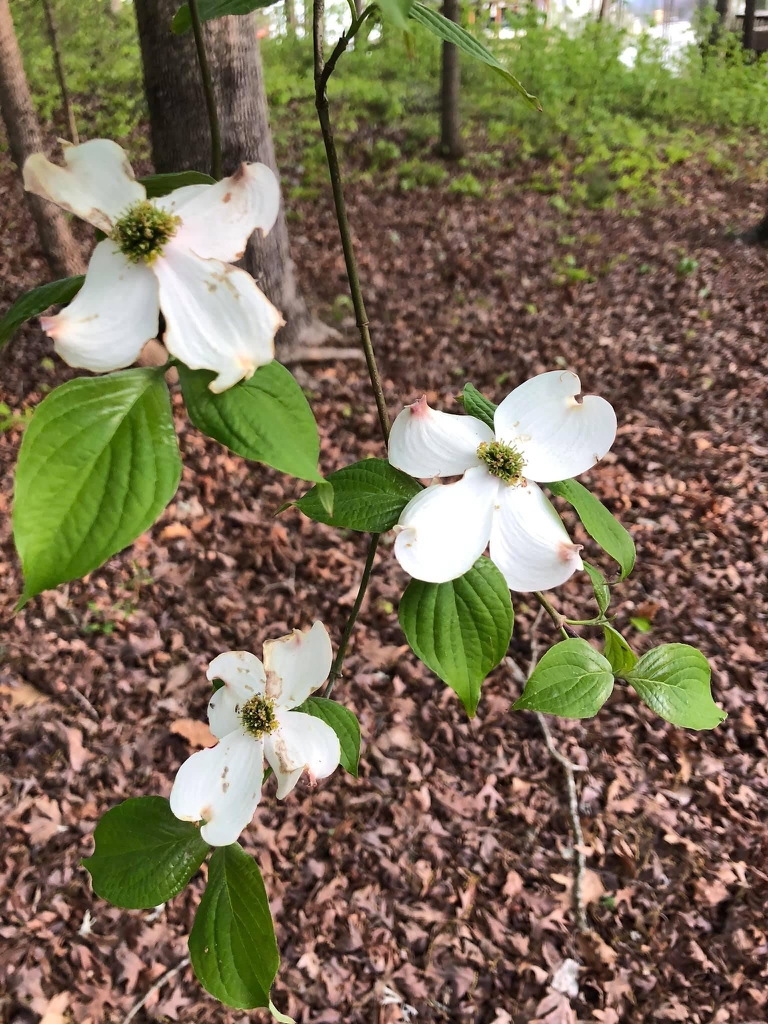
NC's state flower. White to pink bracts open in April, followed by glossy red berries in fall that many bird species depend on. Host plant for Spring Azure butterfly. Performs best in partial shade with good drainage. Plant away from deer pressure where possible.
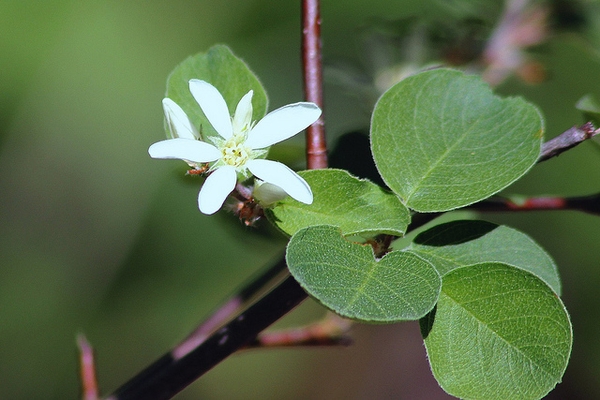
One of the first trees to bloom in NC, sometimes as early as late February. White flowers precede the leaves. Berries ripen in June and are heavily used by migratory songbirds. Adapts well to part shade and moist sites. Can grow as a multi-stemmed small tree or a large shrub.
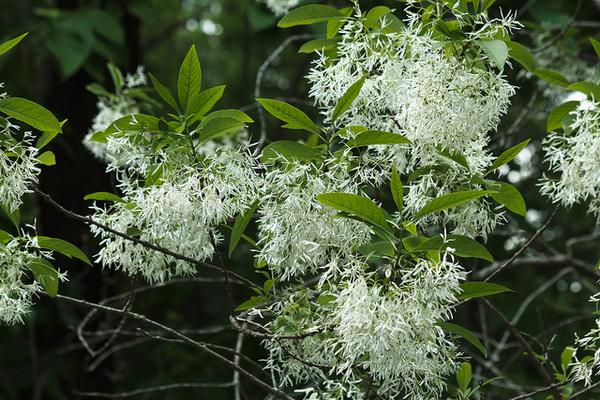
Also called Grancy Graybeard. Blooms May to June in NC with masses of delicate white fringe-like flowers. Plants are dioecious, and female individuals produce small blue-black fruits in fall. Slow-growing but long-lived. Native to the coastal plain and piedmont.
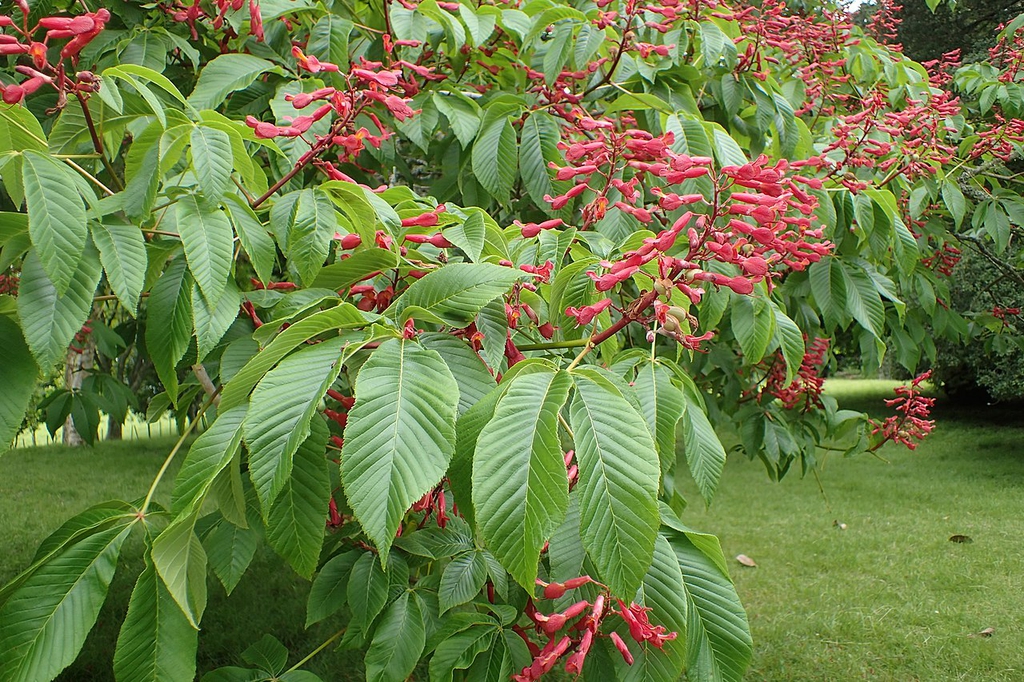
A small tree or large shrub with bright red tubular flowers in April. Timed perfectly for Ruby-throated Hummingbirds arriving on spring migration. Also visited by bumblebees. Tolerates part shade and moist conditions. Goes summer-dormant after fruiting, which surprises new gardeners but is completely normal for this species.
Where to Source Native Trees
Box stores occasionally carry Redbud and Dogwood, but selection is limited and provenance is often unknown. For the best results, buy from a native plant nursery that sources regionally. Local provenance matters, especially in the coastal plain. A Redbud grown from seed collected in the Midwest may not be as well adapted to NC's heat and humidity as one from a locally sourced plant.
NC has several strong native plant nurseries, and many botanic gardens and arboreta host spring plant sales. If you're in the Wilmington area, the NHC Arboretum and Cape Fear Botanical Garden both offer native plants seasonally. NC Botanical Garden at UNC Chapel Hill is worth the trip if you're in the Triangle and want a wider selection.