


A plant is rooted in place its entire life. Its seeds are not. Every native plant in North Carolina has a strategy for moving seeds away from the parent -- sometimes a few feet, sometimes miles. Those strategies shaped the forests, wetlands, and meadows of the coastal plain long before people started planting anything.
Here are five NC native species with dispersal strategies worth knowing, especially if you are building a native landscape or just curious about what is happening outside your window right now.
Carried by Birds
The most efficient seed movers in NC are birds. Fall-fruiting native trees produce drupes timed to fuel migration. Seeds pass through digestive tracts intact and get deposited far from the parent plant, often with a bit of fertilizer. The relationship is not coincidence -- these plants evolved their fruit around the birds.
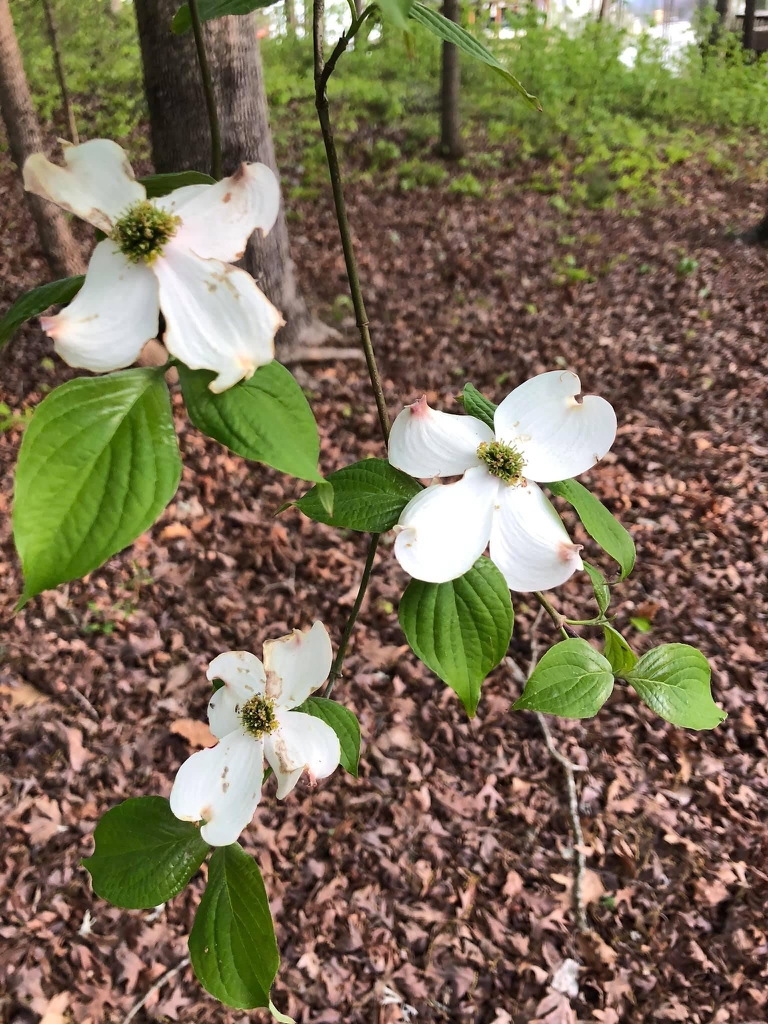
Flowering Dogwood produces tight clusters of bright red drupes in September and October. The fruit is high in fat and calcium, making it a critical food source for dozens of bird species. American Robins, Eastern Bluebirds, Cedar Waxwings, and Wood Thrushes move seeds well beyond the parent tree during fall migration.
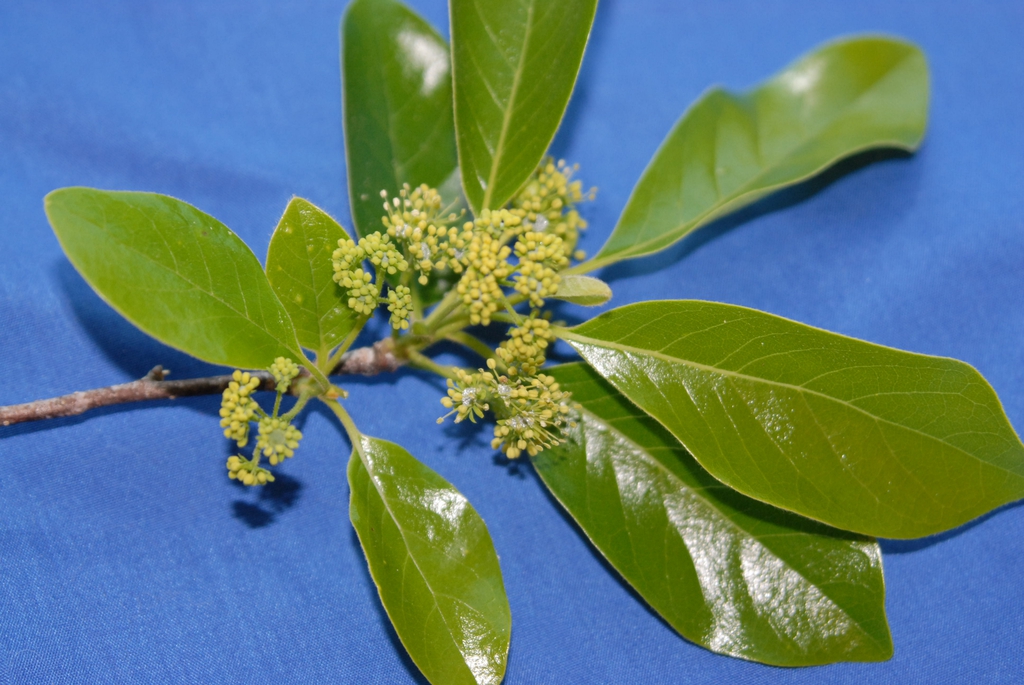
Black Tupelo fruit has one of the highest fat contents of any native tree drupe. It ripens in late September, right as fall migration peaks. The small blue-black fruits attract migrating songbirds moving through the coastal plain, and the seeds germinate readily after passing through a bird's digestive tract.
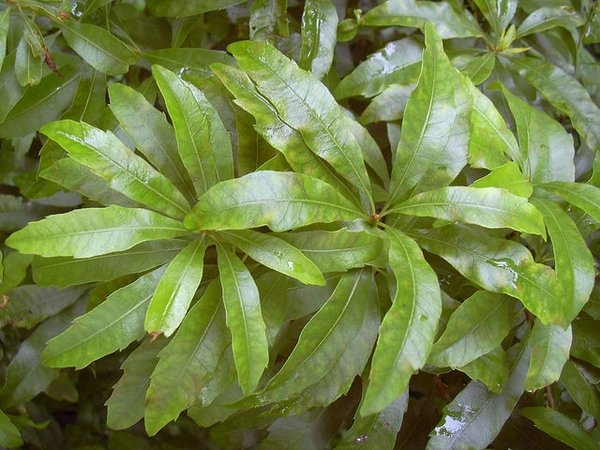
Wax Myrtle berries are coated in a waxy bloom that most birds cannot digest. Yellow-rumped Warblers have a specialized gut that breaks down the wax, making them one of the few songbirds that overwinter in coastal NC rather than moving farther south. They spread Wax Myrtle seeds across the coastal plain all winter long.
Carried by Wind
Wind dispersal requires a lightweight seed with some structure to keep it airborne. Two NC natives approach this very differently: one with a spiny seed ball, one with a bristled cap smaller than a pencil eraser.
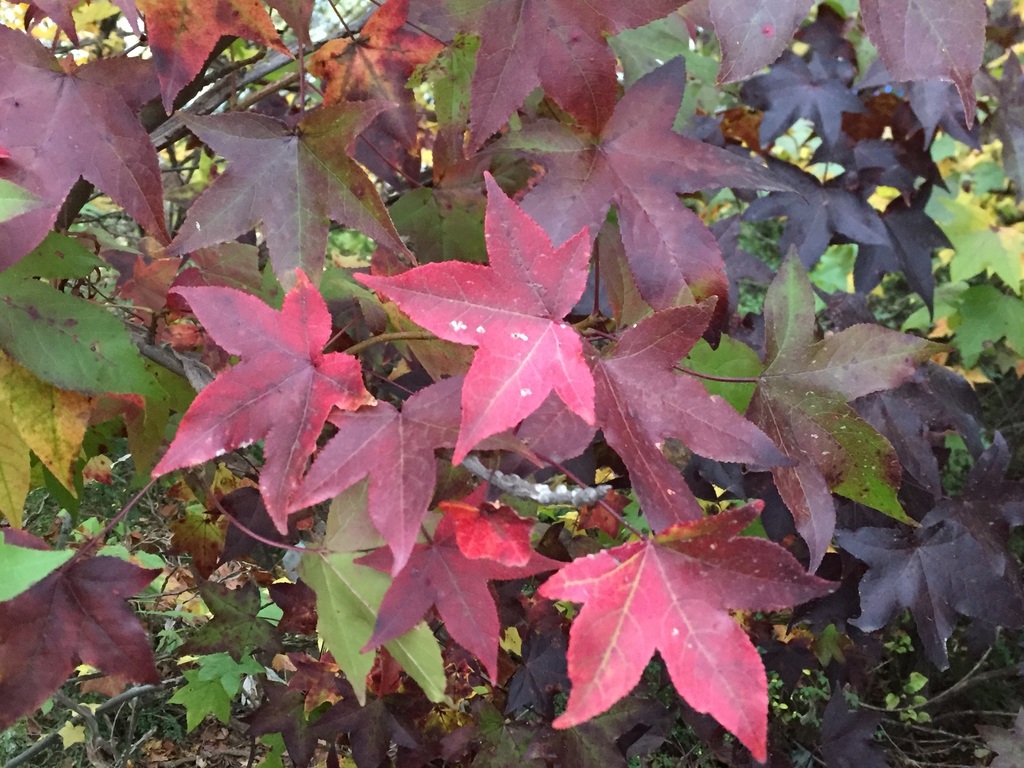
The spiny balls Sweetgum drops each fall are compound fruits, not seed pods. Each capsule inside opens to release one or two seeds with a small papery wing. The wing slows descent and lets wind carry seeds short distances from the parent tree. A mature Sweetgum can release thousands of seeds in a single season.
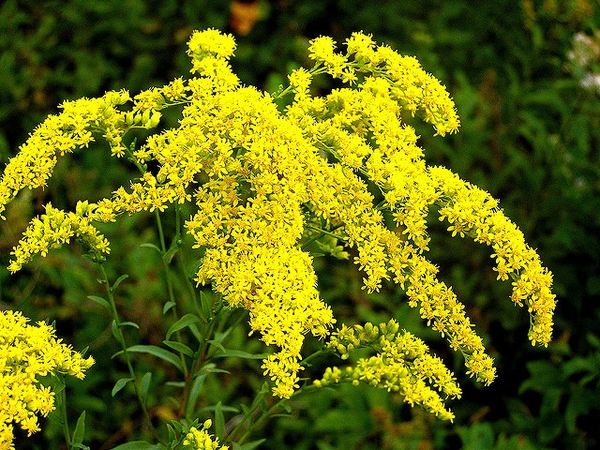
Goldenrod produces hundreds of tiny achenes, each topped with a tuft of white bristles called a pappus. The bristles act as a parachute, keeping the seed airborne long enough to drift well past the parent plant. Late fall winds carry seeds across open fields and disturbed ground where Goldenrod colonizes quickly.
Carried by Water
In the NC coastal plain, water is everywhere. Tidal swamps, blackwater rivers, and seasonally flooded bottomlands connect large stretches of habitat. A seed that floats can travel that entire network.
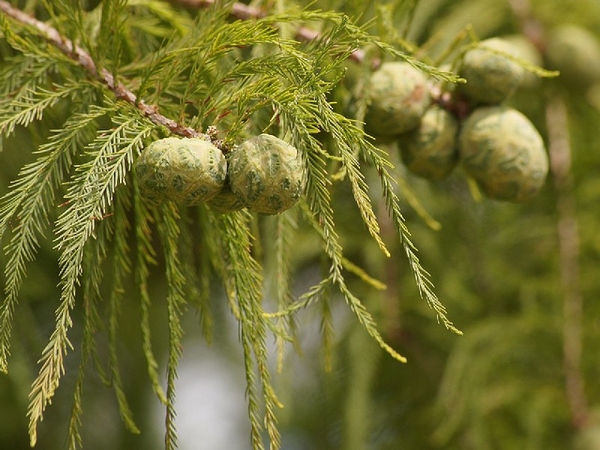
Bald Cypress (Taxodium distichum) seeds float. When cones disintegrate in late fall, seeds drop into swamp water and drift downstream or across flooded bottomlands. Seedlings need exposed, moist mineral soil to establish -- conditions that appear naturally after a flood recedes. The tree's reproductive cycle depends on that pattern of flooding and drawdown. In floodplain systems that have been altered by dams or channelization, cypress regeneration suffers because the water timing no longer matches.
Buried by Animals
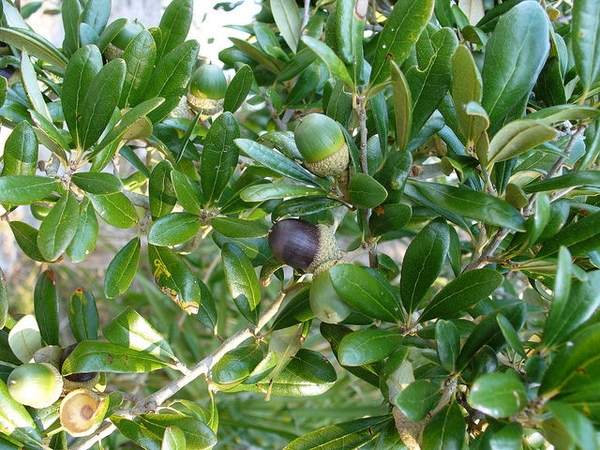
Some seeds do not travel far at all. They get buried. Blue Jays and squirrels cache acorns against winter food shortages and do not always return for every one. The forgotten caches become trees.
What This Means for Your Garden
Native plants do not need you to scatter their seeds. Given the right conditions, they have their own systems. What they need is connected habitat -- enough green space that birds have somewhere to land, water to carry seeds to new ground, and jays and squirrels to do their work across the neighborhood.
Planting a diversity of NC natives builds that network. The Flowering Dogwood draws the birds. The Live Oak feeds the jays. The Wax Myrtle holds the Yellow-rumped Warblers through winter. Over time, the landscape does much of the work itself.