

Native plants evolved in open ground, not in boxes. But a raised bed can work well for them as long as you choose the right species and resist the urge to over-amend. Native perennials are built for lean, well-drained soil. Give them that, and most return year after year with almost no input from you.
This guide walks through the planning decisions that matter before anything goes in the ground, then introduces five native species that carry a bed from early spring through winter.
Plan Before You Plant
The most important decisions happen before a single seed goes in the ground.
Depth matters. Most native perennials have deep taproots. Build or source a bed that gives you at least 12 inches of soil depth. Eighteen inches is better for structural species like Wild Indigo (Baptisia australis) that reach down hard in their first few years of establishment.
Keep the bed no wider than 3 to 4 feet. You should be able to reach the center from either side without stepping in. Walking through a native planting compacts the soil and disrupts roots. Length is flexible. A 4-by-8-foot bed is manageable for a first season and large enough to create real plant community dynamics.
For the soil mix, prioritize drainage above everything else. A blend of topsoil, compost, and coarse sand or perlite works well. Hold off on fertilizer. Native plants evolved in lower-nutrient conditions, and heavy amendments push plants toward floppy growth and reduced flowering. A modest compost addition at planting is enough.
Site the bed where it gets at least six hours of direct sun. Most native prairie and meadow species need full sun to bloom well and resist disease. Partial shade favors a different plant palette entirely.
Start with a Structural Anchor
Every raised bed needs at least one long-lived, substantial plant that defines its scale and carries visual weight from spring onward. Wild Indigo (Baptisia australis) fills that role better than almost anything else for coastal plain gardens.
It blooms in dense blue-purple spikes in April and May, then builds into a shrub-like mound through summer. The inflated seed pods rattle in fall wind and persist into winter. Give it full sun and room to spread. Year one looks modest. By year three, it anchors the back of the bed. It is also a legume, which means it fixes atmospheric nitrogen into the soil, improving conditions for surrounding plants over time.
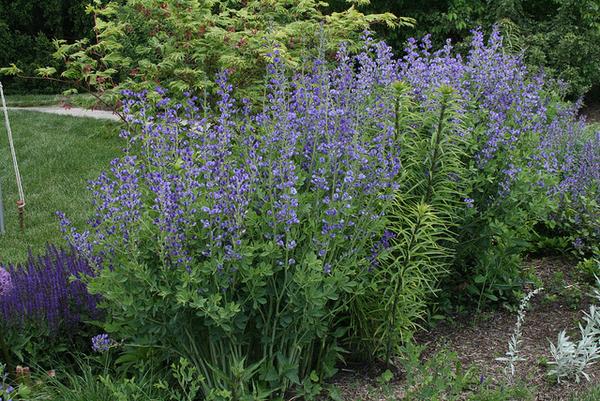
A nitrogen-fixing native legume with spring bloom spikes and a shrub-like summer form. Long-lived and nearly maintenance-free once established. Place it at the back or center of the bed where it can reach full size.
The Mid-Layer: Summer Bloomers
Fill space between structural plants with species that peak from June through September.
The mid-layer does most of the work for pollinators through the warmest months. Black-Eyed Susan (Rudbeckia hirta) blooms heavily in its first full season, is easy to start from seed or transplant, and self-seeds freely to fill gaps. Wild Bergamot (Monarda fistulosa) attracts bumblebees, sweat bees, and hummingbirds through June and July, and its dried seed heads feed goldfinches through fall. Both stay between 18 and 30 inches, so they fit the middle zone of a bed without shading the plants behind them.
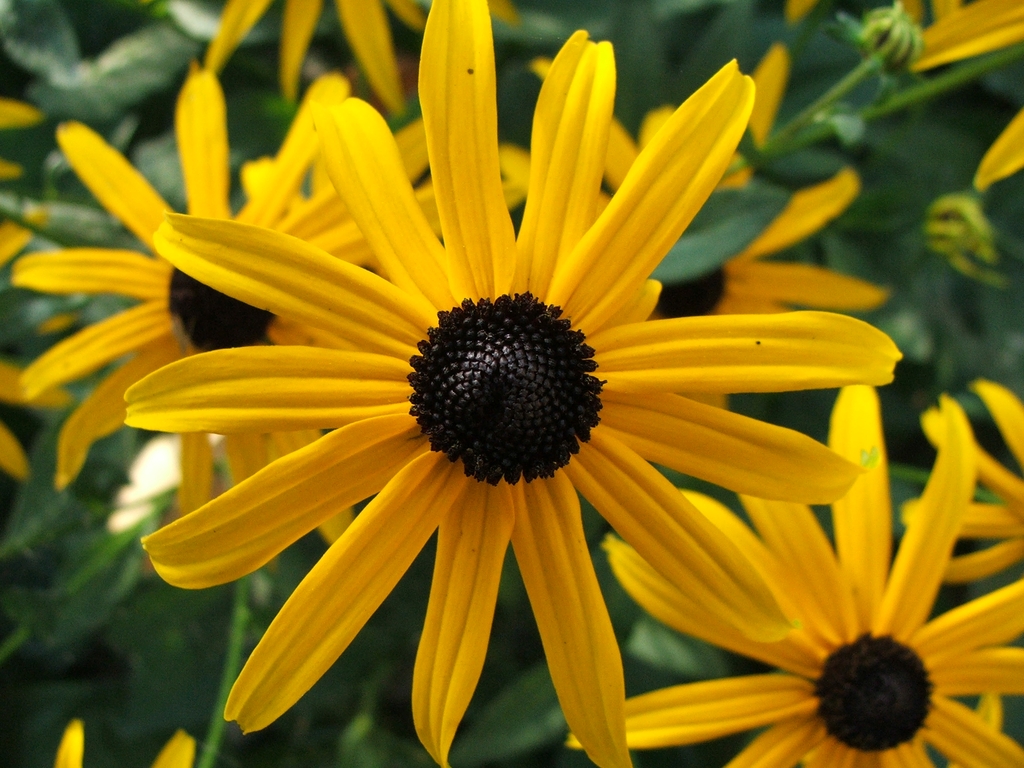
A summer workhorse that attracts native bees and butterflies from June through August. Works as a biennial or short-lived perennial and self-seeds freely to fill bare patches.
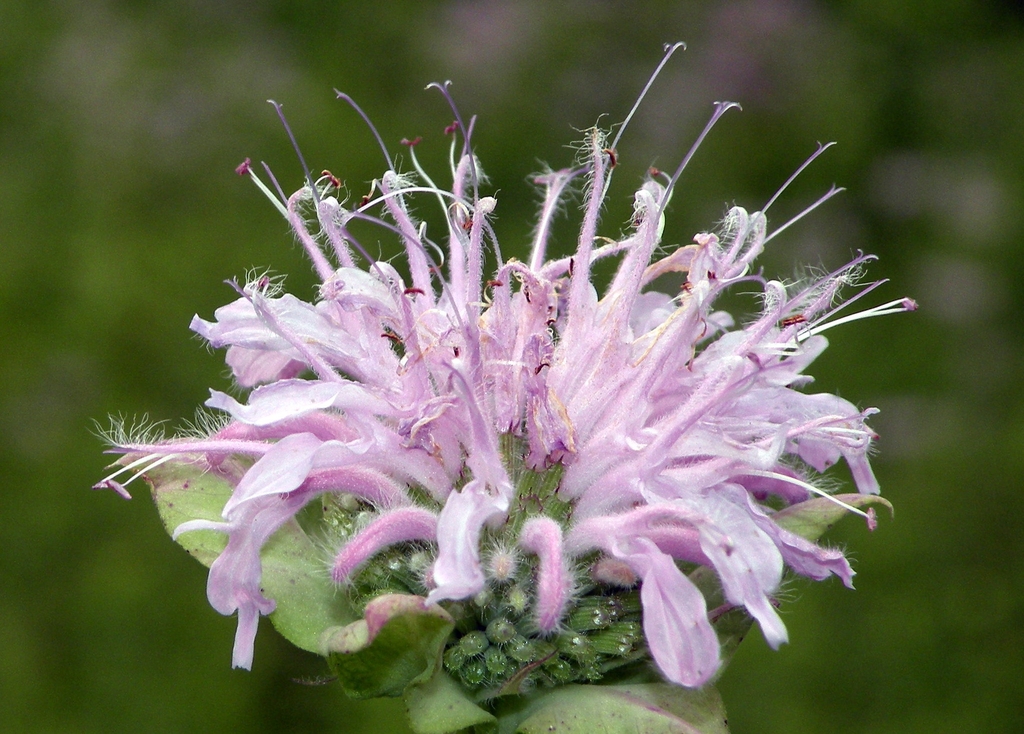
Lavender-pink flower clusters from June through August. Attracts bumblebees, hummingbirds, and specialist bees. Spreads by rhizome over time, so plant where it has room to expand or divide it every two to three years.
Close Out the Season: Fall Bloomers and Grasses
Most native pollinators need late-season food to build fat reserves before winter. A bed that stops blooming in August leaves them without resources exactly when they need them most.
Goldenrod (Solidago spp.) is the most important late-summer plant in the eastern US for native bees. It supports over 100 specialist bee species and provides dense nectar and pollen before the aster bloom takes over in September. Native asters (Symphyotrichum spp.) carry the bed into October and are a critical food source for fall-migrating monarchs and bumblebee queens building their final reserves before diapause.
Little Bluestem (Schizachyrium scoparium) adds structure and holds the bed together visually through winter. Its copper-orange fall color is some of the best you will find in a coastal plain garden. The feathery seed heads persist for months and shelter small invertebrates through cold snaps. Plant it at the sunny edges of the bed where it can catch full light and good airflow.
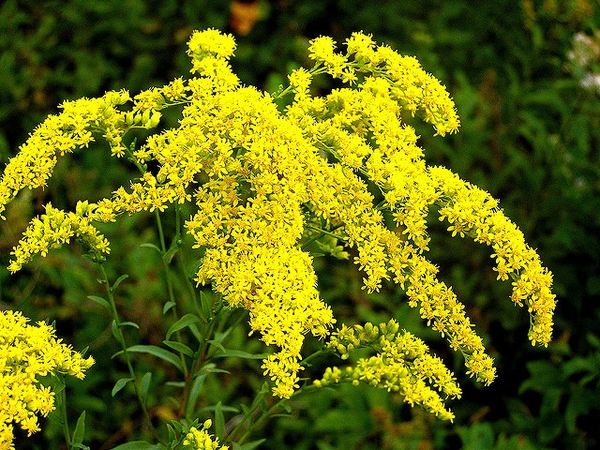
A keystone late-summer bloomer supporting over 100 specialist bee species in the eastern US. Not responsible for hay fever, which is caused by ragweed pollen that moves at the same time.
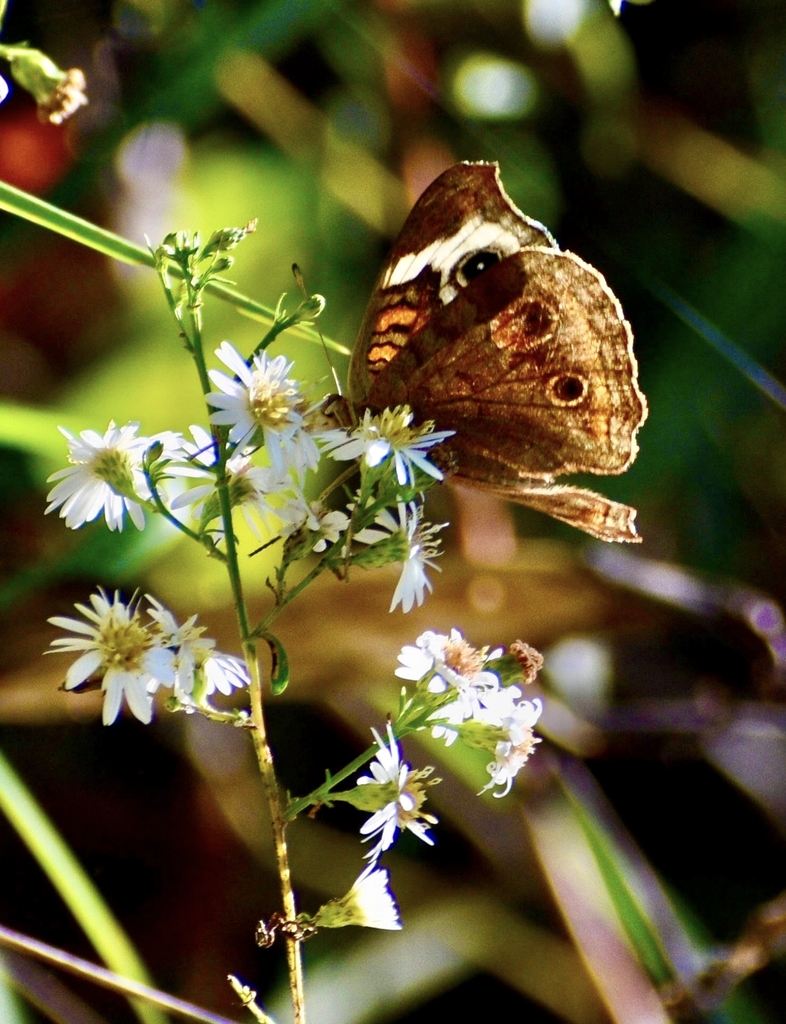
Daisy-like flowers from September through October. Critical for fall-migrating monarchs and for native bumblebee queens building reserves before winter diapause.
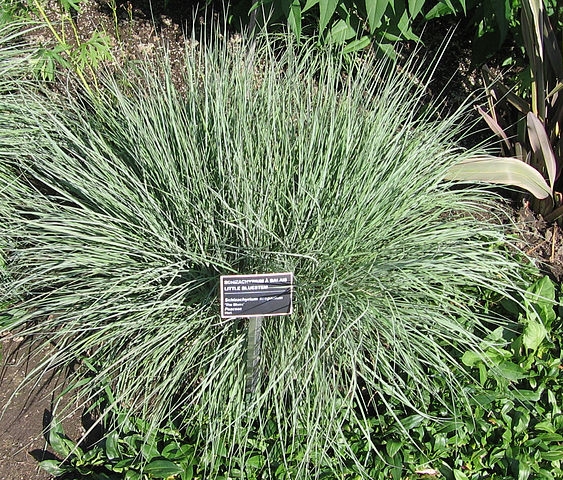
A warm-season bunchgrass with copper-orange fall color and persistent winter seed heads. Drought tolerant once established. Plant at bed edges where it gets maximum sun and airflow.
The Quarterly Seed Subscription Box is a companion-planted seed kit built for Zones 7b through 9b, delivered each quarter with a layout card, science card, and planting guide. It is exactly the kind of resource that makes planning a bed like this more approachable. The waitlist is open now for the July 2026 launch.