


Liriope and Mondo grass show up in almost every NC yard. They're evergreen, low-maintenance, and easy to find at any garden center. They're also non-native, and they offer almost nothing to the insects and birds that live alongside them. Native grasses and sedges can do the same design work — edging, mass planting, shade coverage — while feeding the wildlife that actually evolved here.
North Carolina has native grasses and sedges suited to nearly every landscape condition: full sun coastal sites, shaded woodland edges, rain gardens, and everything in between. Most are tougher than the plants they'd replace.
What Native Grasses Do That Ornamentals Cannot
The difference isn't just aesthetic. Native grasses and sedges are host plants for a long list of native insects. Little Bluestem supports numerous species of Lepidoptera larvae in North Carolina. Switchgrass hosts skipper butterflies and several moth species. Native Carex sedges support wood nymphs, satyrs, and moths that depend on native grass foliage to complete their life cycle.
Winter seed heads matter too. Sparrows, chickadees, and finches forage in dried grass clumps through winter. Native grass seeds are exactly what birds here evolved to eat. Liriope berries, by contrast, are considered mildly toxic to some wildlife.
Root depth is a third factor. Many native grasses develop roots three to five times deeper than turfgrass or liriope. Those deep roots build soil structure, pull carbon down, and help yards handle the drought-flood cycles increasingly common in coastal NC.
The Coastal Plain's Standout Native Grass
Pink Muhly Grass (Muhlenbergia capillaris) grows natively across the NC coastal plain and Piedmont. In September and October it produces a cloud of deep pink-purple seed heads that stop people in their tracks. It handles heat, humidity, and sandy soil without complaint — exactly the conditions that stress many ornamental grasses.
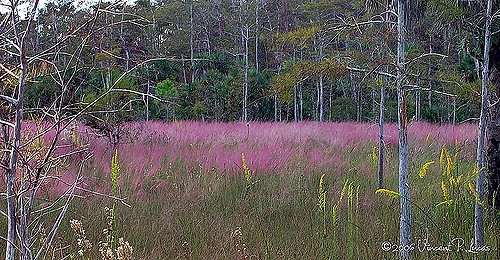
A coastal plain native known for its spectacular fall bloom. Grows 3 feet tall in full sun. Tolerates sandy and clay soils. Cut back in late winter before new growth emerges. Seed heads feed small birds through winter.
More Native Grasses and Sedges Worth Planting
From open sun borders to shaded woodland edges, these species cover most landscape scenarios in NC.
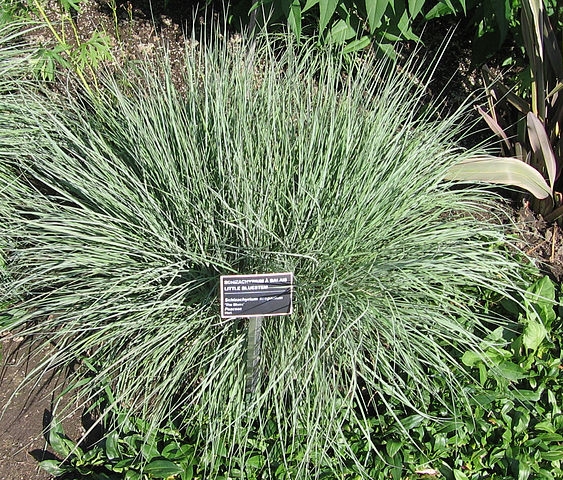
Blue-green through summer, copper-orange in fall. A documented host plant for many native Lepidoptera. Thrives in lean, dry soil and performs poorly in rich, moist conditions. Full to part sun. One of the most wildlife-valuable grasses in the Southeast.
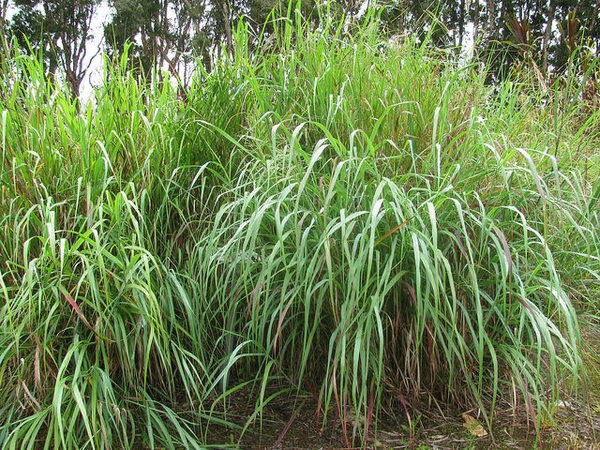
Handles both wet and dry conditions — native to NC prairies, bottomlands, and coastal marshes. Upright form makes it useful as a screen or backdrop. Seeds attract finches and sparrows from fall through spring. A direct native alternative to ornamental Miscanthus.
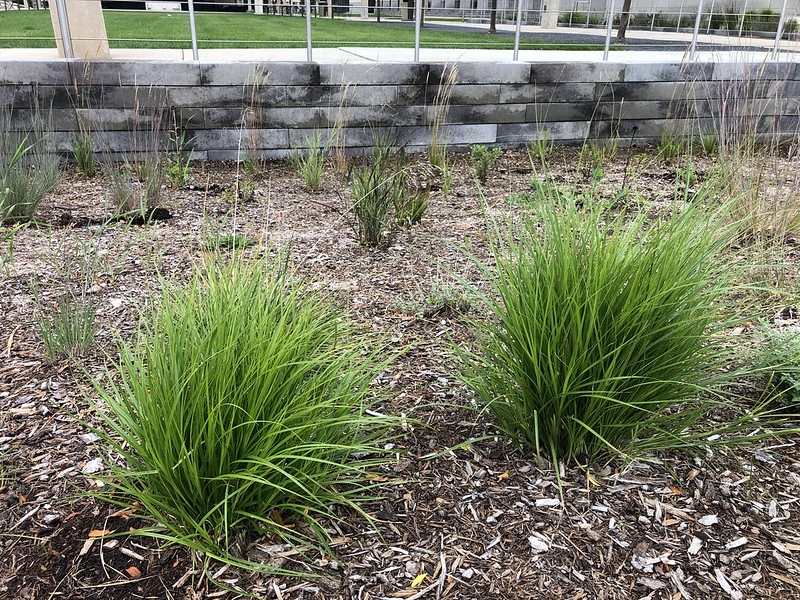
The best replacement for liriope and mondo grass in shaded areas. Several NC-native Carex species form low, tidy mats in part to full shade and remain semi-evergreen in coastal NC winters. Host plants for multiple native moth and butterfly larvae. Look for species native to your specific region.
A shade-tolerant native grass with distinctive flattened seed heads that rattle in the wind. Self-seeds in favorable conditions. Excellent under deciduous trees where turfgrass fails. Seeds are eaten by sparrows and other ground-feeding birds through winter.
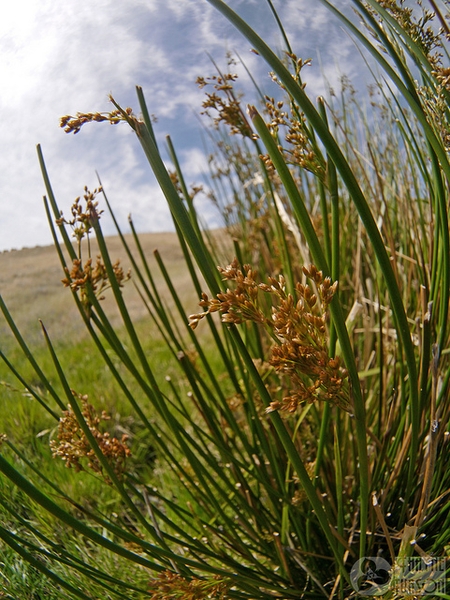
For rain gardens, wet low spots, and pond edges. Grows in standing water or consistently moist soil. The dense clumps provide cover for frogs and small invertebrates. Cylindrical stems stay green through most of the NC winter. Handles conditions where few other plants work.
What These Plants Replace
Liriope (Liriope muscari and L. spicata) and Mondo grass (Ophiopogon japonicus) are the default low-maintenance groundcovers in most NC landscapes. Neither is native to this region. Both are evergreen and tidy, which is why they're everywhere. But their ecological value is essentially zero — no native NC insects use them as host plants.
Native Carex sedges handle the same design role in shade. Pink Muhly Grass and Little Bluestem fill sun corridors and garden borders. River Oats work under trees where almost nothing else will grow. The swap isn't complicated. Within a single growing season, the difference in insect and bird activity in your yard becomes noticeable.
Ornamental grasses like Miscanthus are a separate concern. Several Miscanthus species and cultivars have naturalized in parts of the Southeast and are documented spreading into disturbed areas. Switchgrass delivers the same tall, architectural presence — and it belongs here.