

English ivy and Nandina show up in almost every older NC landscape. They are easy to find at any garden center, they grow without much attention, and they hold their shape for a season or two. The problem is what happens next. Both spread aggressively beyond the yard, out-competing native plants in woodland edges and natural areas. Both offer almost nothing to the insects, birds, and pollinators that depend on native plants to survive.
Replacing them is straightforward. There are NC natives that fill the same visual roles — low-growing groundcovers, dense evergreen shrubs — and do the work of supporting a living landscape at the same time.
Why These Two Plants Matter
English ivy (Hedera helix) is not just a fast spreader. Its dense mats smother the forest floor, prevent native seedlings from germinating, and add weight to tree trunks that eventually causes canopy dieback. It is listed as invasive across much of the Southeast, including North Carolina. Once it establishes in a natural area, removal is difficult and slow.
Nandina (Nandina domestica), sometimes called heavenly bamboo, is a fixture in foundation plantings across the state. The red berries look attractive and birds do eat them — but those berries contain cyanogenic compounds. There are documented cases of Cedar Waxwings dying after feeding heavily on Nandina fruit in winter. The plant also spreads readily from bird-dispersed seed into disturbed edges and natural areas.
Both are still sold and widely planted. Choosing a native alternative is one of the most concrete replacements a homeowner or landscaper can make.
Native Groundcovers to Replace English Ivy
Low-growing, spreading, and genuinely supportive of local wildlife
English ivy gets planted because people want something that spreads, stays green, and tolerates shade without much upkeep. Native groundcovers can do all of that. Several of them bloom. Some support specialist bees with no other forage option. All of them support the food web in ways an exotic groundcover cannot.
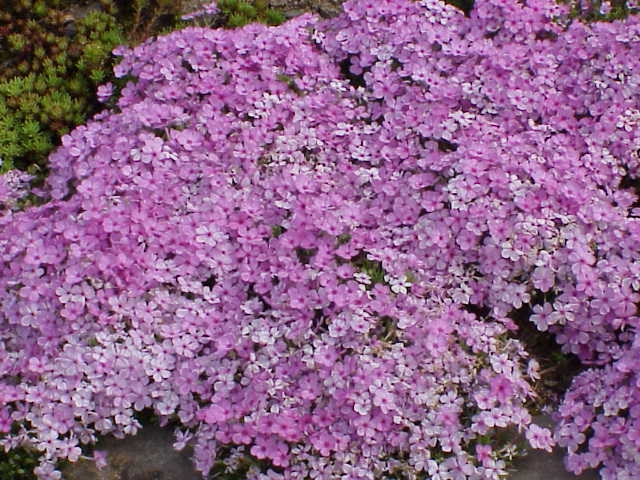
Wild Blue Phlox spreads by creeping stems to form a low mat of semi-evergreen foliage. It blooms in mid-spring with fragrant blue-lavender flowers that draw long-tongued bees, sphinx moths, and butterflies. It grows well in dappled shade — exactly where English ivy tends to take hold. Cut it back after flowering and it stays tidy through the season.
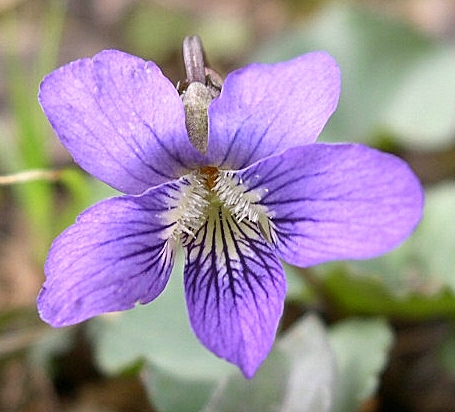
Dense, low-growing, and one of the only host plants for several fritillary butterfly species in NC. Tolerates shade, poor soils, and foot traffic edges. Spreads by seed to form a loose colony. A lawn full of violets is an ecological asset, not a weed problem.
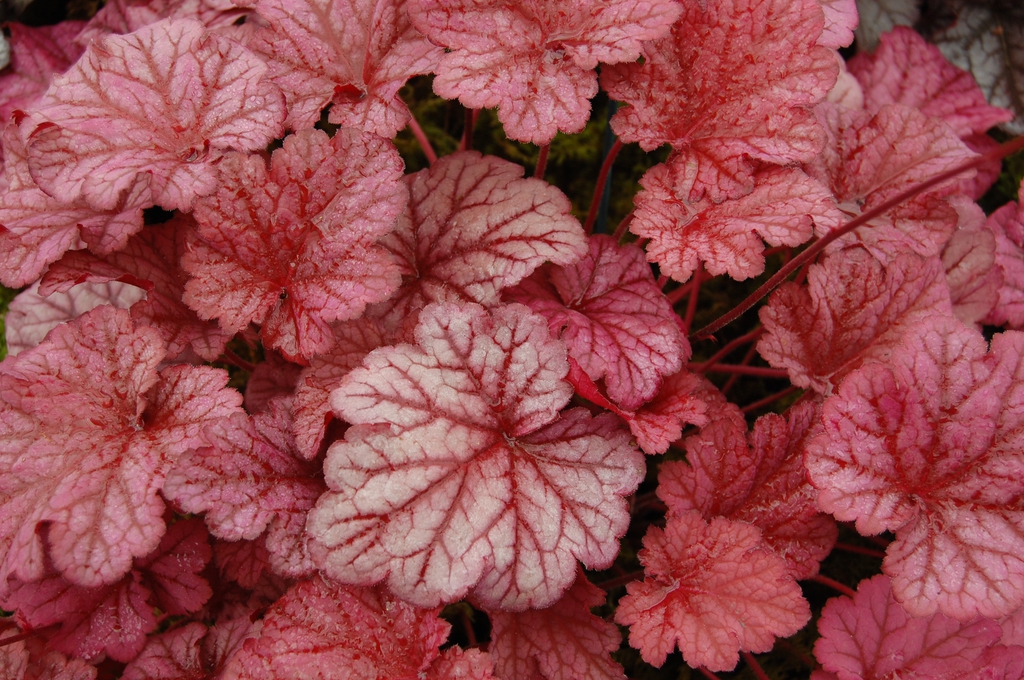
The species that most cultivated coral bells are bred from, and the native version holds its own in a shady border. Forms a low rosette of mottled foliage that persists through mild NC winters. Does well in dry to average shade — a good option under established trees where ivy often gets a foothold.
One of the best true groundcovers in the native plant palette. Small yellow flowers bloom from spring into early summer. Low and spreading, tolerates part shade and moderate drought once established. Native to the Southeast including NC's piedmont and parts of the coastal plain.
Native Shrubs to Replace Nandina
Evergreen and semi-evergreen options with real wildlife value
Nandina earns its spot in conventional landscapes because it stays green through winter, holds a compact shape without heavy pruning, and offers seasonal color from white flowers to red berries. Native shrubs can match that and do more. Several NC natives give you multi-season interest, genuine bird habitat, and berries that won't harm the Cedar Waxwings eating them.
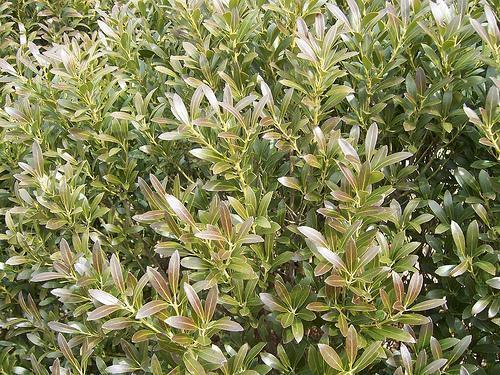
Inkberry is one of the most underused native shrubs in NC coastal plain gardens. Fully evergreen, it grows to 6–8 feet and tolerates wet, poorly drained soils that other shrubs struggle with. Small black berries persist through winter and are eaten by a wide range of birds. A direct functional replacement for Nandina at a similar size and form, with genuine ecological value behind it.
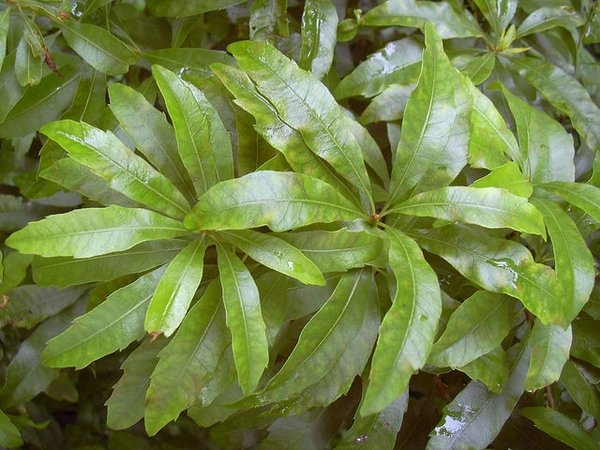
Fast-growing and evergreen, with small waxy blue-gray berries that Yellow-Rumped Warblers and Tree Swallows rely on during migration and winter. Tolerates salt spray, poor soil, and wet conditions. Common across the NC coastal plain and adaptable to a wide range of sites.
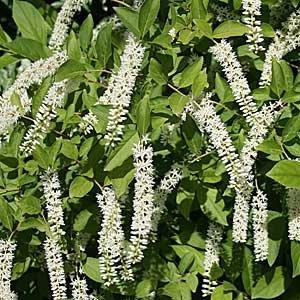
White flower racemes in early summer, then fall color that ranges from red to deep purple. Spreads slowly by suckers to form a colony. Does well in wet to average soils and part shade. A deciduous option with more seasonal interest than Nandina provides.
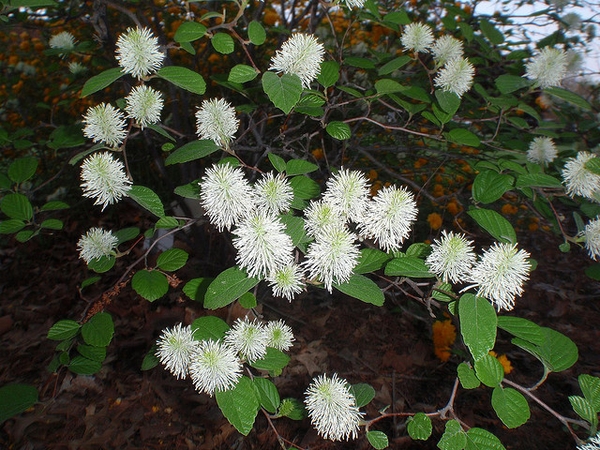
White bottlebrush flowers in early spring before the leaves open, followed by exceptional fall foliage in orange, red, and yellow. Compact — usually 2–4 feet — which makes it right for foundation plantings where Nandina typically gets placed. Native to the coastal plain pocosins of NC.