

Most butterfly gardens are planted for nectar. Coneflowers, bee balm, and native asters draw adult butterflies reliably. That matters. But the plants that actually sustain butterfly populations are the ones caterpillars can eat.
Butterfly caterpillars are specialists. Most species survive on one plant family, sometimes a single genus. Plant nectar flowers and adults may visit. Skip the host plants and they cannot reproduce there. These five NC natives cover the host plant side of the equation.
Host Plants vs. Nectar Plants
Adult butterflies visit many flowers for nectar. They are opportunistic about that. But when it comes time to lay eggs, female butterflies get specific. They search for the exact plant their caterpillars can digest. They will not lay on a close relative. They will not improvise.
This means a butterfly species can only sustain a local population if its host plant is growing somewhere nearby. No host plant, no caterpillars, no breeding. Nectar flowers matter for passing adults. Host plants are what keep butterflies reproducing in a yard and in a county.
Milkweed and the Monarch
Monarch butterflies (Danaus plexippus) are the most well-known example of a butterfly bound to one host plant. Monarch caterpillars eat milkweed leaves exclusively. Plants in the genus Asclepias produce cardiac glycosides, compounds that are toxic to most insects. Monarchs have evolved to tolerate and sequester those compounds, which makes adult monarchs unpalatable to most predators.
Several milkweed species are native to North Carolina and grow well in coastal plain conditions. Butterfly weed (Asclepias tuberosa) handles dry, sandy soil and blooms orange in late spring. Swamp milkweed (Asclepias incarnata) grows in wet edges and rain gardens. Both fulfill the host plant relationship monarchs need without the complications that come with tropical milkweed.
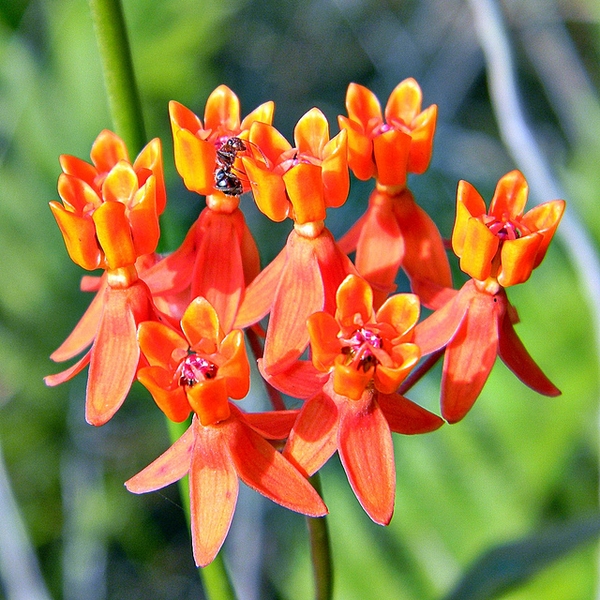
The only host plant for Monarch caterpillars. Butterfly weed (Asclepias tuberosa) grows in dry, sandy coastal plain soils and blooms orange in late spring. Swamp milkweed (Asclepias incarnata) thrives in wet edges and rain gardens. Both are native to NC.
Swallowtails Need Trees and Shrubs
Swallowtails are among the largest butterflies in NC, and most of them need woody plants for their caterpillars. A patch of annuals will not do it. Their host plants are trees and shrubs that take years to establish, which is why planting them sooner matters.
Tulip poplar (Liriodendron tulipifera) is one of the most productive caterpillar host trees in eastern North America. Eastern tiger swallowtail (Papilio glaucus) caterpillars feed on its leaves through summer. Tulip poplar also grows fast, which shortens the wait compared to most native trees.
Pawpaw (Asimina triloba) hosts the zebra swallowtail (Eurytides marcellus), one of NC's most striking butterflies. Zebra swallowtails are almost entirely dependent on pawpaw for caterpillar development. Where pawpaw grows along creek edges and in forest understory, zebra swallowtails tend to follow. The plant also produces edible fruit in late summer, which adds another reason to grow it.
Spicebush (Lindera benzoin) is the primary host plant for the spicebush swallowtail (Papilio troilus). Spicebush swallowtail caterpillars fold themselves into leaves while feeding, one of the more interesting things to find in a native planting. The shrub also blooms early in spring before most other native plants are open, giving early pollinators a food source when they need it most.
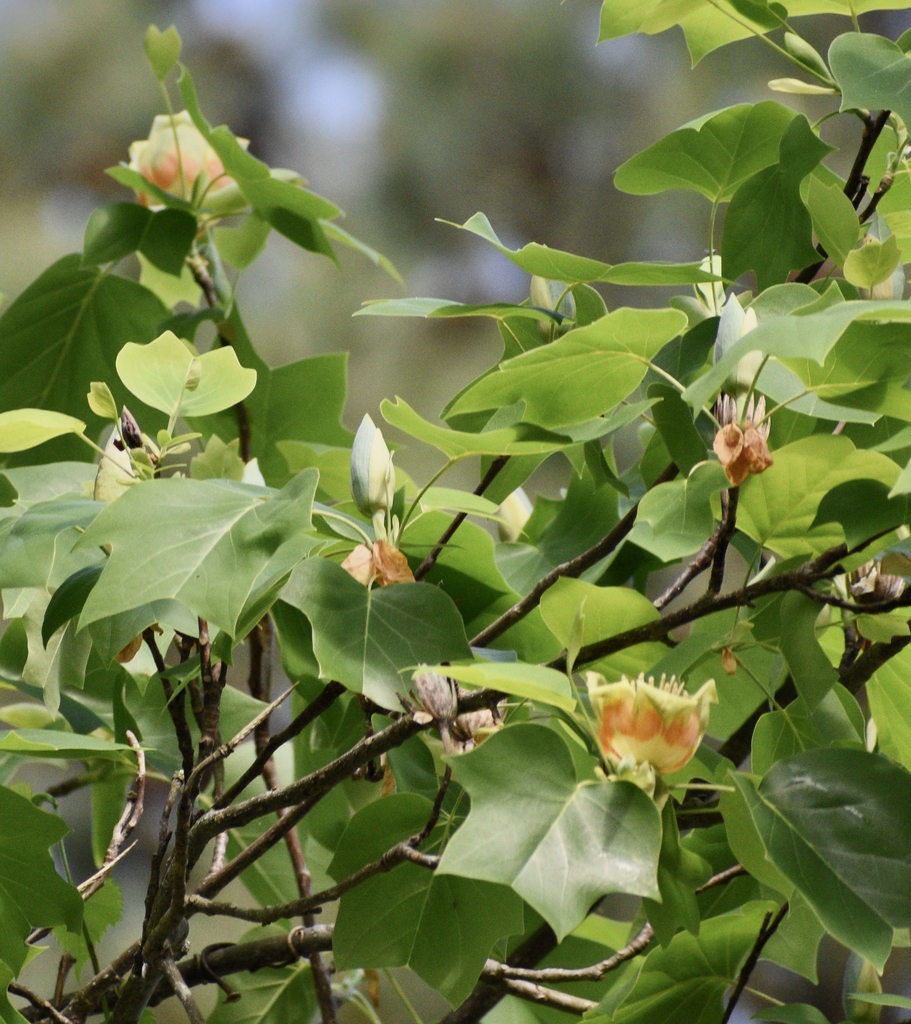
Host plant for Eastern Tiger Swallowtail caterpillars. One of the most productive trees for caterpillar biomass in eastern forests. Grows fast and provides significant nectar for bees and hummingbirds in late spring.

The primary host plant for Zebra Swallowtail caterpillars. Found along stream edges and in forest understory. Produces edible fruit in late summer. Grows best in moist, sheltered spots with some shade.
Host plant for Spicebush Swallowtail caterpillars, which shelter inside folded leaves while they feed. Blooms very early in spring before most native shrubs. Grows in part shade with consistently moist soil.
Wild Indigo for Smaller Butterflies
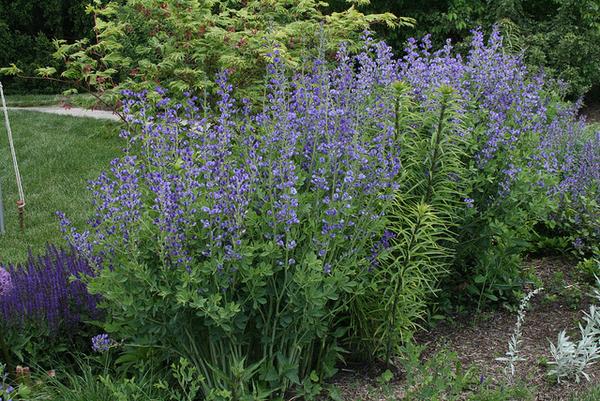
Not every host plant relationship involves a swallowtail. Wild indigo (Baptisia spp.) supports a set of smaller butterfly species that most people walk past without identifying: the wild indigo duskywing (Erynnis baptisiae), named directly for this plant; several hairstreak species; and Henry's elfin (Callophrys henrici), a small coppery-brown butterfly that flies early in spring. These are common butterflies in NC that go unnoticed because they are small and fast.
Wild indigo also fixes nitrogen. It is a legume, and its roots host nitrogen-fixing bacteria that improve soil over time. That alone makes it worth a spot in any planting.
The Monarch Butterfly and Milkweed enamel pin captures the monarch-milkweed relationship in a small, wearable piece. If you grow milkweed or spend any time watching monarchs, it is a natural fit.