


A backyard full of birds is not luck. It is a direct result of what you planted. Birds in North Carolina need food at every point in the year: spring migrants fueling up, breeding birds feeding nestlings, and winter residents surviving cold snaps. Native plants deliver that food. Non-native ornamentals mostly do not.
This list is built around species that produce berries, seeds, or the insects birds actually eat. Everything here is native to North Carolina and adapted to our climate. All of them earn their place in a yard anywhere from the piedmont to the coast.
Why Native Plants Feed More Birds
The connection is not just about berries. Research by entomologist Doug Tallamy documented that native oaks support over 500 species of caterpillars. Native cherries support more than 450. Non-native ornamentals support close to none. That matters because even seed-eating birds feed their nestlings almost exclusively on caterpillars and soft insects during the breeding season. The insect load a plant supports is as important as its fruit.
Native plants and local wildlife evolved together over thousands of years. The chemistry of native berries, the fat content, the timing, and the nutritional profile is calibrated for the birds that eat them. Wax Myrtle berries ripen at exactly the right time for Yellow-rumped Warblers moving through coastal NC in fall. That timing is not a coincidence.
The Standout: Black Tupelo
One of the most important fall-migration trees in the eastern US.
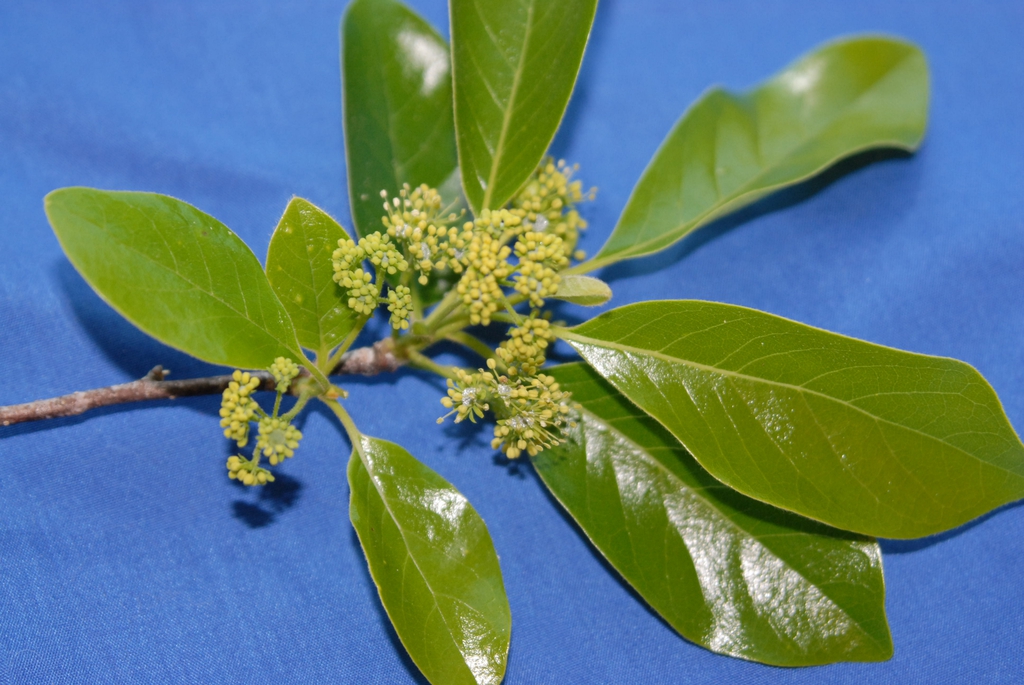
Black Tupelo (Nyssa sylvatica) produces small, dark blue-black fruits in September and October that are high in fat, exactly what migrating thrushes, warblers, vireos, and flickers need before long flights south. It is one of the most ecologically valuable trees you can plant for fall migration, and its leaves turn vivid red early in the season, often before anything else in the yard has started to change.
Early-Season Plants: Spring and Summer
Spring and early summer are when birds are most actively feeding nestlings. Serviceberry ripens in May, the earliest native fruit in the Southeast. American Elderberry follows in July and August, producing dense clusters of small berries that dozens of bird species rely on during the breeding season.
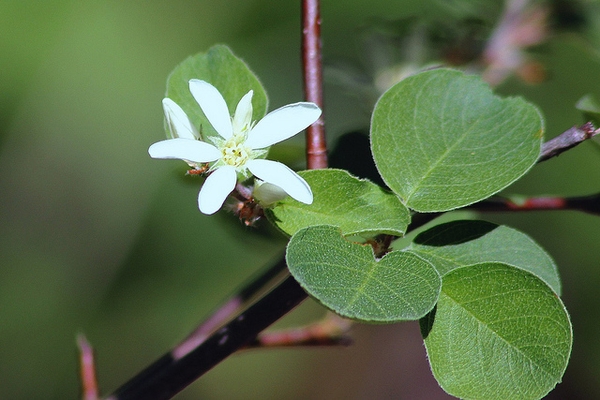
Serviceberry is the first native tree to fruit in spring. Its small sweet berries ripen in May and are eaten by over 40 bird species including bluebirds, robins, and Cedar Waxwings. It also blooms with clusters of white flowers before the leaves emerge, making it one of the most useful early-season plants in both directions: flowers for early bees, fruit for birds.
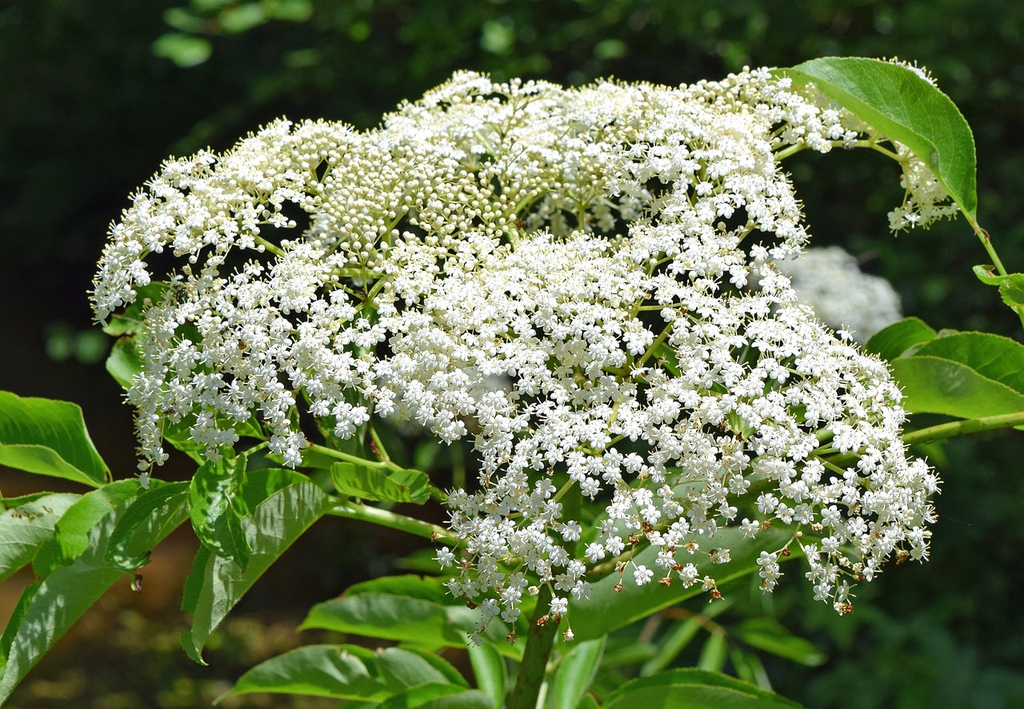
American Elderberry produces flat-topped clusters of dark purple berries in mid-summer that over 50 bird species eat, including catbirds, mockingbirds, thrashers, and woodpeckers. It grows fast, tolerates wet feet and part shade, and thrives in NC's humid coastal plain. Cut it back hard in late winter and it comes back stronger.
Fall Migration Fuel
September through November brings the largest surge of bird activity in North Carolina. Migrants moving south need high-fat food to sustain long flights. The following two plants are particularly well-suited for that window: one for migratory warblers, one for resident birds that stay through winter.
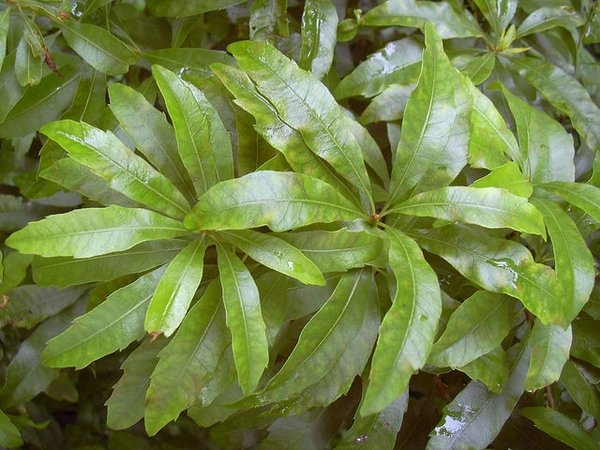
Wax Myrtle produces small waxy blue-gray berries that are consumed in large numbers by Yellow-rumped Warblers during fall migration. This plant is part of the reason Yellow-rumped Warblers can winter this far north when most warblers cannot. It grows fast, stays evergreen year-round, and tolerates both salt spray and periodic flooding along the coast.
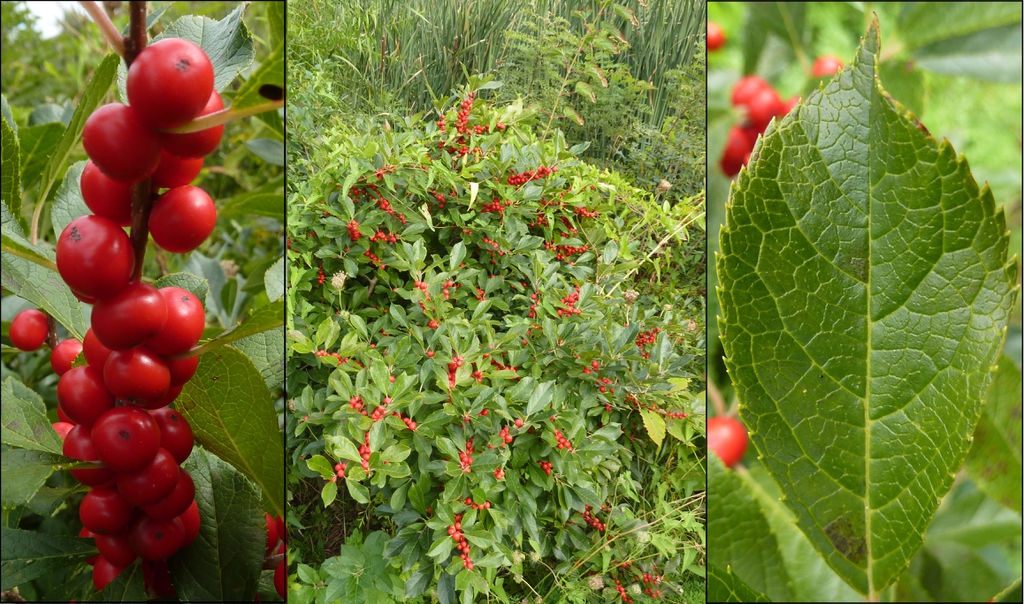
Winterberry is a deciduous holly that holds its bright red berries through winter long after the leaves drop. Birds avoid the berries until late winter when other food is exhausted, making them a genuine safety net for robins, bluebirds, and mockingbirds during cold snaps. It is dioecious, so you need both a male and a female plant to get fruit.
Seed Heads for Fall and Winter Birds
Not all bird food is fruit. Many of the sparrows, goldfinches, and chickadees that move through NC in fall and winter rely on dried seed heads. The key is resisting the impulse to deadhead or cut back your garden in autumn. Leave the stems standing. The birds will find them.
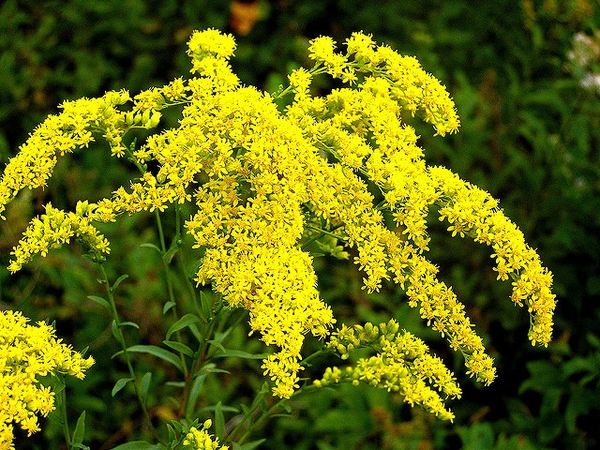
Goldenrod supports more specialist native bees than almost any other plant in the eastern US, and those insects feed birds directly during the breeding season. Its seed heads persist through winter and attract American Goldfinches, Pine Siskins, and sparrows. The dried hollow stems also provide nesting cavities for small solitary bees the following spring.
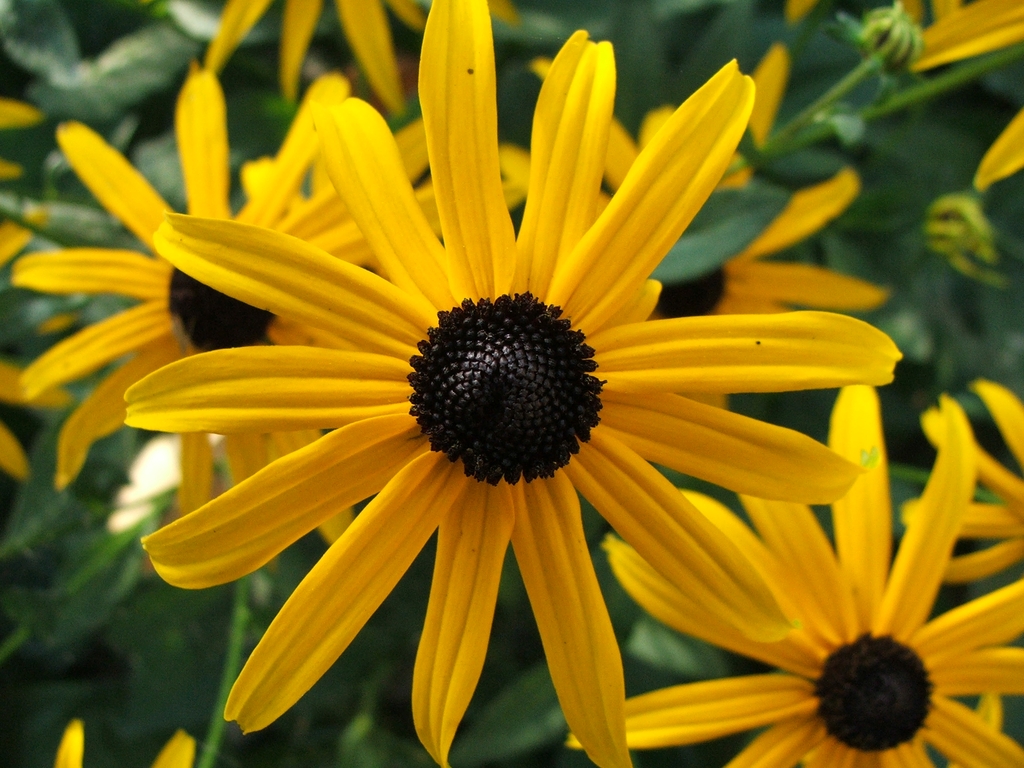
Black-Eyed Susan blooms through summer for bees and then holds its seed cones through fall and winter for birds. American Goldfinches cling to the dried stems and pull seeds directly from the cone. It reseeds freely in open sunny sites and does well in poor, dry, or sandy coastal plain soils.
One More: Flowering Dogwood
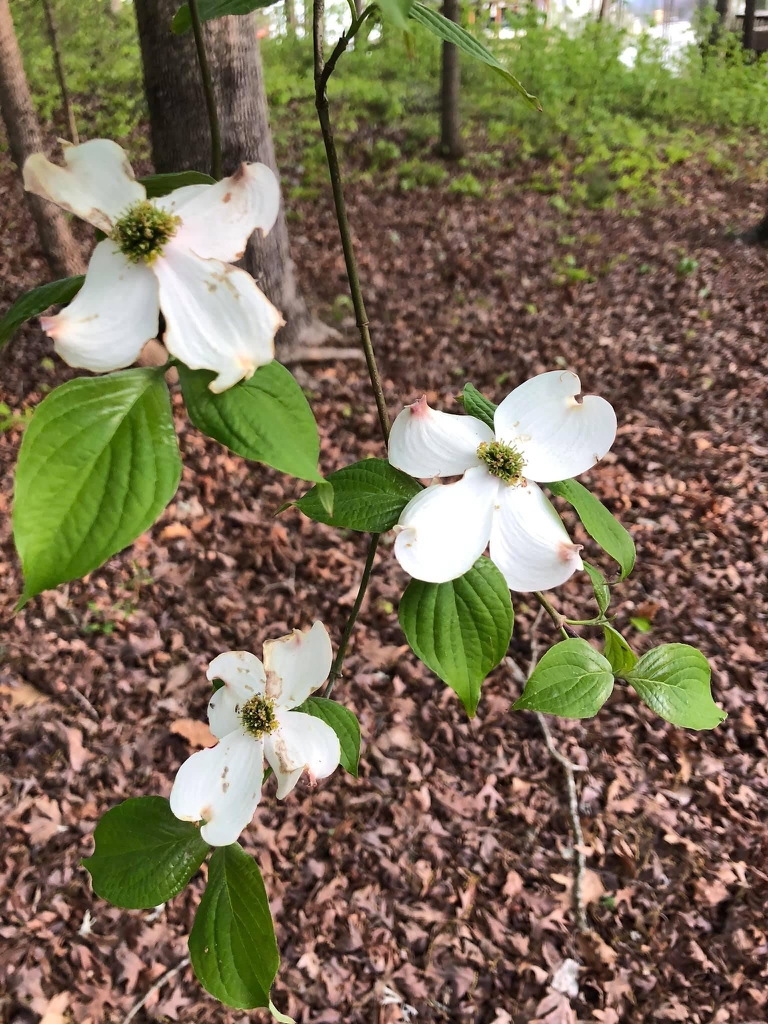
Flowering Dogwood (Cornus florida) produces clusters of small red berries in early September that ripen right at the start of fall migration. They are eaten by a large number of bird species including Wood Thrush, Veery, Red-eyed Vireo, and multiple warbler species making their way south. The calcium content of dogwood fruit is unusually high, which matters for birds building bones and replacing feathers. It also supports hundreds of species of caterpillars as a larval host, making it a top insect producer alongside oaks.
If you are starting a bird habitat from scratch, a strong foundation is Black Tupelo and Serviceberry in the canopy layer, Wax Myrtle and Elderberry in the mid-story, and Goldenrod with Black-Eyed Susan in the sunny edges. That combination produces food from May through February and supports insects through the whole growing season.