

Planting in residential and urban spaces along Coastal North Carolina comes with real challenges. Compacted soil, wind-driven salt spray, drought stress, and periodic flooding can make it difficult to establish new plants. The good news is that many native species have evolved alongside these exact conditions — and when given the chance, they thrive.
The plants in this guide were selected because they genuinely perform in coastal urban and suburban settings. They provide not just beauty and structure, but critical ecosystem services: supporting native pollinators, feeding birds, stabilizing soil, and reducing runoff.
Large Trees
The structural backbone of any coastal landscape. Select species proven to tolerate compacted soils, salt exposure, and drought — while delivering lasting wildlife value.
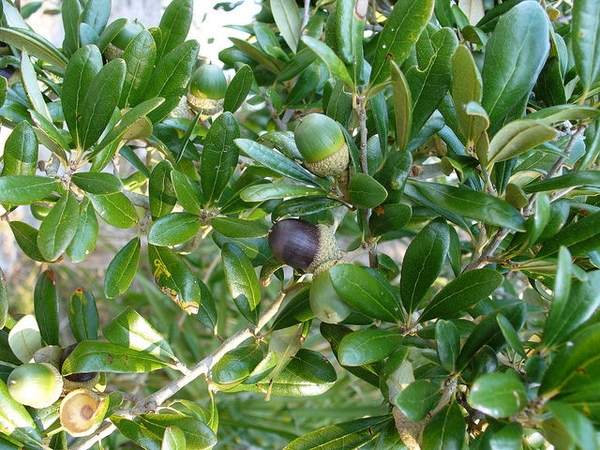
The iconic tree of the Southeastern coast — and for good reason. Live Oak reaches 40–80' with a legendary spreading canopy, is highly wind tolerant, and stays evergreen year-round. A true keystone species that supports hundreds of caterpillar species and is the backbone of coastal NC wildlife habitat. The 'Cathedral' cultivar offers a more compact footprint for smaller sites. One of the most important trees you can plant in this region.
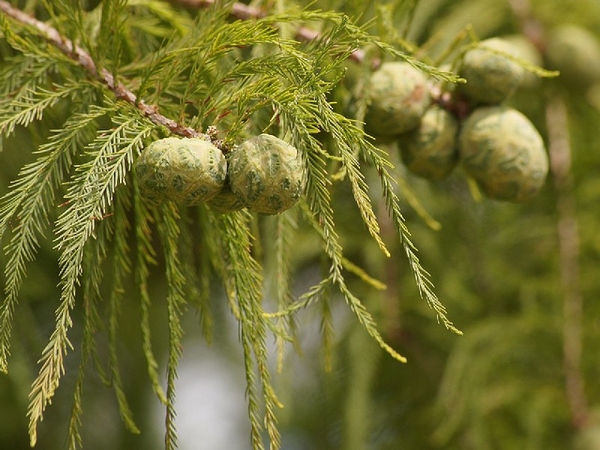
Despite its association with wetlands, Bald Cypress is remarkably drought tolerant once established. A 50–70' columnar tree that brings graceful texture to urban and suburban sites. Extremely adaptable.
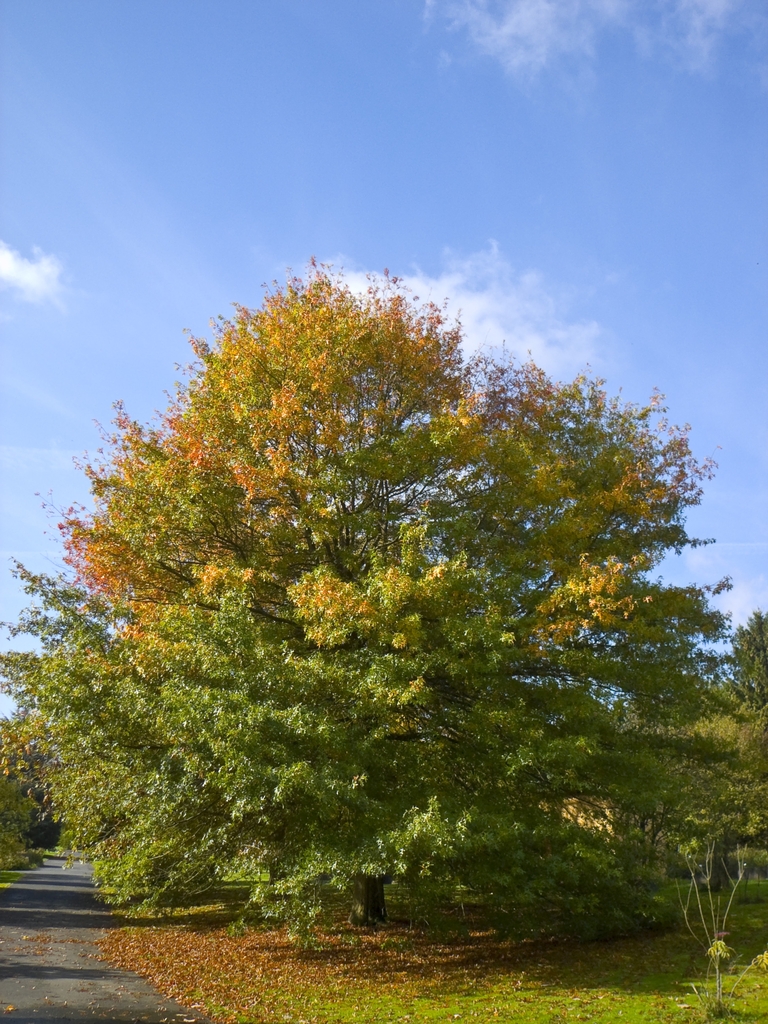
One of the most urban-adaptable oaks, tolerating heat, air pollution, and compacted soils with ease. Reaches 50–70' with an attractive oval to pyramidal form. Excellent as a street or shade tree.
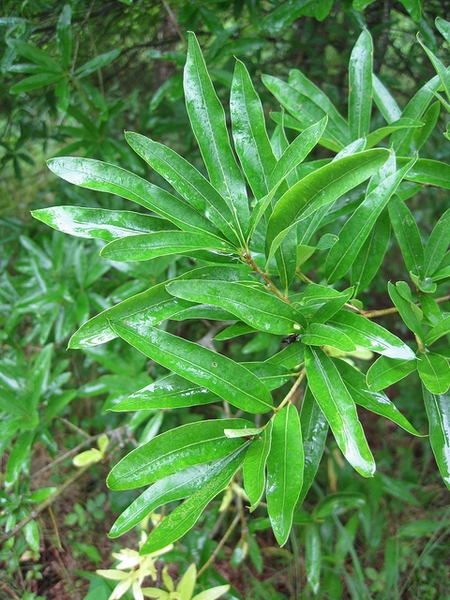
Distinctive among oaks for its fine, willow-like leaves that create a soft, airy texture. Adaptable to a wide range of soils and tolerant of urban pollution. Works beautifully as a shade or street tree at 40–75'.
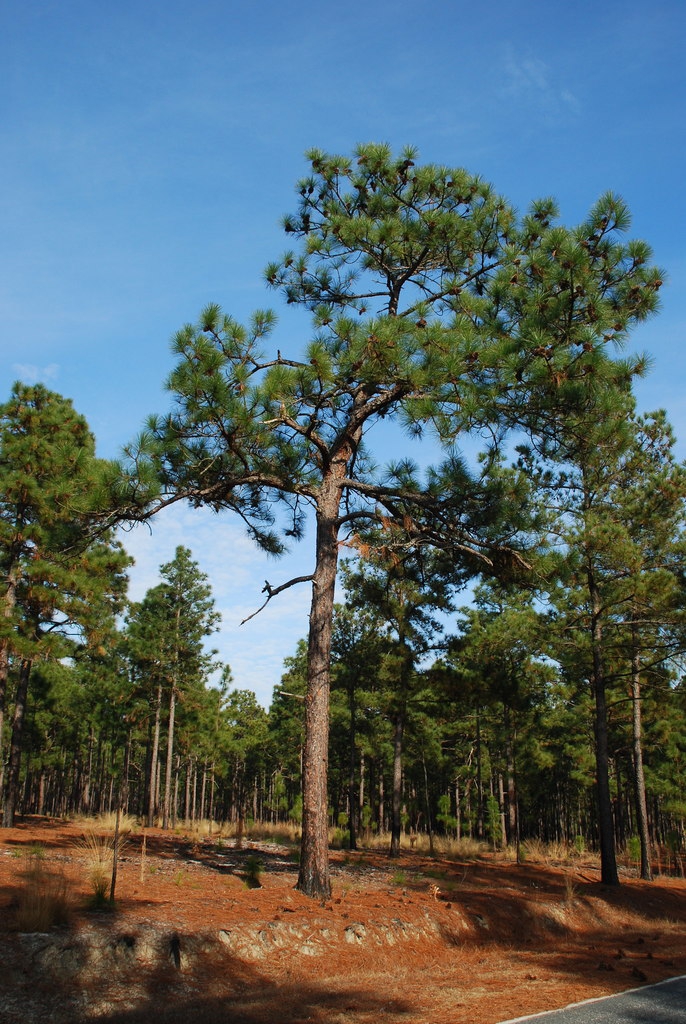
An ecological powerhouse and cornerstone of the NC coastal plain. Best planted in groupings. Supports over 1,500 wildlife species and is a major conservation priority. Long-lived and fire-adapted.
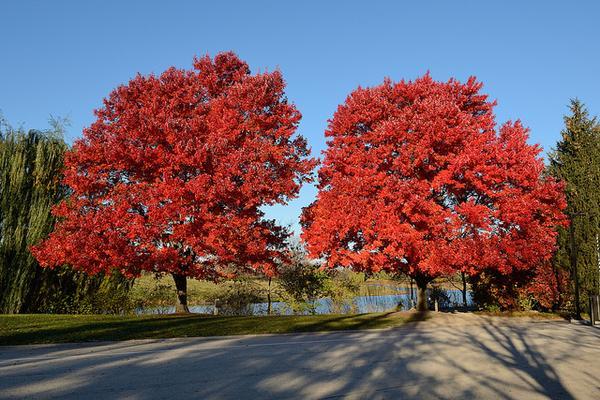
One of NC's most adaptable trees, comfortable in wet, dry, sandy, or clay soils. Reaches 40–70' with brilliant fall color. Many cultivars are available to suit specific landscape goals and size constraints.
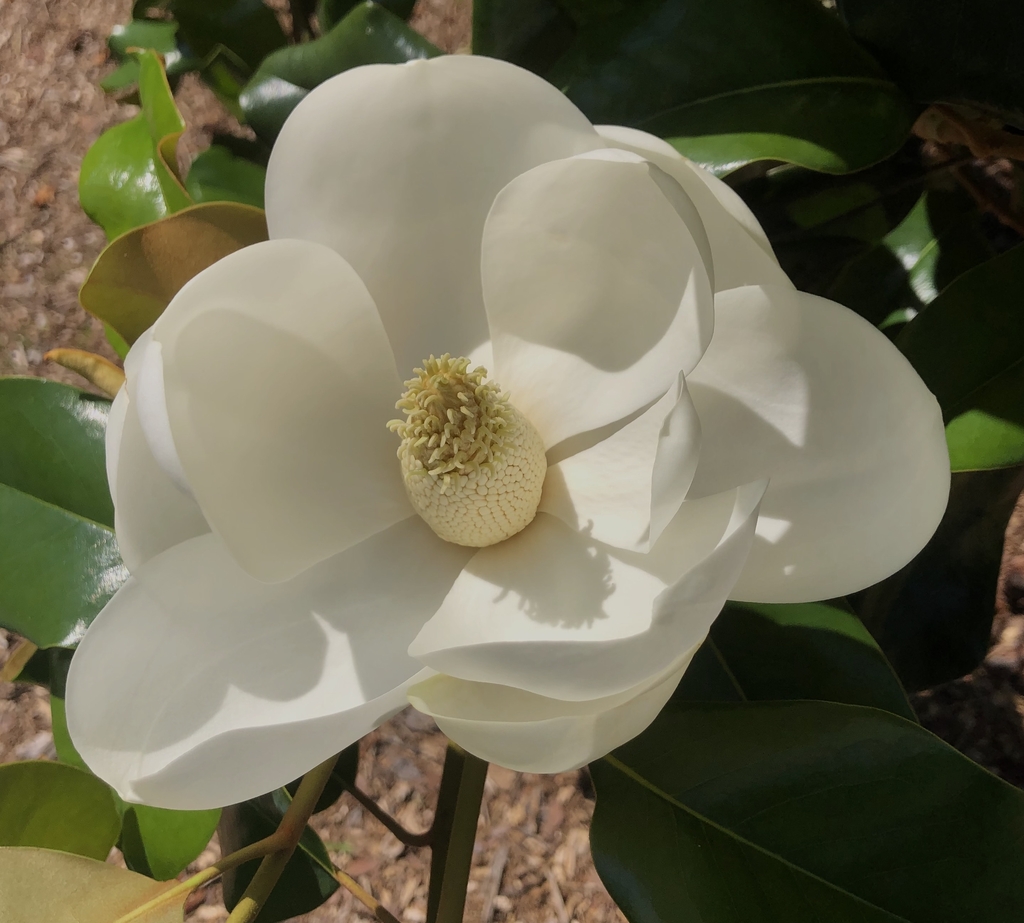
A quintessential coastal NC tree with large, fragrant white flowers and glossy evergreen foliage. Highly wind tolerant. Compact cultivars like 'Little Gem' and 'Kay Parris' fit tighter spaces beautifully.
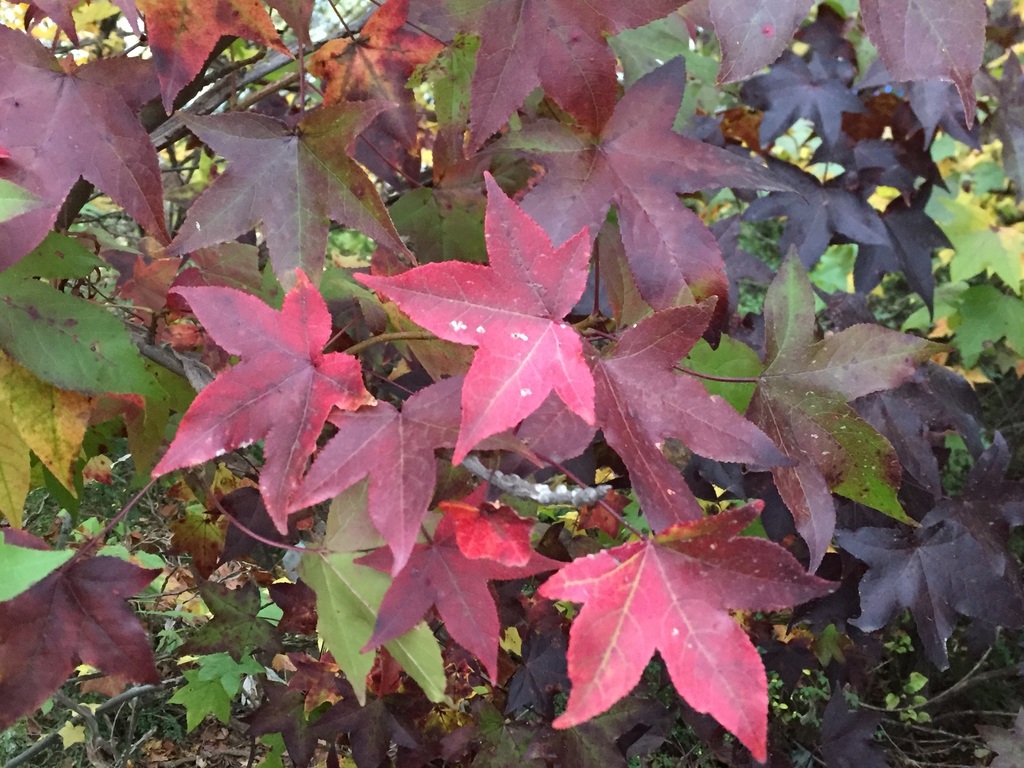
A superb shade tree reaching 60–100', with star-shaped leaves that put on a spectacular multi-colored fall display. Resistant to fire, drought, and compaction. Fruitless cultivars available if the seed balls are a concern.
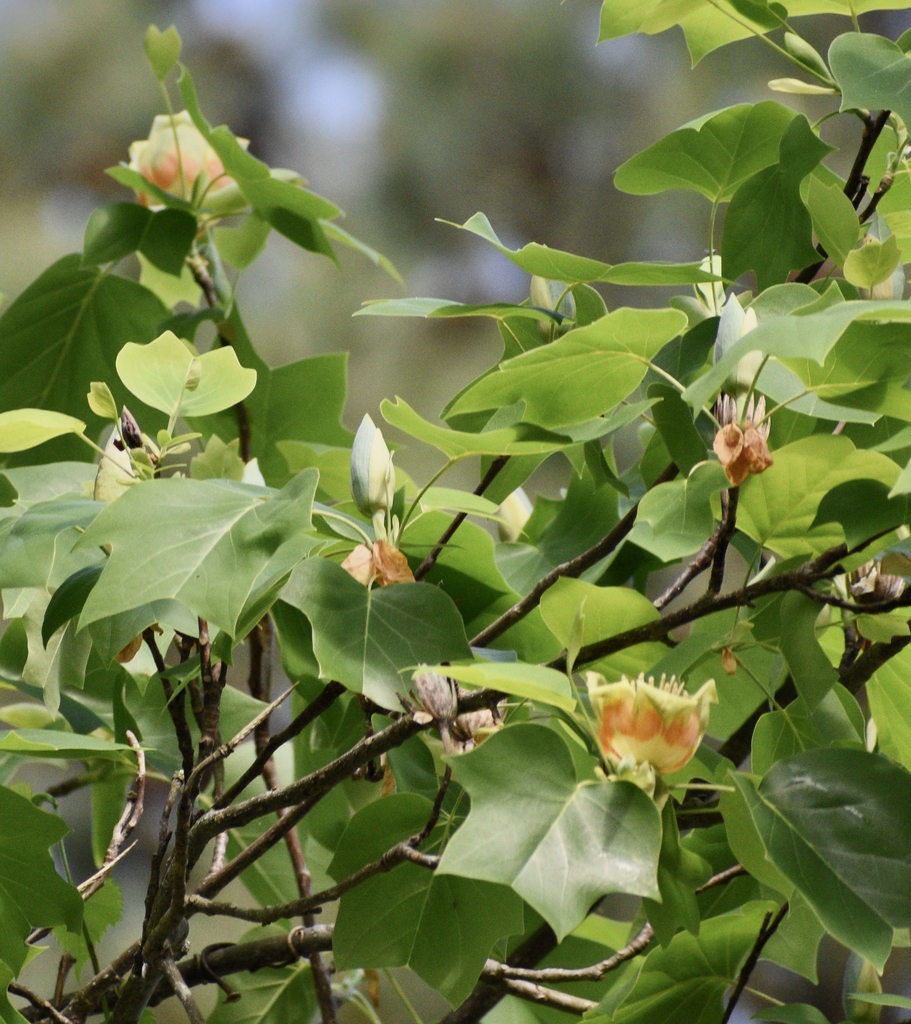
A fast-growing native that soars to 80–100', with distinctive tulip-shaped flowers that attract hummingbirds and bees. High wildlife value and beautiful pyramidal form make it an excellent large landscape tree.
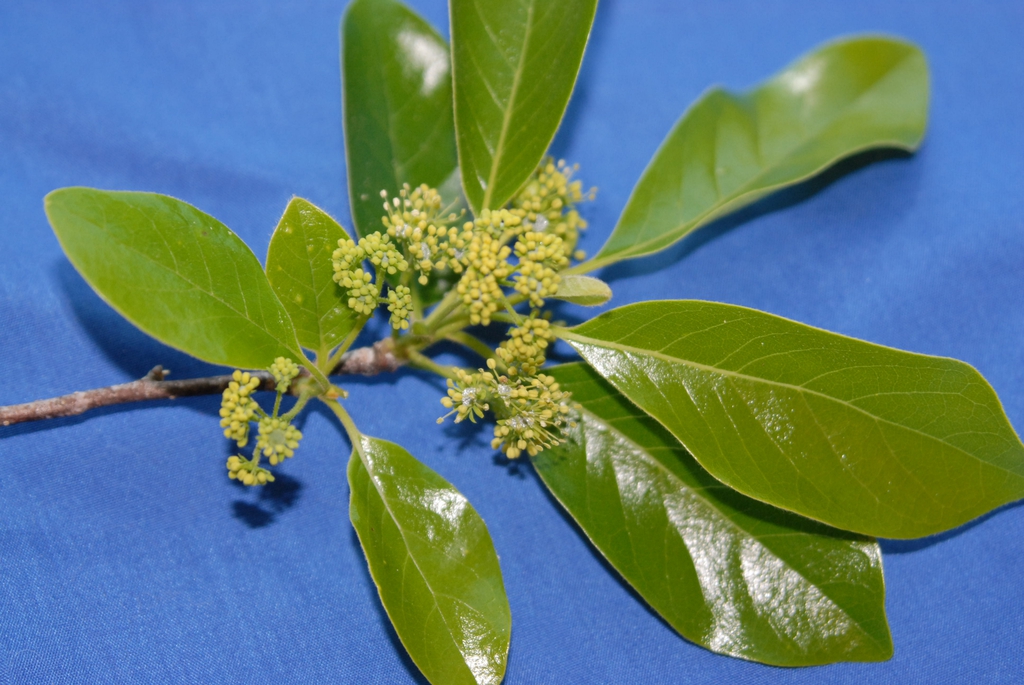
One of the best native trees for brilliant scarlet fall color — often the first to turn each autumn. Tolerant of compacted soils, and fruitless cultivars are available. Highly valued by wildlife for its small, dark fruits.
Understory & Smaller Trees
Native understory trees often have the most immediate visual impact in a residential landscape — spring bloom, fall color, wildlife habitat — without overwhelming a smaller yard.
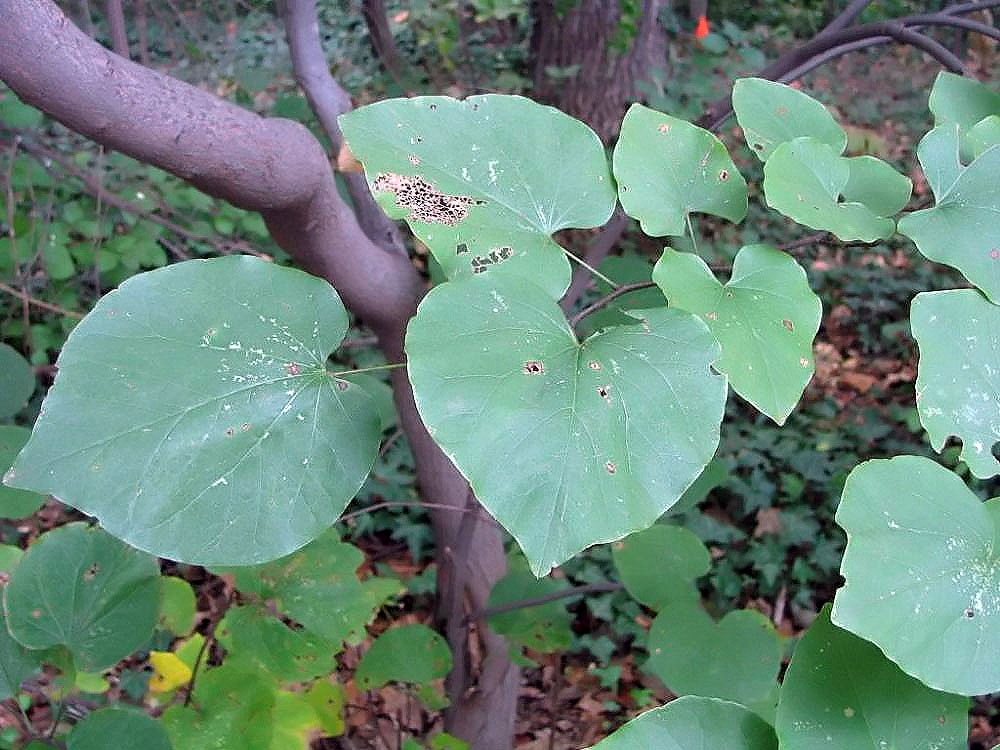
Few spring-blooming trees rival the Redbud for sheer color impact — electric pink-purple flowers line bare branches before any leaves emerge. Reaches 20–30' with a rounded crown. Best as an understory tree with some shade; in full sun, benefits from supplemental irrigation. A garden-worthy native with many beautiful cultivars.
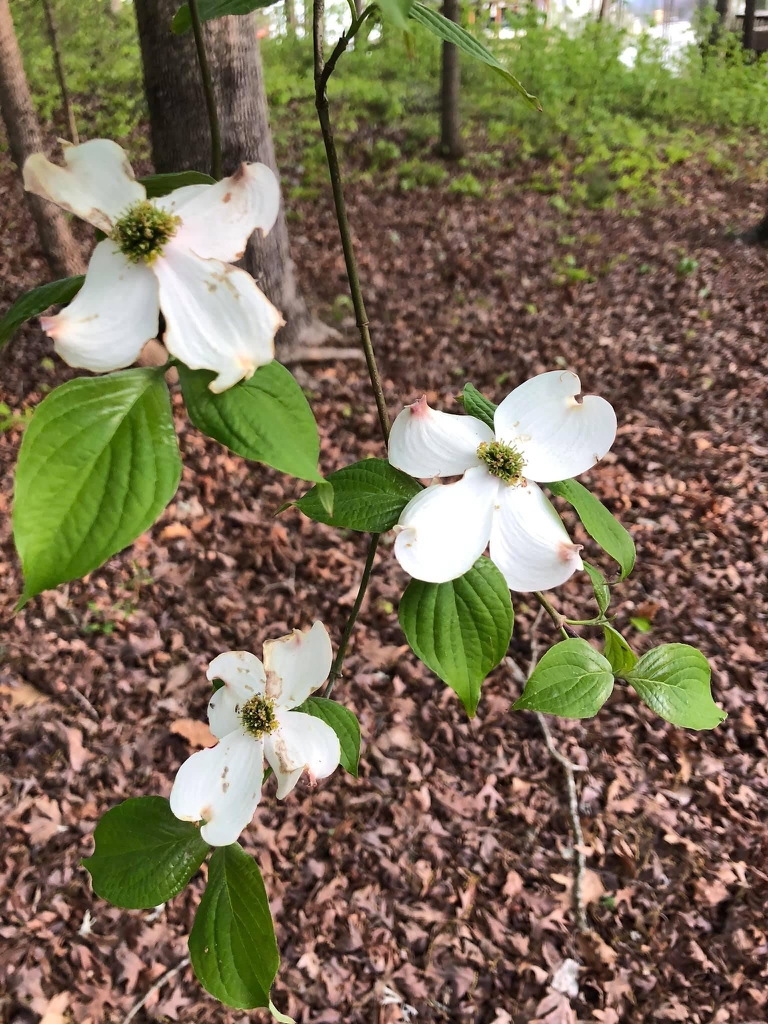
One of NC's most beloved native trees. White bracts in spring, bright red berries for birds in fall, burgundy fall color, and interesting horizontal branch structure in winter. Four full seasons of beauty. Tolerates heat once established.
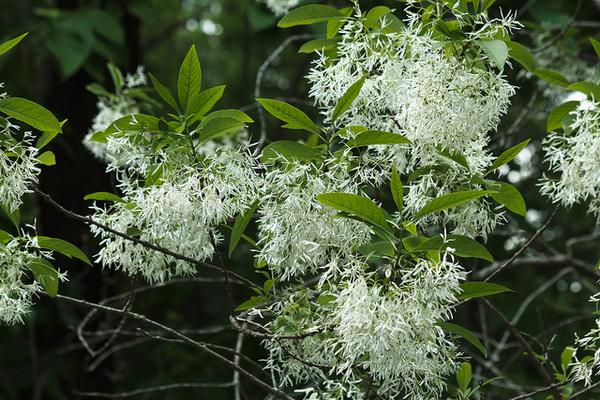
A small gem reaching 12–30', producing soft, fragrant white flower clusters in spring that give the plant its name. One of the best underused native trees for Southeastern landscapes. Trouble-free and adaptable once established.
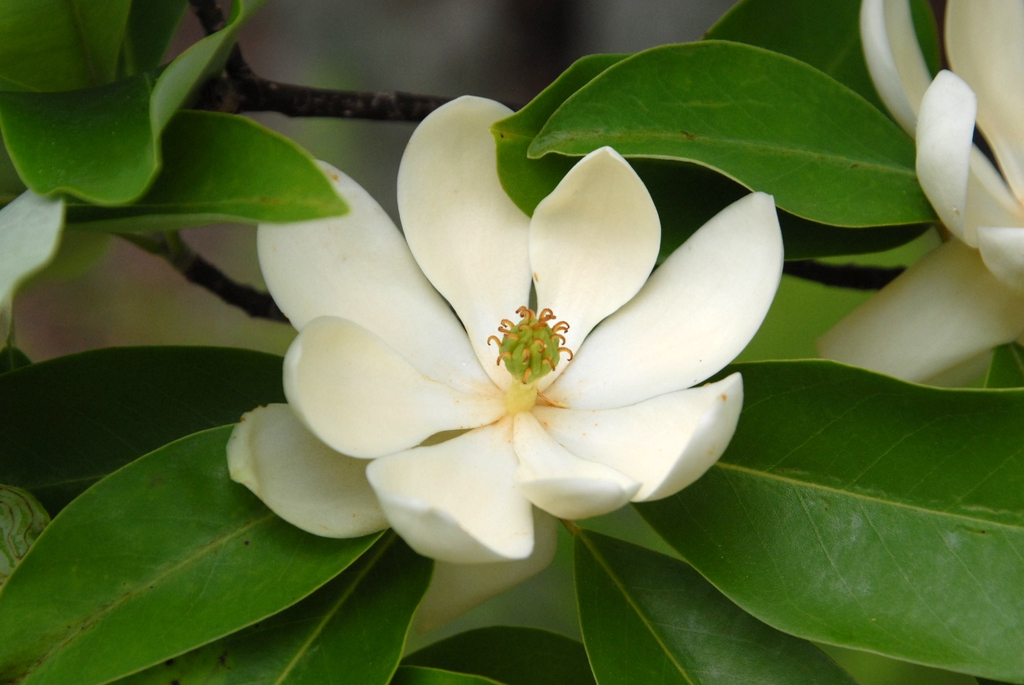
A versatile semi-evergreen native with creamy-white, lemon-scented flowers. Reaches 10–30' and tolerates wet conditions — an excellent, underused alternative to the overplanted Crape Myrtle in coastal NC landscapes.
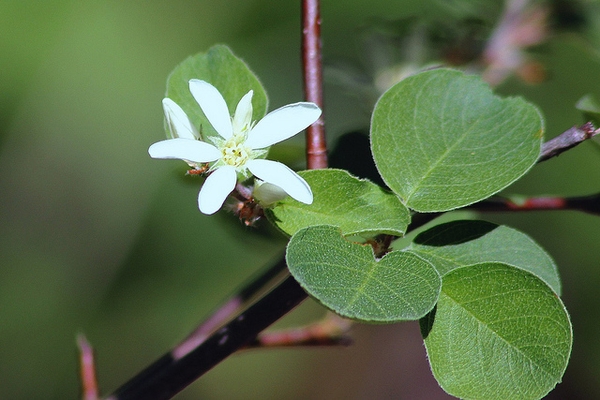
Among the first trees to bloom in spring — clouds of white flowers appear almost before winter is over. The sweet, blueberry-like fruit is prized by birds and people alike. Upright and multi-stemmed at 15–25', it can be trained to a single stem.
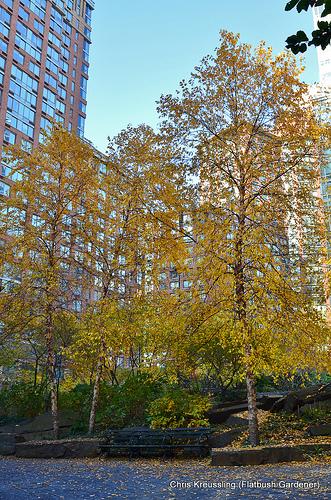
Prized for its peeling, cinnamon-colored bark that provides winter interest like no other native tree. Reaches 30–70' and works well in narrow spaces. Good for wet or moist sites, but adaptable to average garden conditions.
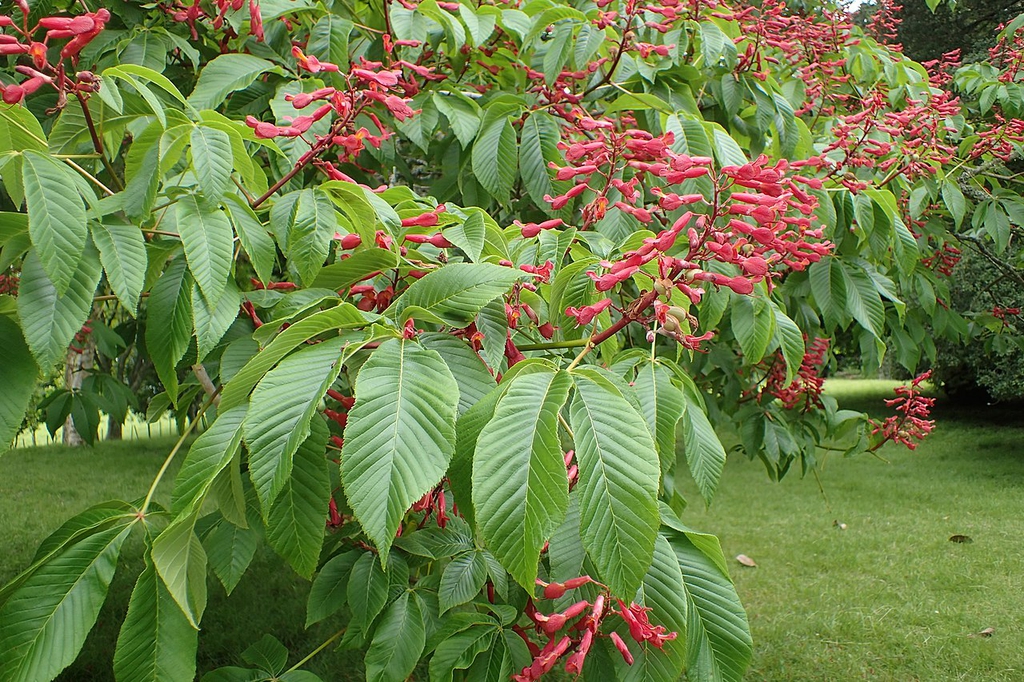
A large shrub to small tree reaching 15–25' with spectacular red flower spikes in spring that hummingbirds can't resist. One of the best native plants for attracting early-season hummingbirds as they migrate through.
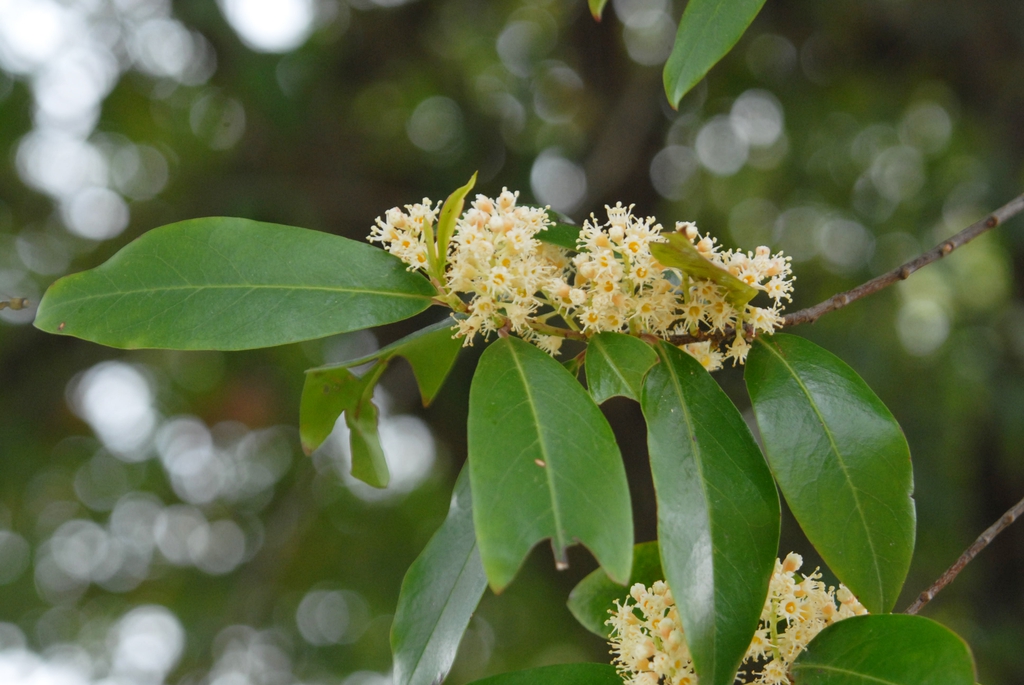
Enormous wildlife value — the small black fruits are a critical food source for birds. Reaches 15–35' and can be maintained as a formal hedge or allowed to grow as a screening tree. Glossy evergreen foliage year-round.
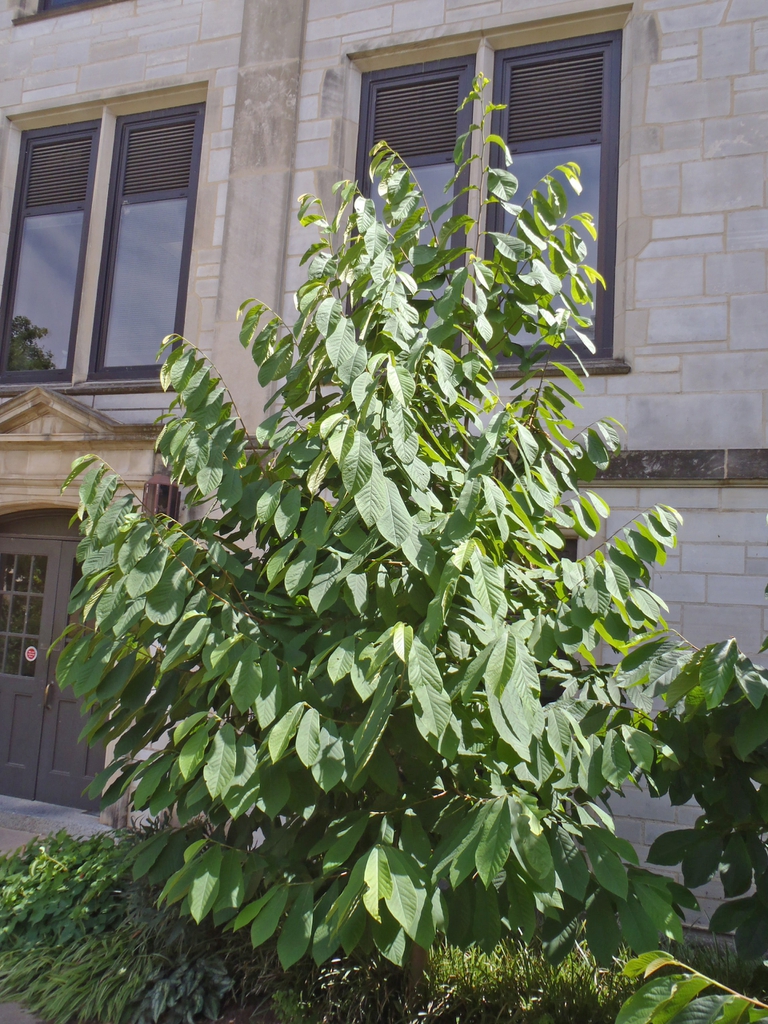
The largest native fruit tree in North America produces tropical-tasting custard fruits that are beloved by wildlife — and people. Reaches 15–30' and tolerates wet, moist soil. The host plant for Zebra Swallowtail butterflies.
Native Shrubs
Shrubs provide the mid-layer of a healthy landscape — seasonal interest, wildlife food and cover, and the structural transitions that make a planting feel complete.
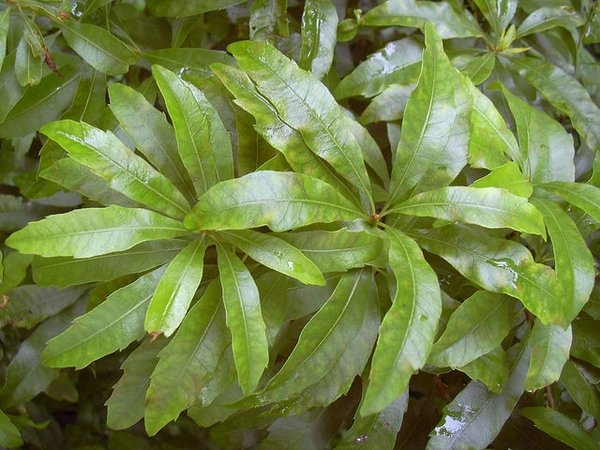
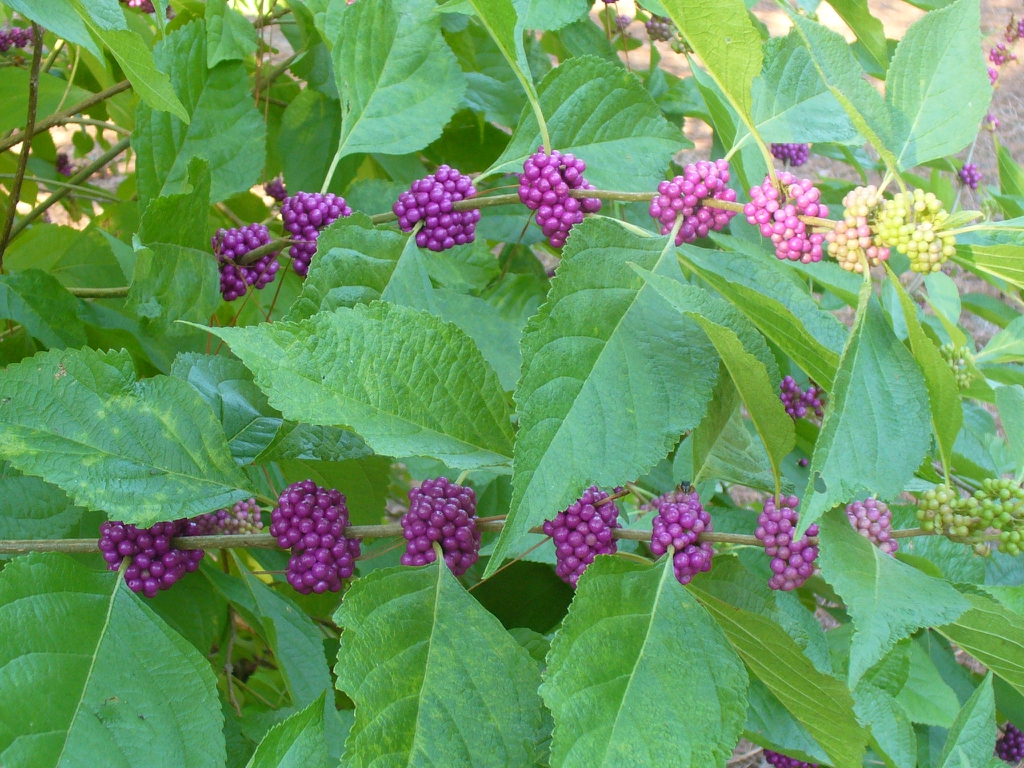
Grown for its electric-purple berry clusters that line arching stems in fall — one of the most visually striking native shrubs we have. Reaching 3–6', it's easy to grow and highly valuable to wildlife. Hard to beat for fall interest.
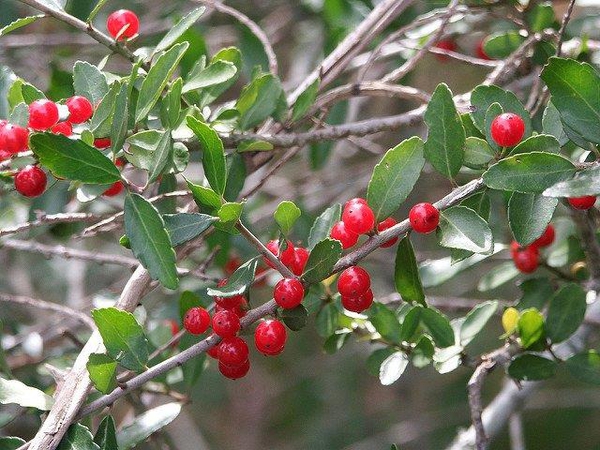
NC's most versatile native evergreen shrub. Extraordinary tolerance for salt, drought, and a wide range of soils. Female plants produce bright red berries that feed birds through winter. Available in weeping, dwarf, and upright forms.
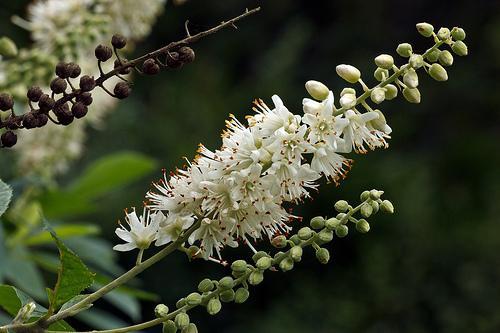
A summer-blooming gem with intensely fragrant white or pink flower spikes that attract swarms of pollinators in July and August — prime migration season for many butterflies. Thrives in moist to wet soils and part shade. Many cultivars available.
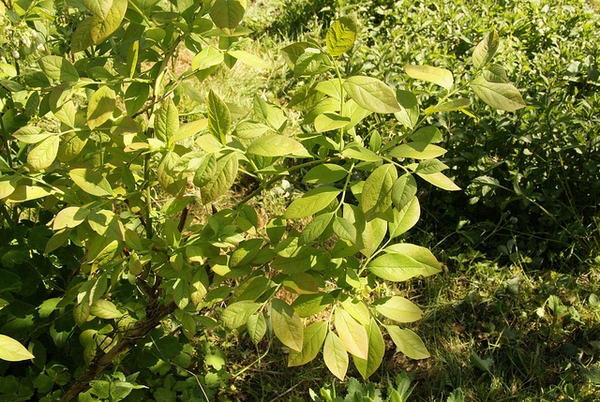
Beautiful in every season — white flowers in spring, edible berries in summer, brilliant scarlet fall color. Prefers acidic soil (pH 5.0). Self-fertile and highly productive. Reaching 6–12', it works well as a shrub border or informal hedge.
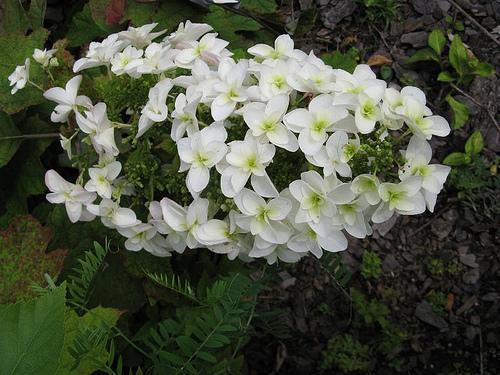
A true four-season native: conical white flowers in summer, spectacular orange-red fall foliage, peeling cinnamon bark in winter, and textured oakleaf foliage in spring. Reaching 8–12'. Performs best with some afternoon shade in coastal sites.
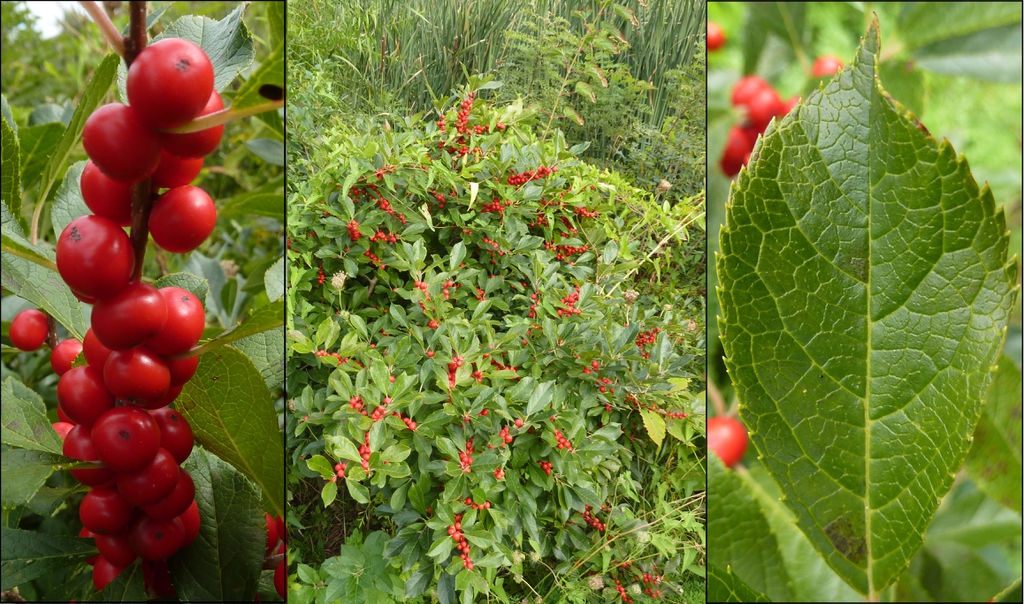
A stunning deciduous holly that produces masses of brilliant red berries against bare winter branches — one of the best native shrubs for winter wildlife. Birds flock to it from fall through early spring. Resistant to deer, fire, salt, and wet soil.
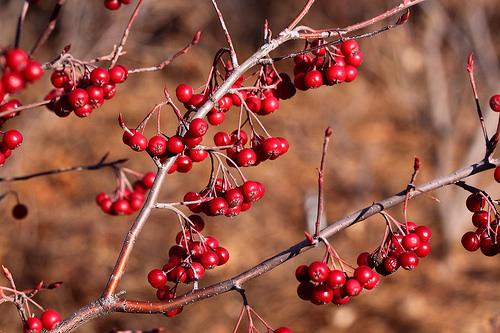
White spring flowers, glossy red berries, and blazing fall color make this 6–12' shrub a standout in mass plantings. Tolerates boggy soils and adapts to drier conditions. Seriously underused — one I recommend more often than I see planted.
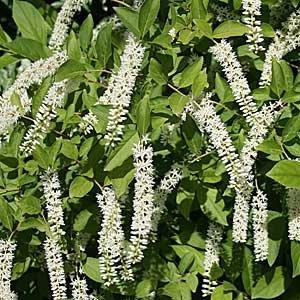
A graceful shrub with fragrant white flower racemes and exceptional fall color ranging from orange to deep crimson. Tolerates a wide range of soils including wet conditions. 'Henry's Garnet' is the most reliable cultivar for this region.
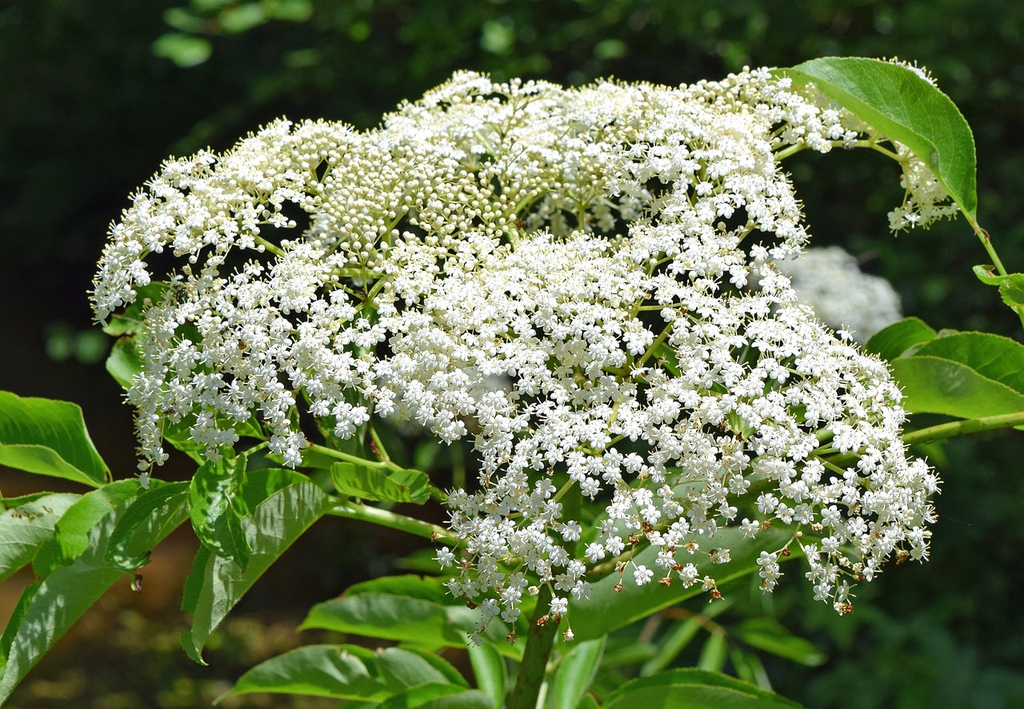
A fast-growing shrub reaching 5–12' that tolerates a wide range of soil types. Flat-topped white flower clusters in summer give way to dark purple berries loved by birds and used in syrups, jellies, and wine by people.
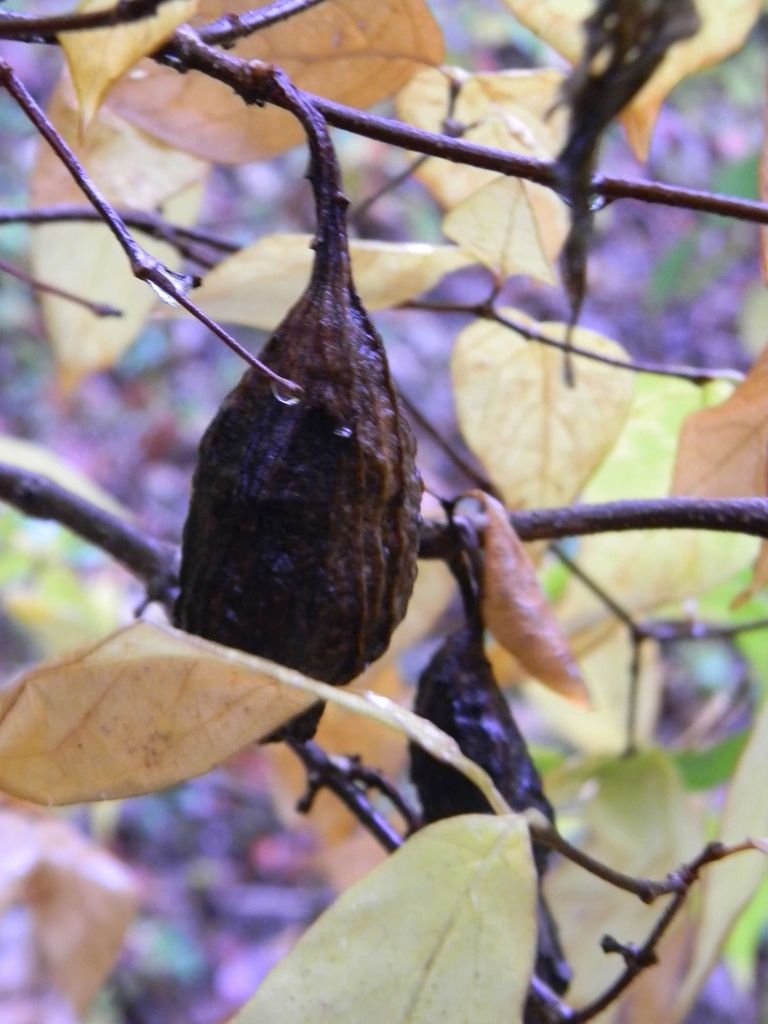
Unusual burgundy-red flowers with a fruity, wine-like fragrance appear in spring and sporadically through summer. Reaching 6–12', it tolerates brief flooding, is deer resistant, and brings a unique sensory quality to any planting.
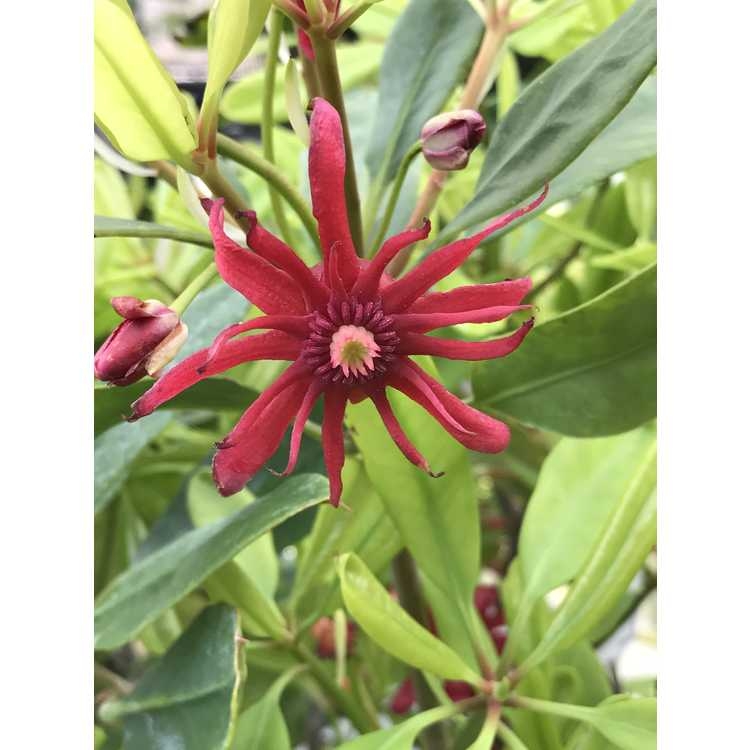
A fast-growing, moderately drought tolerant evergreen reaching 15–20'. Large, glossy leaves with an anise fragrance when crushed make this an intriguing addition to a shaded or part-shaded garden. Excellent screening plant.
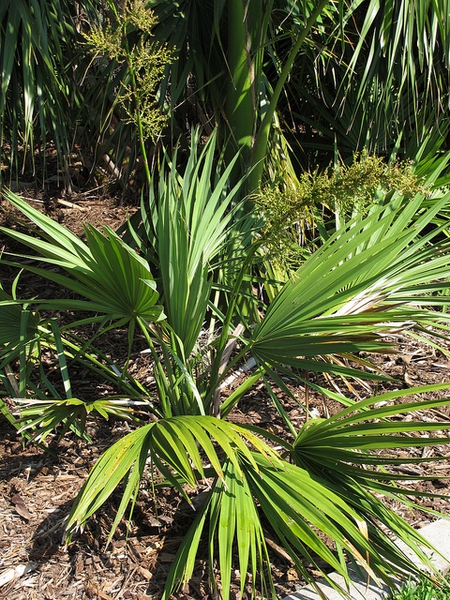
A trunkless native palm reaching 2–5' that brings a distinctly coastal texture to the landscape. Drought and salt tolerant — well adapted to the rigors of the coast. An easy way to add a tropical feel with a genuinely native plant.
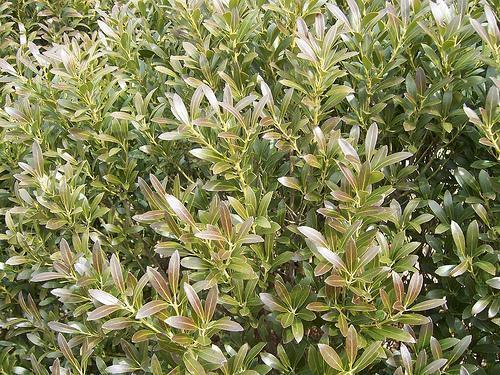
A refined, tidy evergreen shrub that makes an excellent native substitute for Boxwood. Reaches 4–6' with a dense, rounded habit. Cultivars like 'Gem Box' and 'Shamrock' are especially compact and well-suited to formal plantings.
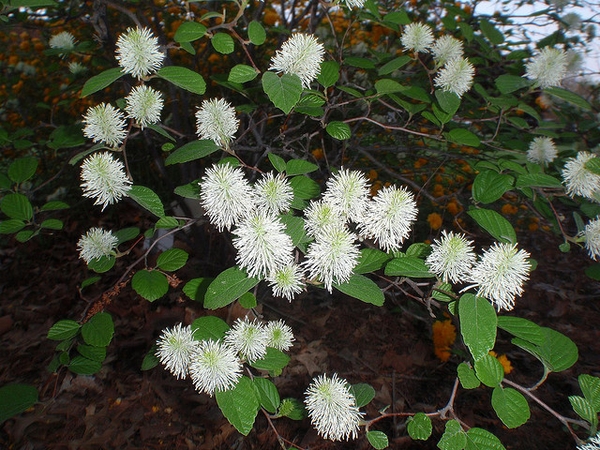
Bottle-brush white flowers in spring with a honey fragrance, followed by some of the best fall color of any native shrub — orange, red, and yellow all at once. Tolerates wet soil, compaction, and drought. A truly underappreciated native.
Native Perennials
Native perennials are the heart of a wildlife-supporting planting. Many of our best coastal perennials peak from summer through fall — exactly when migrating butterflies and late-season pollinators need fuel most.
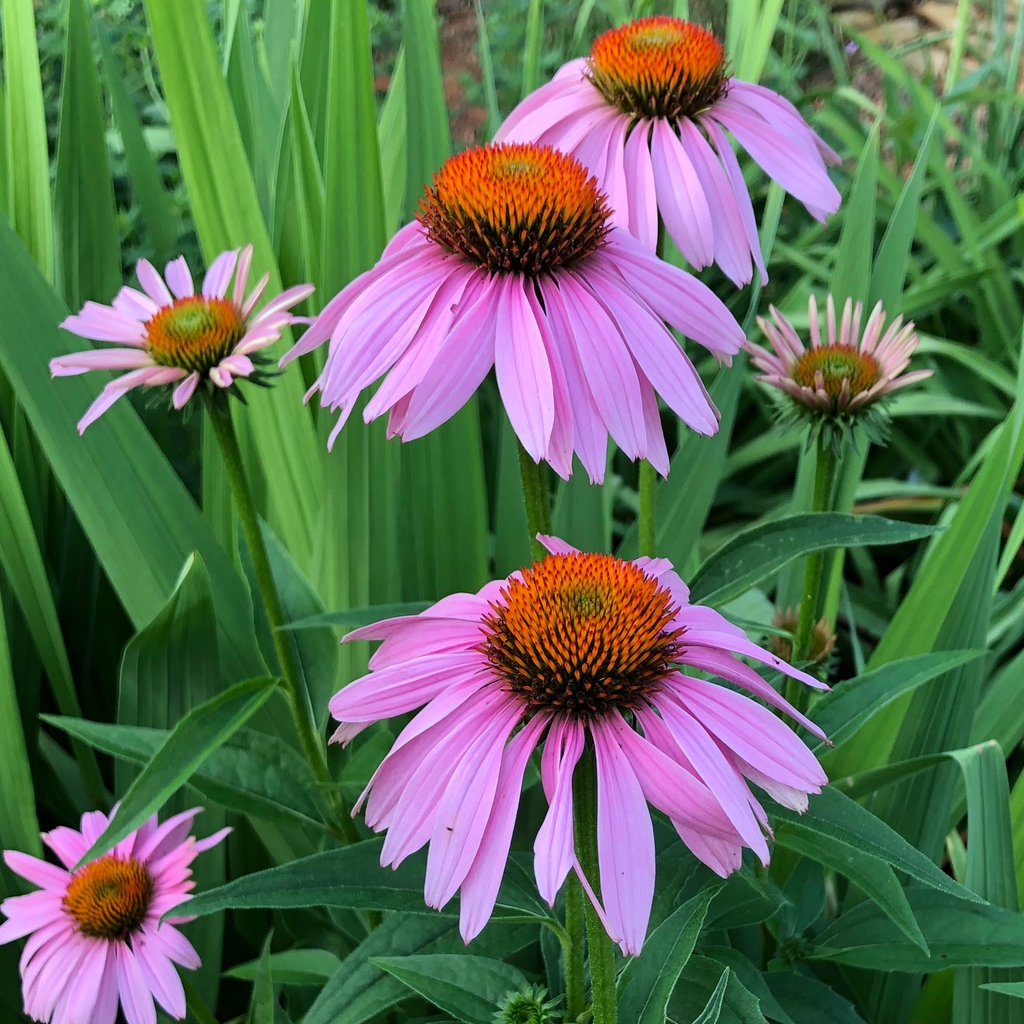
One of the most reliably performing native perennials anywhere. Reaching 3–4', it's resistant to deer, drought, dry soil, heat, humidity, poor soil, and salt. Seed heads feed goldfinches through winter. Leave them standing — don't deadhead.
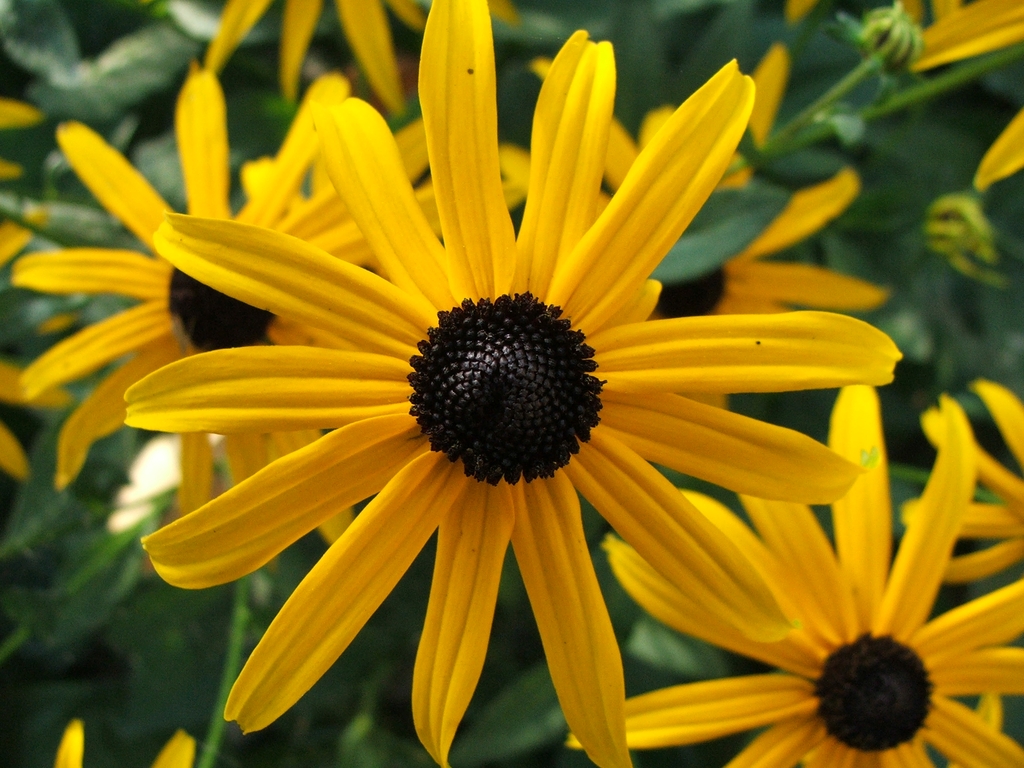
A cheerful, tough perennial that blooms prolifically from summer into fall. Reaching 2–3', it's resistant to deer, drought, dry soil, and pollution. The 'Goldsturm' cultivar is particularly compact and long-blooming. A coastal NC workhorse.
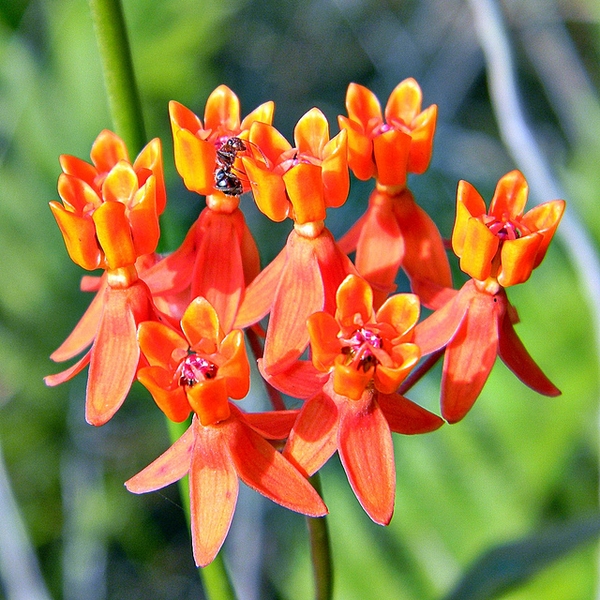
Essential for Monarch butterfly conservation — the only host plants their caterpillars can eat. Butterfly Weed (A. tuberosa, orange, dry sites) and Swamp Milkweed (A. incarnata, pink, moist sites) are the top two choices for coastal NC.
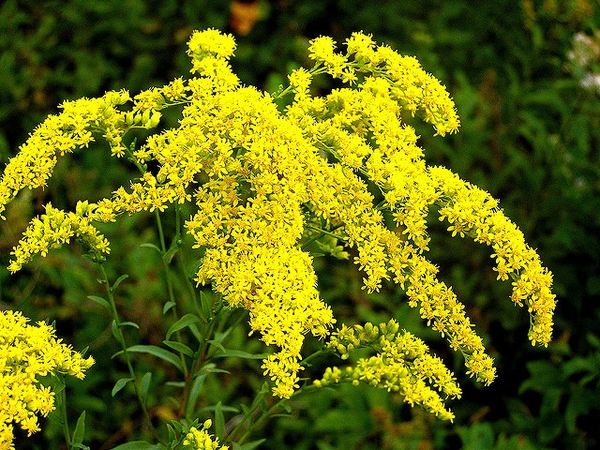
Unfairly blamed for allergies (that's ragweed), goldenrod is one of the most critical late-season nectar sources for pollinators and migrating Monarchs. Many species to choose from — S. rugosa 'Fireworks' is especially ornamental.
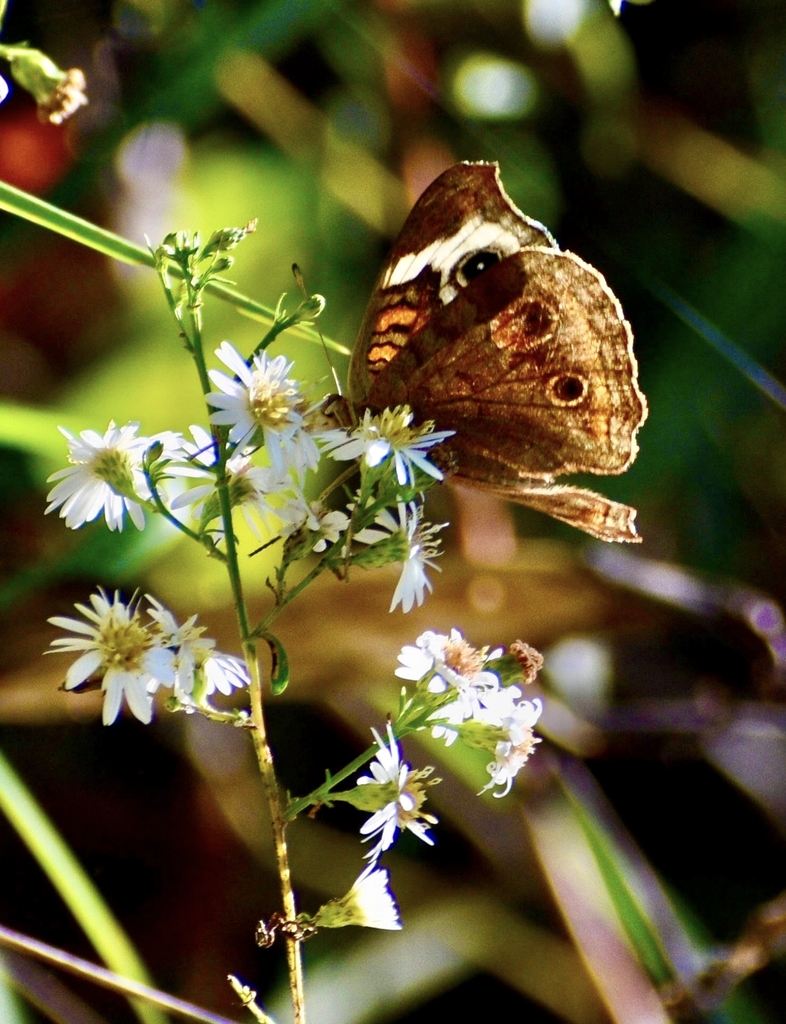
Fall-blooming asters in purple and white are among the final nectar sources of the season — critical for migrating butterflies building fuel reserves. Aromatic, New England, and Smooth Asters all perform well in coastal NC. Plant several species.
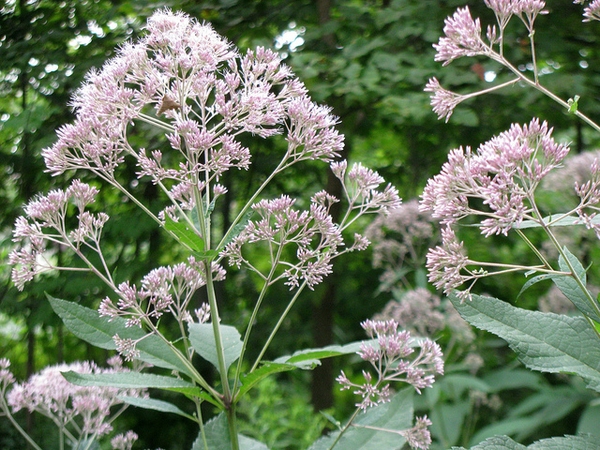
A bold, tall perennial with large mauve flower heads that act like butterfly magnets in late summer. Coastal Plain Joe-Pye Weed (E. dubium) is particularly well-suited to our region. Dwarf cultivars are available for smaller spaces.
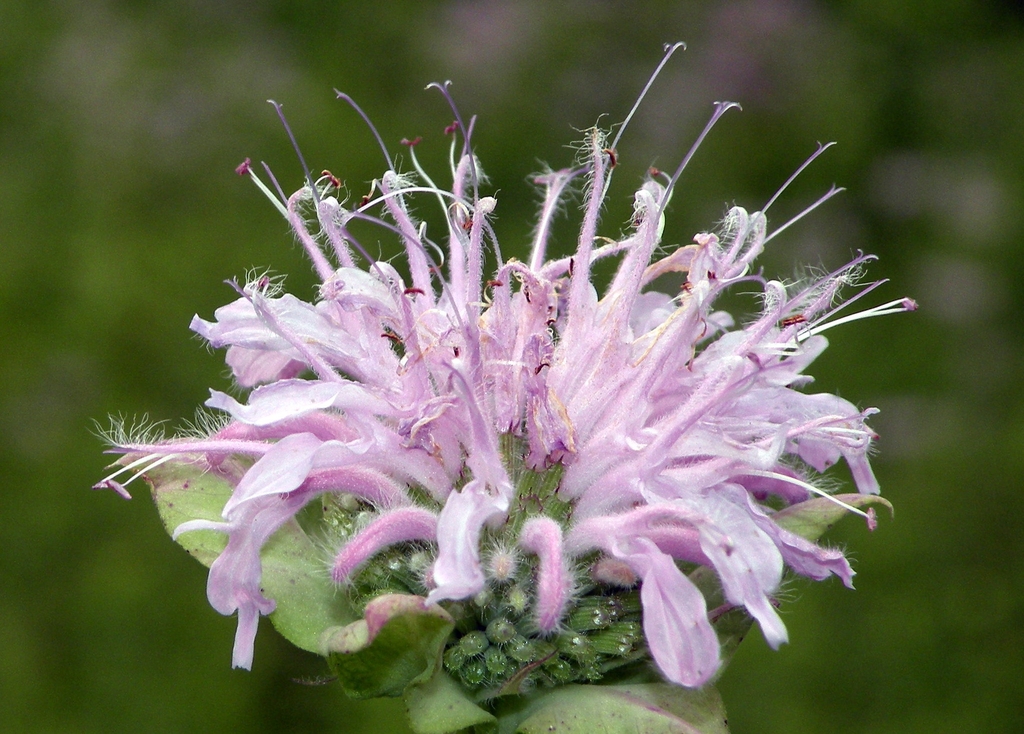
Shaggy, jewel-toned flowers in red, pink, and lavender that attract hummingbirds, bumblebees, and butterflies. Deer and rabbit resistant. Allow good air circulation to prevent powdery mildew. Multiple species perform well in coastal NC.
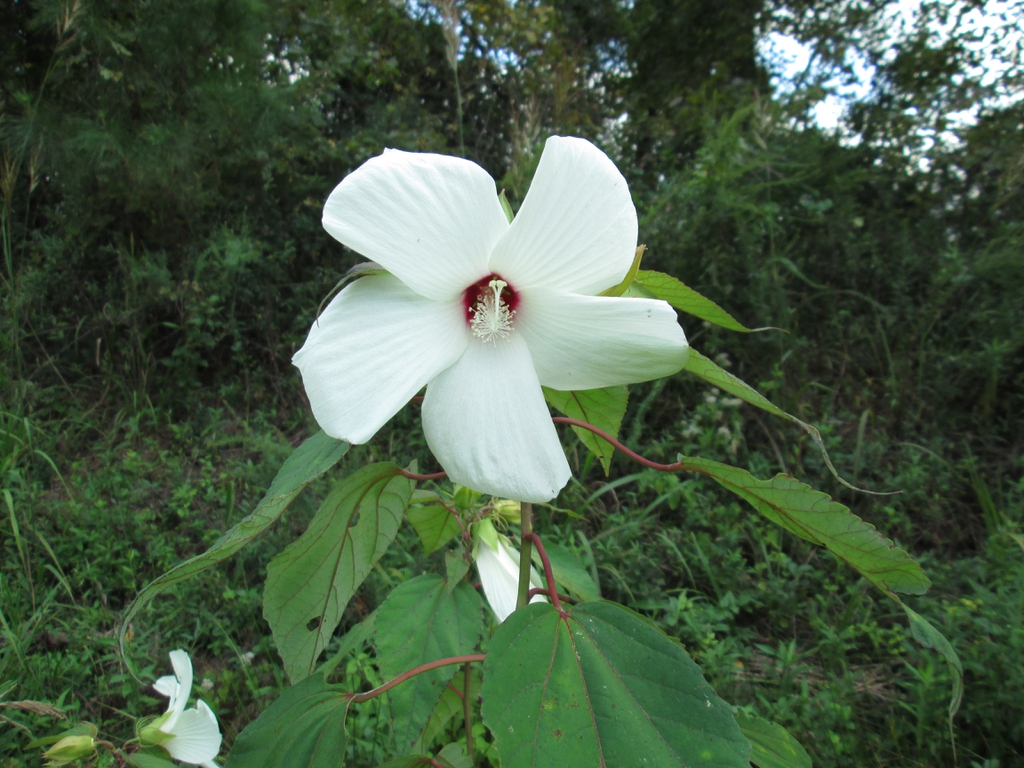
The drama queen of native perennials — dinner-plate-sized flowers in pink, red, and white appear all summer on 2–6' plants. Excellent for wet sites and rain gardens. Resistant to heat, humidity, salt, and wet soil. Spectacular and tough.
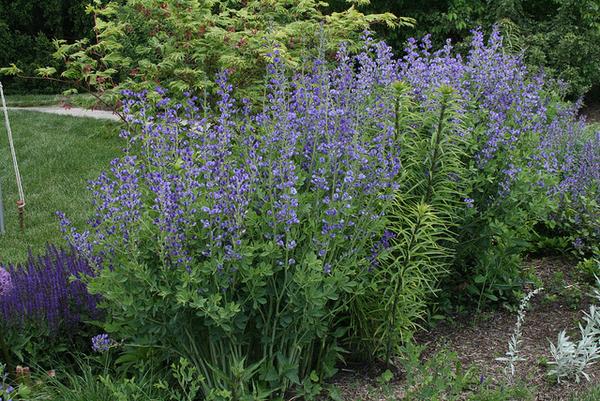
A long-lived native that develops into a substantial, shrub-like clump 3–4' tall and wide. Blue-purple or white flowers in spring. Resistant to deer, disease, drought, erosion, insect pests, and poor soil. A true set-it-and-forget-it perennial.
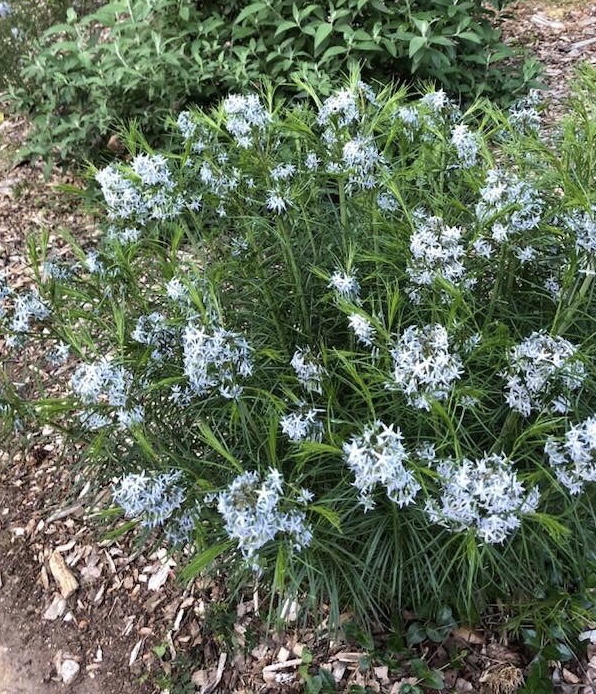
A slow-growing but extraordinarily rewarding perennial. Powder-blue flowers in spring are lovely, but the real show comes in fall when the feathery foliage turns brilliant gold. Deer resistant and tolerant of poor soil. Underplanted and underrated.
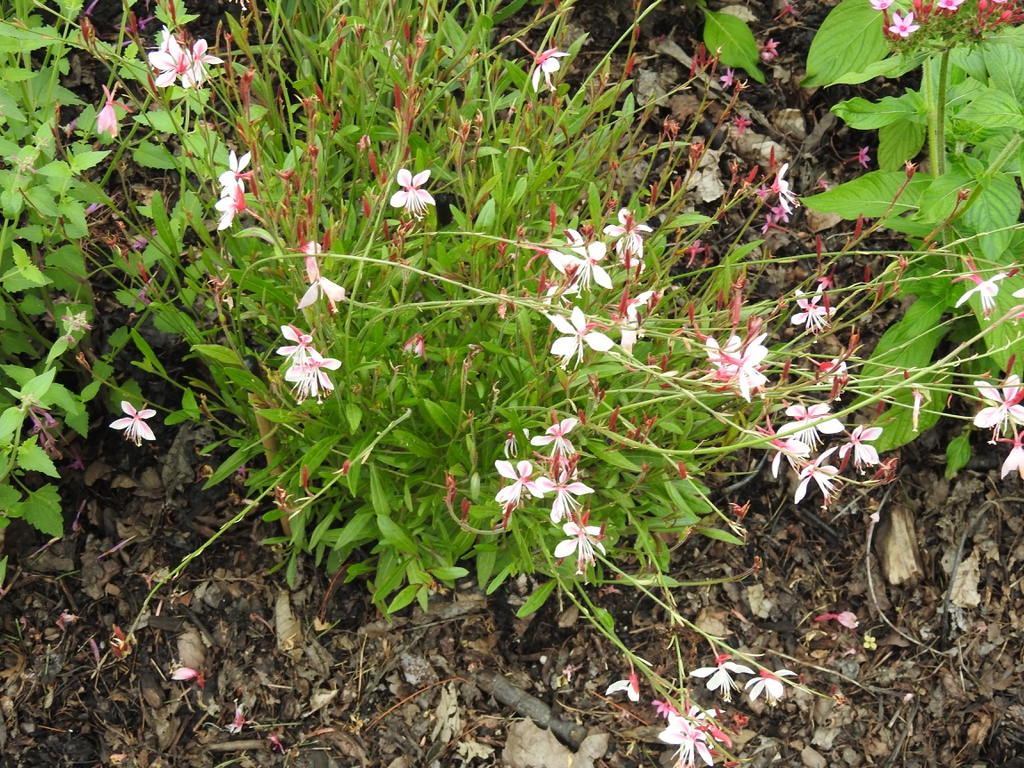
Airy, dancing white-to-pink flowers on wiry stems that move beautifully in coastal breezes from late spring through fall. Reaching 3–5', it's resistant to deer, drought, and heat — tailor-made for the coastal Southeast.
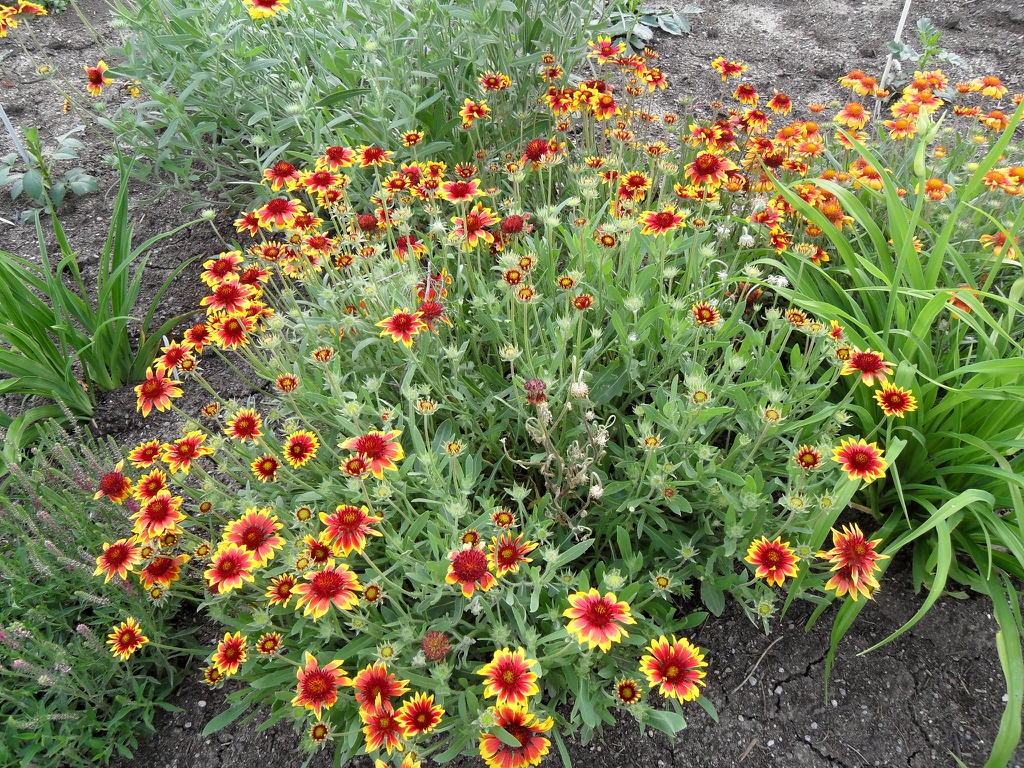
Bold red-and-gold daisy flowers bloom prolifically from summer into fall on a compact 1–2' plant. Drought, heat, and salt tolerant — well adapted to tough coastal sites. One of the most reliable native sun perennials for SE NC.
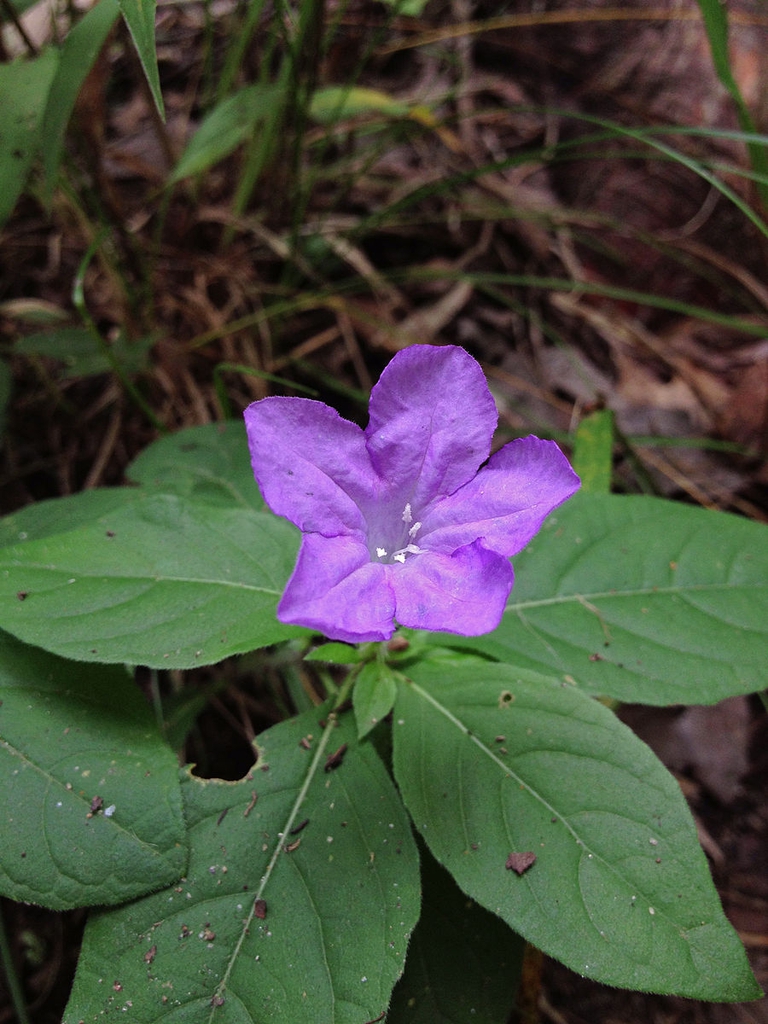
Lavender-blue flowers that support a diverse array of native pollinators. Reaching 1–3', it self-seeds gently and naturalizes well at the edge of a garden. A reliable bloomer from late spring through summer in a variety of soils.
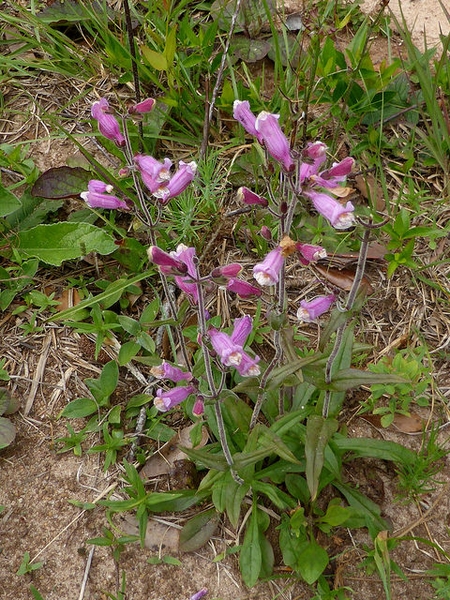
Tubular lavender-pink flowers from spring into early summer on upright 2–3' stems. Deer resistant and easy to grow in well-drained soils. An excellent native for the front of a border, particularly valued by native bees and hummingbirds.
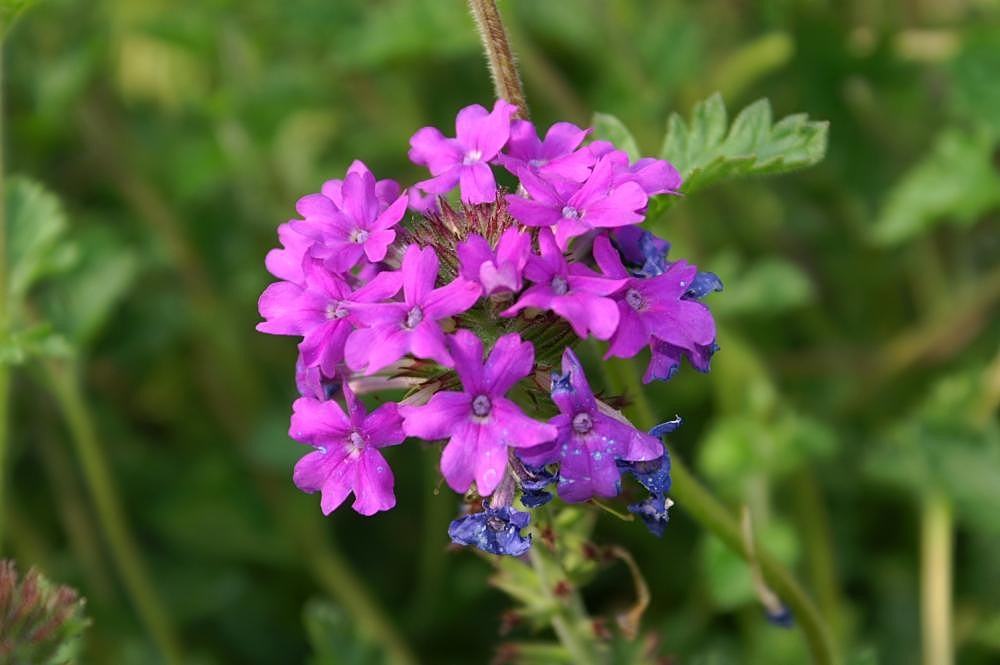
Low-spreading clusters of rosy-purple flowers over a very long bloom season. Drought, heat, humidity, and salt tolerant — an excellent groundcover-style perennial for sunny, dry spots in coastal NC gardens. Deer resistant.
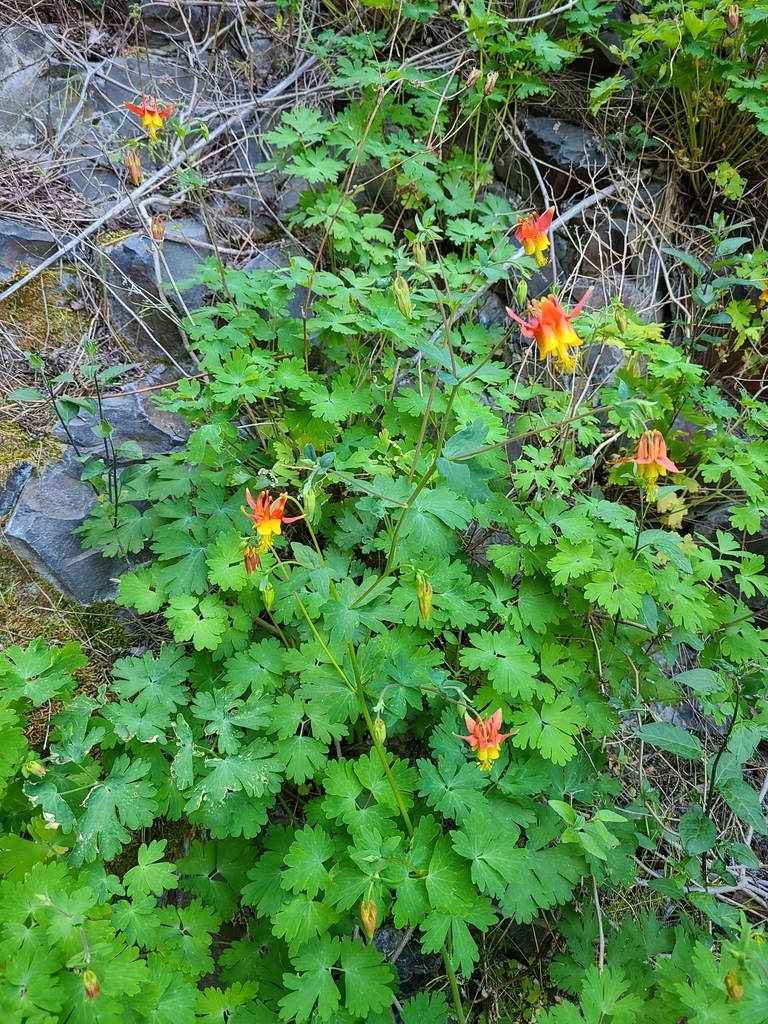
Nodding red-and-yellow flowers in spring that are a critical early nectar source for Ruby-throated Hummingbirds arriving from their migration. Self-seeds readily in partial shade to create naturalized colonies over time. Deer resistant.
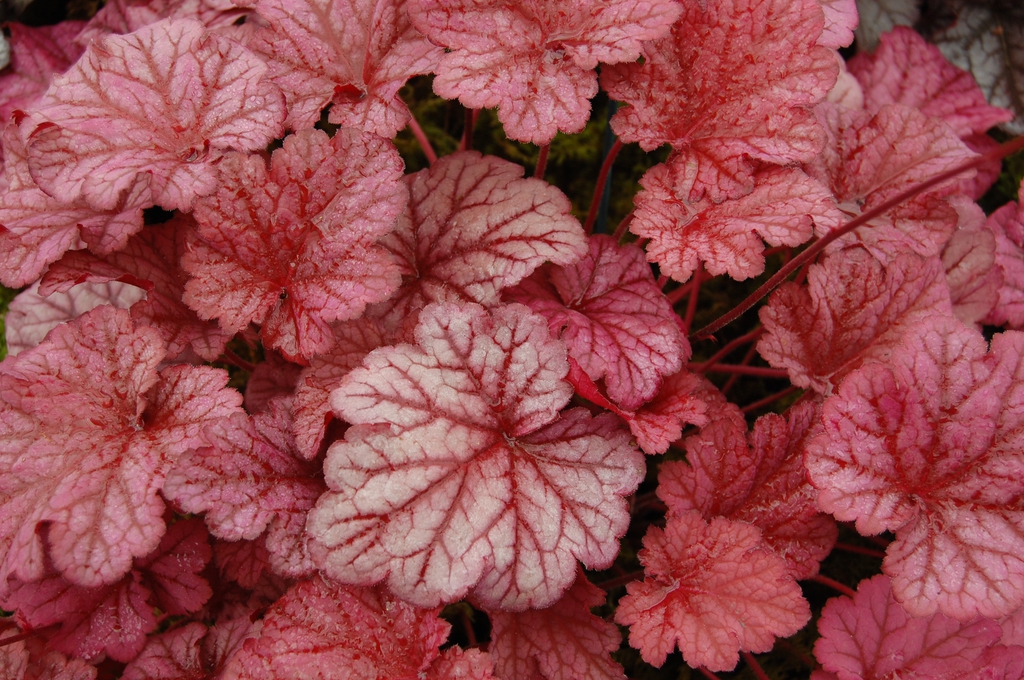
A native groundcover perennial for shade with handsome foliage in a range of burgundy, copper, and green tones depending on cultivar. Deer, drought, and rabbit resistant. Long-lived and relatively low-maintenance once established.
Grasses & Sedges
Native grasses add movement, texture, and four-season structure. They provide nesting material, cover for birds, support specialist insects, and offer winter seed for wildlife — with remarkably low maintenance.
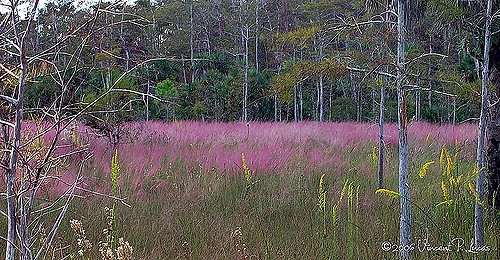
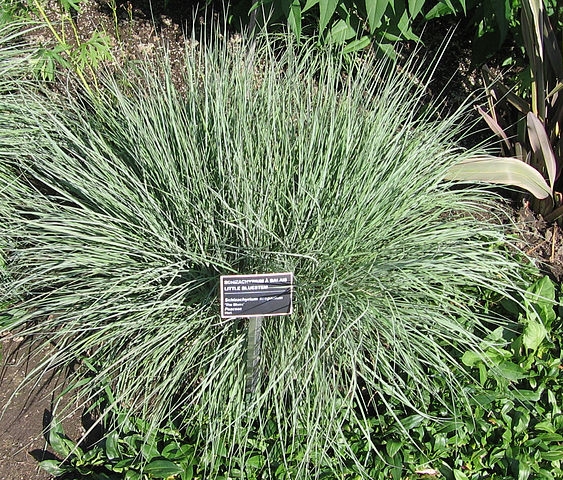
The premier native grass for coastal NC — blue-green in summer, turning coppery-orange in fall and holding color through winter. Resistant to drought, deer, salt, and heat. Works beautifully in containers and mass plantings. Many cultivars available.
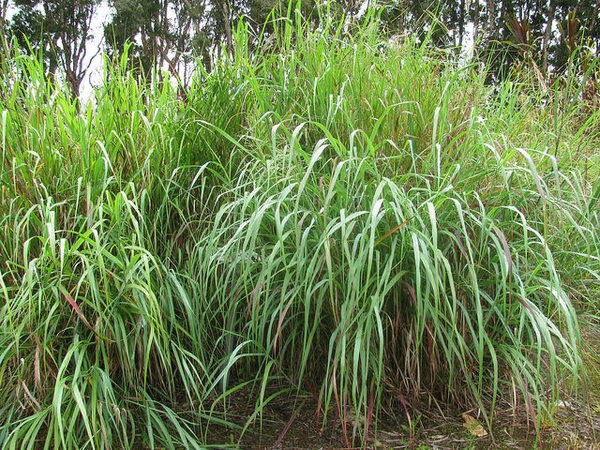
A versatile native grass reaching 3–7', with fine-textured foliage and airy seed heads that move beautifully in coastal breezes. Drought, salt spray, deer, erosion, and wet soil tolerant. Cultivars range from blue-leaved to deep burgundy.
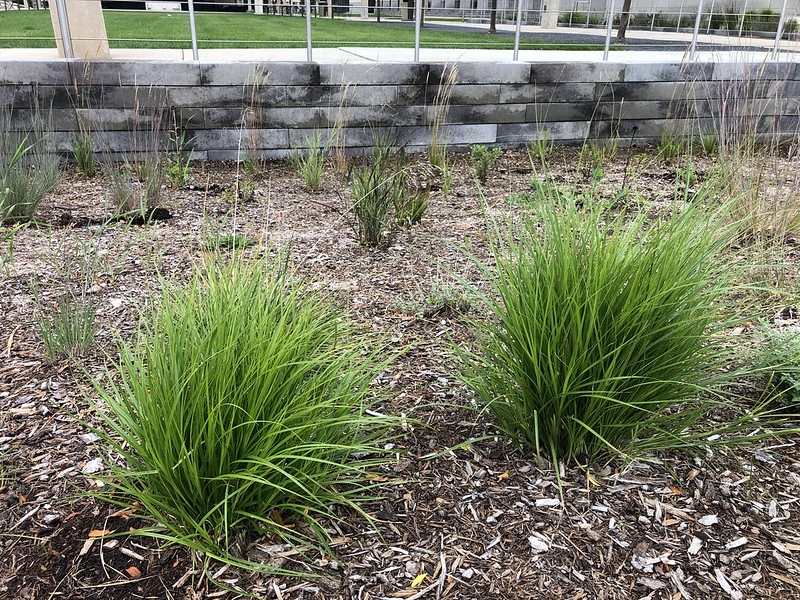
Native sedges are among the most ecologically valuable groundcover plants available — supporting a wide range of specialist insects while staying low and tidy. Dozens of species suited to everything from dry shade to wet sun in coastal NC.
Native Groundcovers
Replacing turf with native groundcovers reduces water use, eliminates mowing, and dramatically increases habitat value — especially in areas where turfgrass struggles.
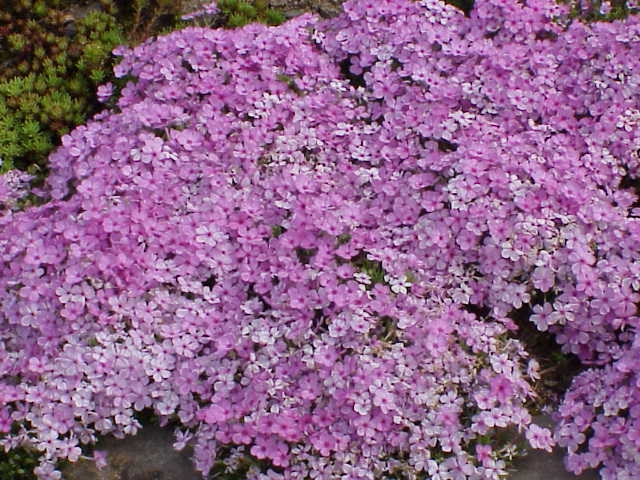
Dense, weed-suppressing mats covered in spring blooms. Drought, dry soil, erosion, and salt resistant. Evergreen. Full sun.
Native groundcover for shade with attractive foliage in dozens of cultivar colors. Deer and drought resistant. Part to light shade.
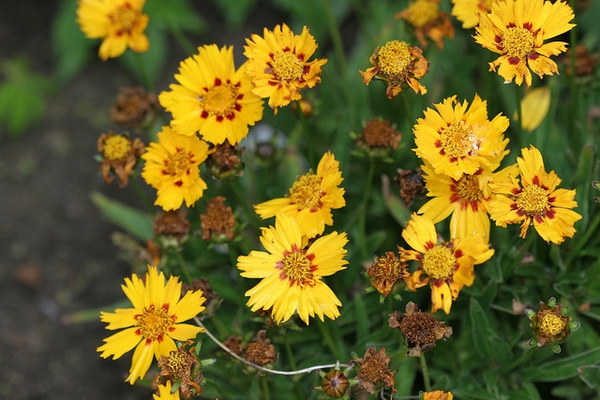
Cheerful yellow flowers over a long bloom period. Threadleaf Coreopsis is especially drought, salt, and heat tolerant. Full sun.
Native Vines
Choose native vines deliberately — the right vine in the right place provides exceptional habitat with minimal care. Plant on sturdy structures appropriate to the vine's vigor.
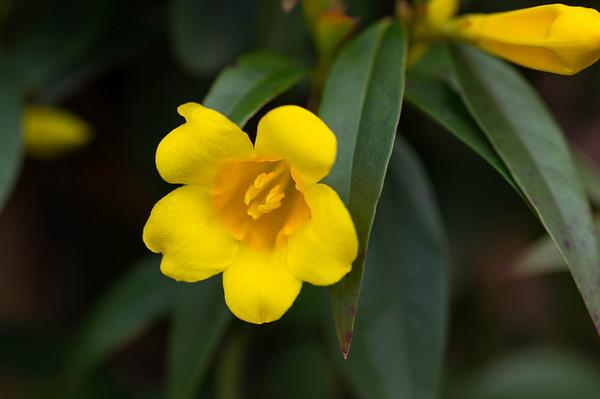
NC's state wildflower, producing masses of fragrant yellow blooms in late winter and early spring — a welcome sight after a coastal winter. Reaches 10–20', deer and salt resistant, and tolerates wet soil and short droughts. Note: all parts are toxic if ingested.
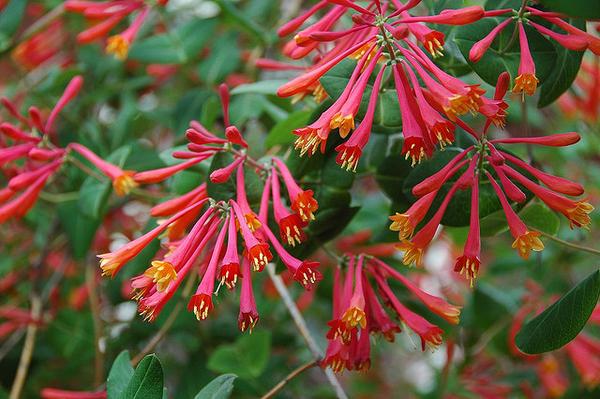
Unlike the invasive Japanese honeysuckle, this well-behaved native produces brilliant red-orange tubular flowers that hummingbirds adore. Evergreen, reaching 10–20'. Resistant to compaction, deer, and salt. Blooms heaviest in spring with repeat flushes.
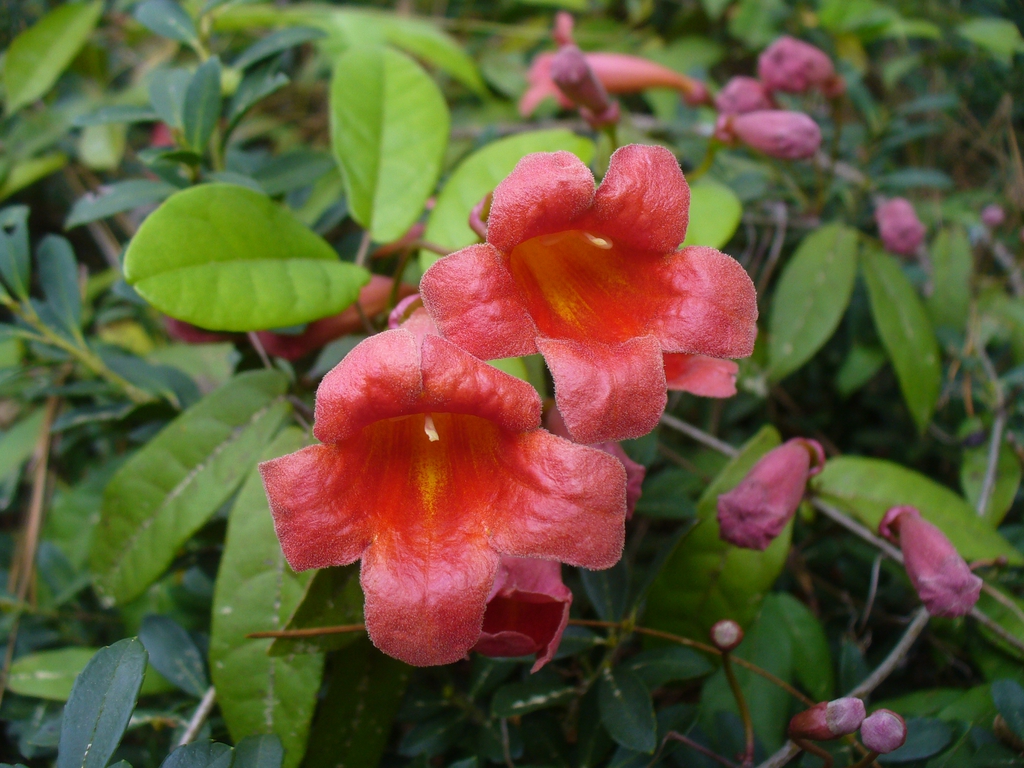
A vigorous evergreen climber to 30–50' with large bicolor orange-red trumpet flowers beloved by hummingbirds. Exceptionally tough — resistant to compaction, drought, heat, and heavy shade. Needs a strong structure with room to grow.
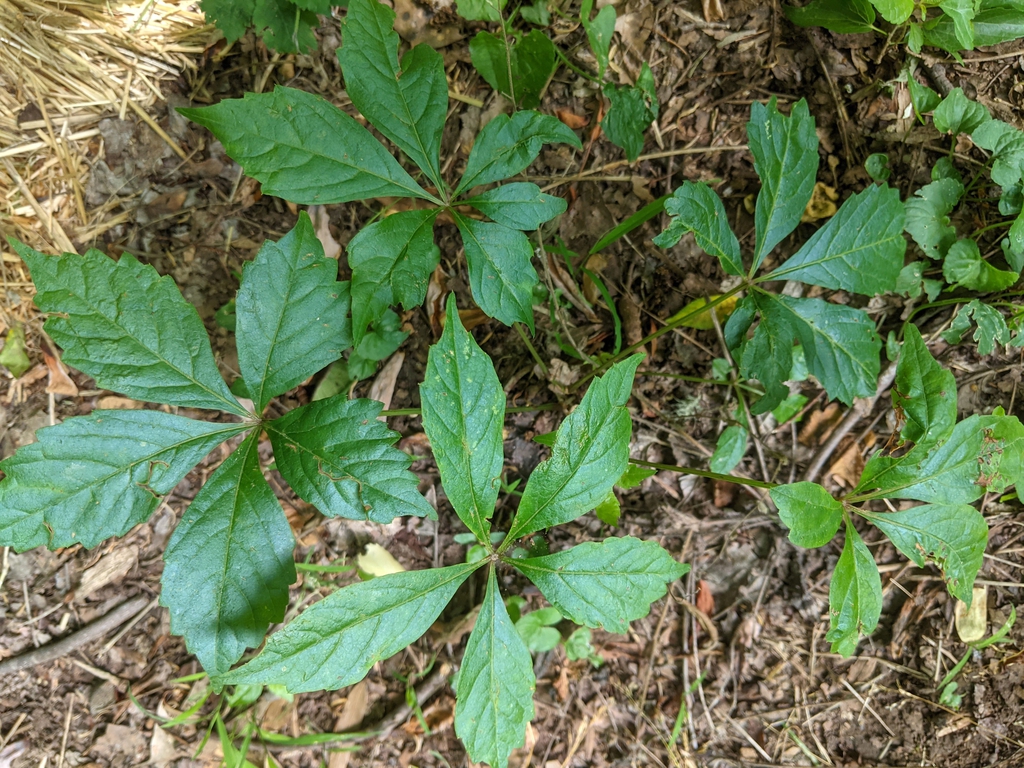
A vigorous native vine with five-lobed leaves that turn scarlet in fall. Berries are eaten by dozens of bird species. Excellent for covering fences, walls, or tree stumps. Self-clinging with adhesive pads and tolerant of sun or shade.
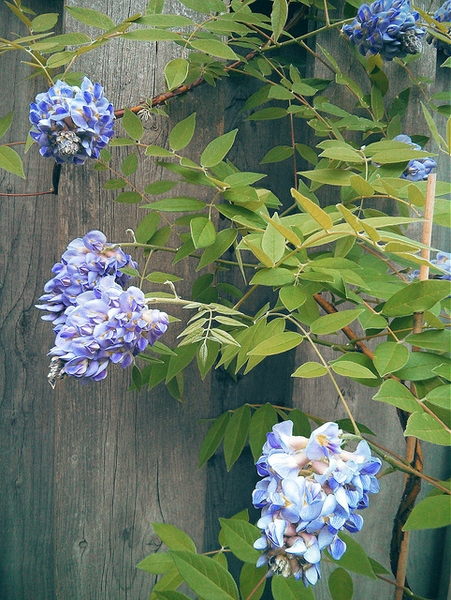
All the gorgeous fragrant lavender flower clusters of Asian wisterias — without the invasive behavior. A well-mannered native vine that blooms reliably in spring and repeat-blooms through summer. Supports native bees. 'Amethyst Falls' is an excellent cultivar.
Resources & Where to Find These Plants
Ready to start planting? These resources will help you identify the right species for your site, find quality local sources, and learn more about creating a thriving native landscape in Coastal NC.
-
NC Extension Gardener Plant Toolbox — Comprehensive profiles for every plant on this list, with regional suitability, care, and wildlife value ratings
- NC Wildflower Society Nursery List — Find nurseries stocking NC native plants near you
Local nurseries near Wilmington carrying native plants include Shelton Herb Farm, Going Native Gardens, Five Oaks, Johnson Nursery, Pender Pines, and Tinga Nursery. Availability varies seasonally — call ahead.
Plant information sourced from Native Plants Recommended for Urban SE Coastal NC Landscapes (NC Cooperative Extension, revised July 2024) and the New Hanover County Groundcovers list (updated 2023).