


Rain gardens do real work. They catch runoff from roofs and driveways, hold it in a shallow bowl, and let it soak in over 24 to 48 hours. On the NC coastal plain, where heavy summer rain events are routine and soils range from sandy to poorly drained clay, they reduce erosion and filter pollutants before water reaches streams. The problem is that most rain garden plant lists hand you cultivars and non-natives that manage water fine but support almost nothing living. Native plants handle the same wet-dry cycle and feed the insects, birds, and pollinators that actually live here.
These are the native species that belong in a coastal plain rain garden, organized by where they go in the planting.
Two Zones, Two Sets of Plants
A rain garden has two distinct zones. The bowl — the lowest point — floods temporarily after rain and drains within a day or two. Plants here need to handle saturated soil and occasional standing water. The margin — the outer edge — stays consistently moist but rarely floods. This is where deeper-rooted shrubs and trees go to stabilize the structure and add height. Getting this gradient right matters more than any individual species choice.
Blue Flag Iris: Start Here
Blue Flag Iris (Iris virginica) is the most dependable native perennial for the wet zone of a rain garden. It grows naturally along pond edges, swales, and wet meadows throughout NC. The lavender-blue flowers open in late spring and draw native bees looking for early pollen. Seed heads persist into fall for wildlife. It spreads gradually by rhizome to fill in the bowl without becoming invasive.
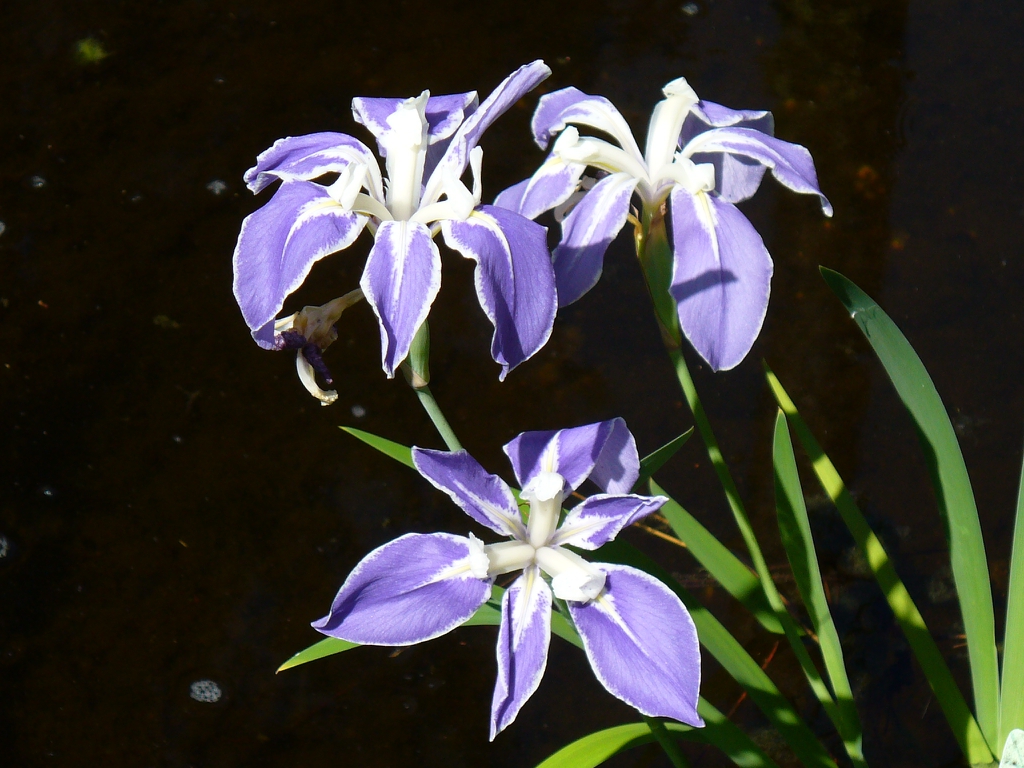
A native iris of wet meadows, pond margins, and swales. Handles periodic flooding and saturated soil. Lavender-blue flowers on 2 to 3 foot stems in late spring. Spreads by rhizome to stabilize wet areas over time.
Trees and Shrubs for the Rain Garden Margin
The outer edge of the bowl stays moist but drains between events. Woody plants here root deeply, hold the soil structure in place, and bring vertical interest to what is otherwise a low planting. These four species are well-suited to the NC coastal plain and easy to source.
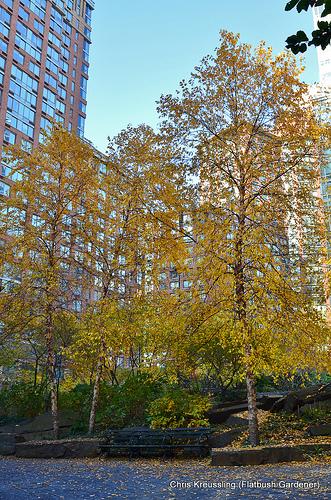
A fast-growing native tree for moist edges and stream banks. Peeling cinnamon bark is distinctive year-round. Seeds feed small birds through winter; catkins support specialist bees in early spring. Handles seasonal flooding without issue.
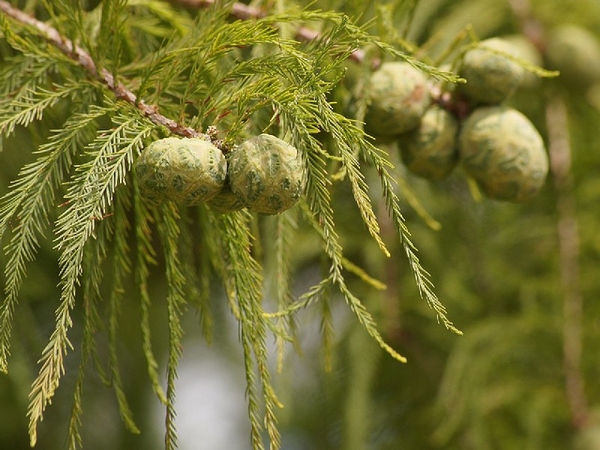
A deciduous conifer native to coastal plain wetlands. Grows in standing water in the wild but adapts well to drier urban sites once established. Long-lived and structurally distinctive, with feathery needles that turn copper-orange before dropping in fall.
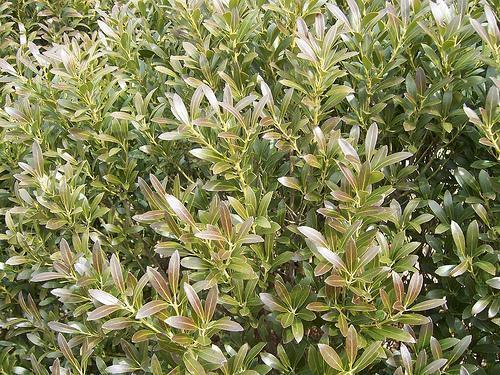
An evergreen native holly that grows naturally in pocosins and wet flatwoods throughout the coastal plain. Small black berries feed migrating birds in fall. A reliable, low-maintenance shrub for the rain garden margin.
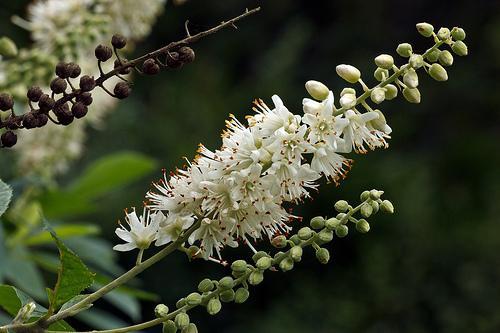
A deciduous native shrub that flowers in July and August when most other woody plants are finished. Fragrant white spikes draw native bees and butterflies. Tolerates shade and wet roots. Native to the NC coastal plain.
Perennials and Grasses for the Bowl
These species go in the lowest part of the rain garden where water pools after rain. They need to handle temporary flooding and recover quickly as the soil drains between events.
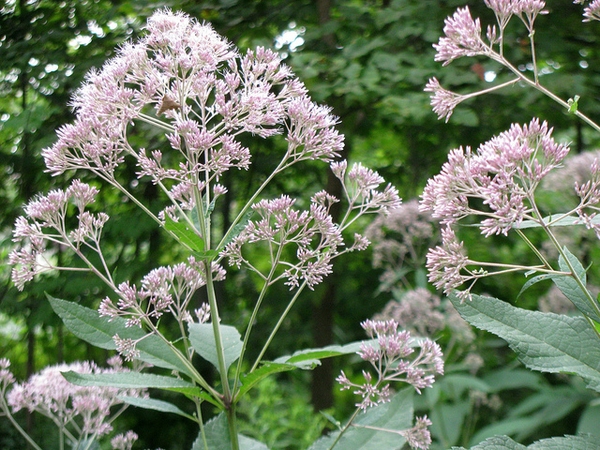
A tall native perennial for moist, sunny spots. Pink to dusty-purple flower heads bloom in late summer and draw tiger swallowtails, skippers, and dozens of native bee species. Reaches 5 to 7 feet in good conditions. Excellent at the inner margin where soil stays consistently moist.
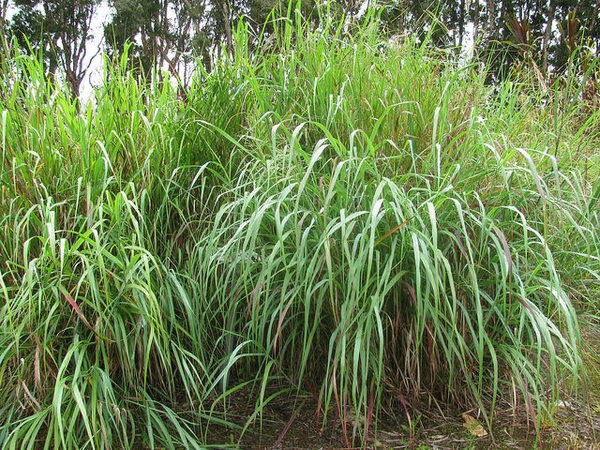
One of the most adaptable native grasses in the Southeast. Found naturally in wet meadows, dry sandy soils, and coastal marshes. Seeds feed sparrows and finches in winter. The airy seed heads bring movement to the garden through fall and into early winter.
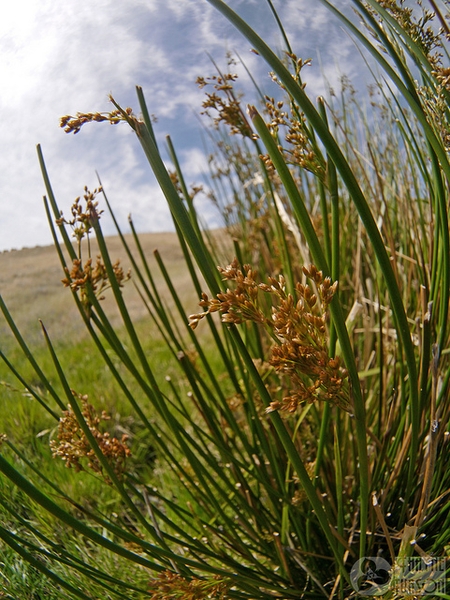
A native rush that grows in dense clumps at pond edges, drainage ditches, and rain garden bowls. Evergreen in mild coastal winters. Provides cover for frogs and small birds. Very low maintenance once established in wet soil.
Add Swamp Rose Mallow if You Have Sun
Swamp Rose Mallow (Hibiscus moscheutos) earns a spot in any wet-soil planting with full sun. The flowers are enormous, sometimes a foot across, and open in shades of pink, white, and deep red from July through September. It dies to the ground in winter and returns from the roots each spring. Native specialist bees in the genus Ptilothrix depend on hibiscus pollen and nest nearby. It is a statement plant for the center of a sunny rain garden bowl.
A native perennial hibiscus for wet, sunny spots. Flowers up to 12 inches across bloom July through September. Supports specialist Ptilothrix bees and other native pollinators. Dies to the ground in winter, returns reliably in spring from established roots.
If you want a more systematic approach to planting for your zone and bed size, the Quarterly Seed Subscription Box launches in July 2026. Each box includes companion-planted seed packets with a planting layout card and science card that explains why the pairings work. The waitlist is open now at the link below.