

Ruby-throated Hummingbirds (Archilochus colubris) return to North Carolina in early April. By May they are nesting and moving through neighborhoods, looking for fuel. What they find in your yard depends entirely on what you planted.
Native plants match hummingbird needs in ways non-natives cannot. The bloom timing, flower shape, and nectar chemistry evolved together over millions of years. This guide covers the most reliable native species for a coastal plain hummingbird garden, from first spring flowers through late summer.
Why Tubular Native Flowers Work
Hummingbirds are drawn to red and orange tubular flowers because their long bills fit the corolla perfectly. Many of these flowers produce nectar in quantities that justify a hovering visit. They also bloom in a sequence that mirrors hummingbird movement through the region. In the NC coastal plain, spring arrivals come when Red Buckeye is in bloom. By midsummer, Cardinal Flower and Swamp Rose Mallow keep birds feeding through the late season.
Non-native ornamental salvias and red feeders can supplement food, but they do not offer the full ecological picture. Native flowers also support the insects that hummingbirds depend on. Small flies, gnats, and aphids make up a significant portion of a hummingbird's diet, especially during nesting. A plant that supports insects supports hummingbirds in two ways at once.
Start with Red Buckeye
If you plant one tree for hummingbirds in the coastal plain, Red Buckeye (Aesculus pavia) is the most strategic choice. It blooms in late March through April, exactly when Ruby-throated Hummingbirds arrive in NC. The clusters of tubular red flowers are structured for long-billed visitors. Few insects can access the nectar, which means hummingbirds get the reward with little competition.
Red Buckeye is a small understory tree, typically 10 to 15 feet tall, which makes it manageable in a backyard planting. It tolerates part shade and performs well in the moist, slightly acidic soils common in the coastal plain. The seeds are toxic, which tends to keep deer pressure low.
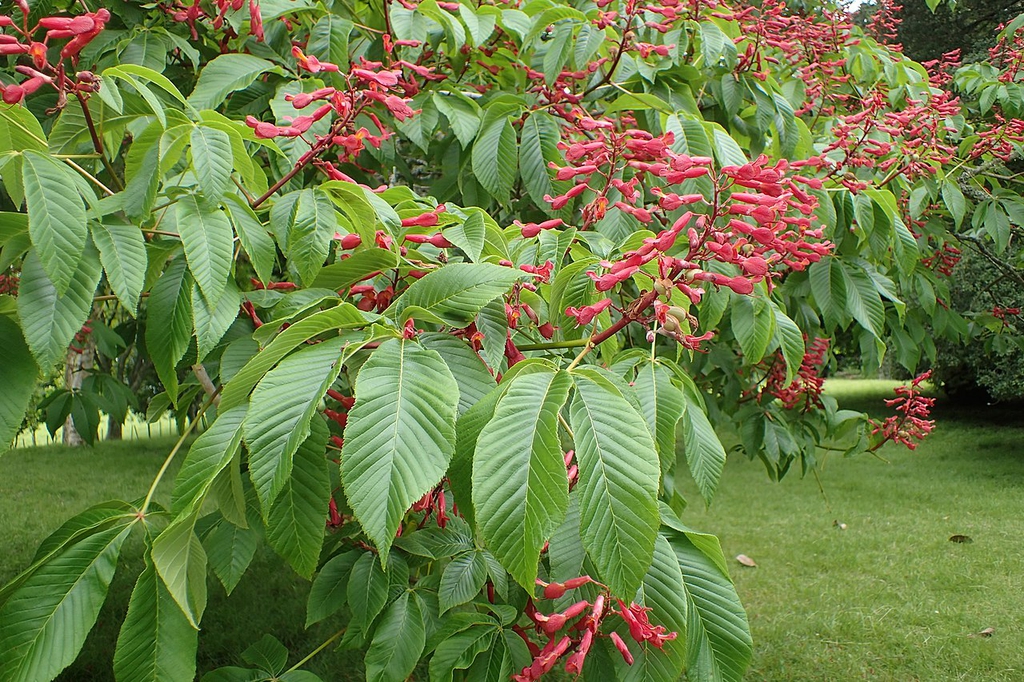
A small native understory tree blooming in late March through April with panicles of tubular red flowers timed almost perfectly to Ruby-throated Hummingbird arrival. Found naturally along stream edges and shaded slopes in the NC coastal plain and piedmont. Toxic seeds keep deer browsing low.
Plants That Carry Through Summer
Red Buckeye peaks in April — these four species extend the season through fall migration.
Once the buckeye finishes flowering, hummingbirds still need food for months. A layered planting with staggered bloom times keeps birds returning. Wild Columbine bridges spring into early summer. Spotted Bee Balm peaks in July alongside the broader pollinator community. Cardinal Flower blooms through September right when southbound hummingbirds need fuel for migration. Swamp Rose Mallow stretches into August and September.
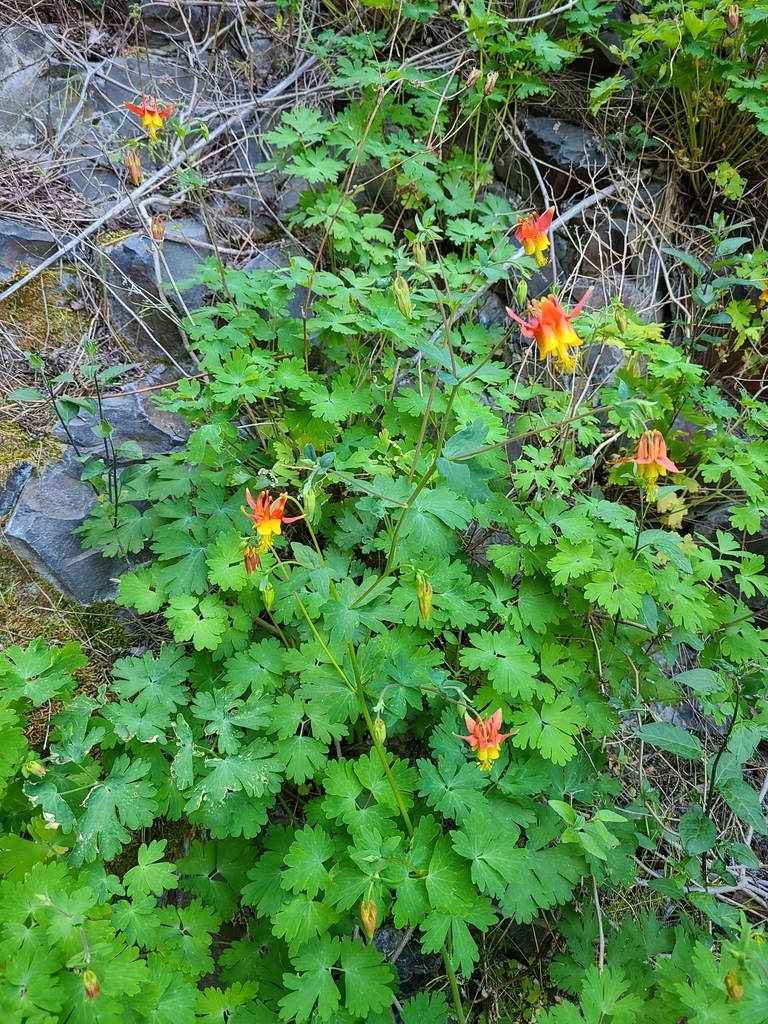
Red and yellow nodding flowers bloom April through May in part shade to full sun. The long backward-pointing spurs hold nectar accessible mainly to long-billed visitors. Tolerates lean, rocky, or dry soils and self-seeds in disturbed areas along the forest edge.
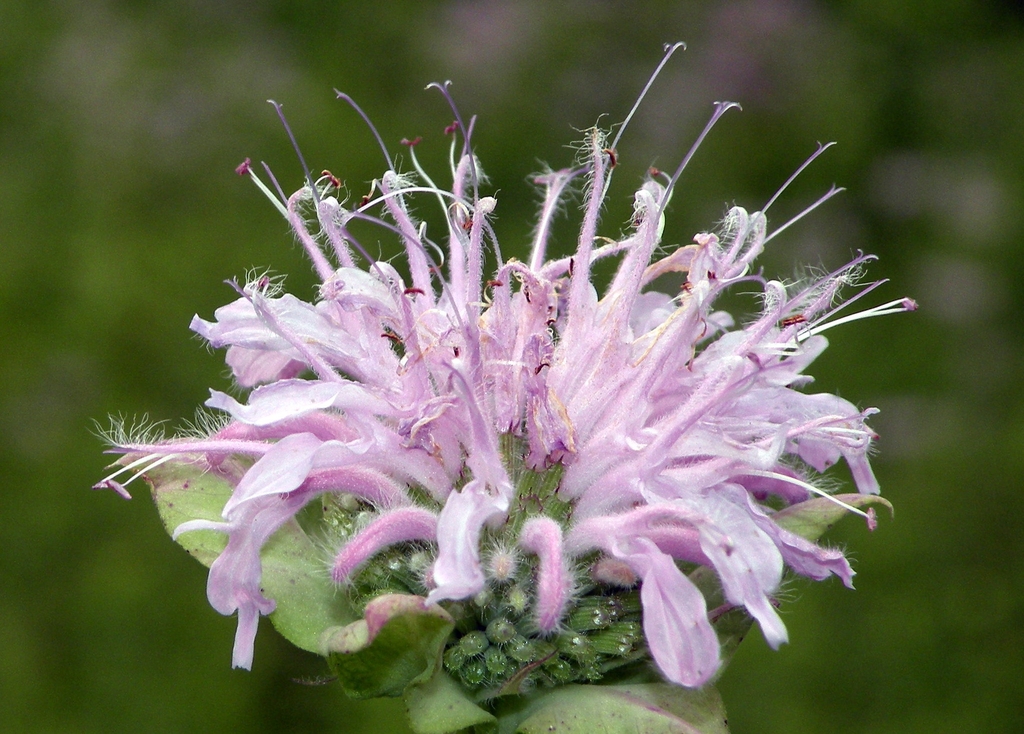
A native of sandy, well-drained soils throughout the NC coastal plain. Blooms midsummer in stacked whorls of yellow-spotted flowers with pale pink to lavender bracts. Visited by hummingbirds and a wide range of native bees, including several specialist species that rely on Monarda specifically.
One of the most reliable hummingbird plants in eastern North America. Brilliant red flower spikes bloom July through September along stream banks and wet meadow edges. Grows statewide in NC, including coastal plain wetland margins. Short-lived as a perennial but self-seeds readily in moist soils.
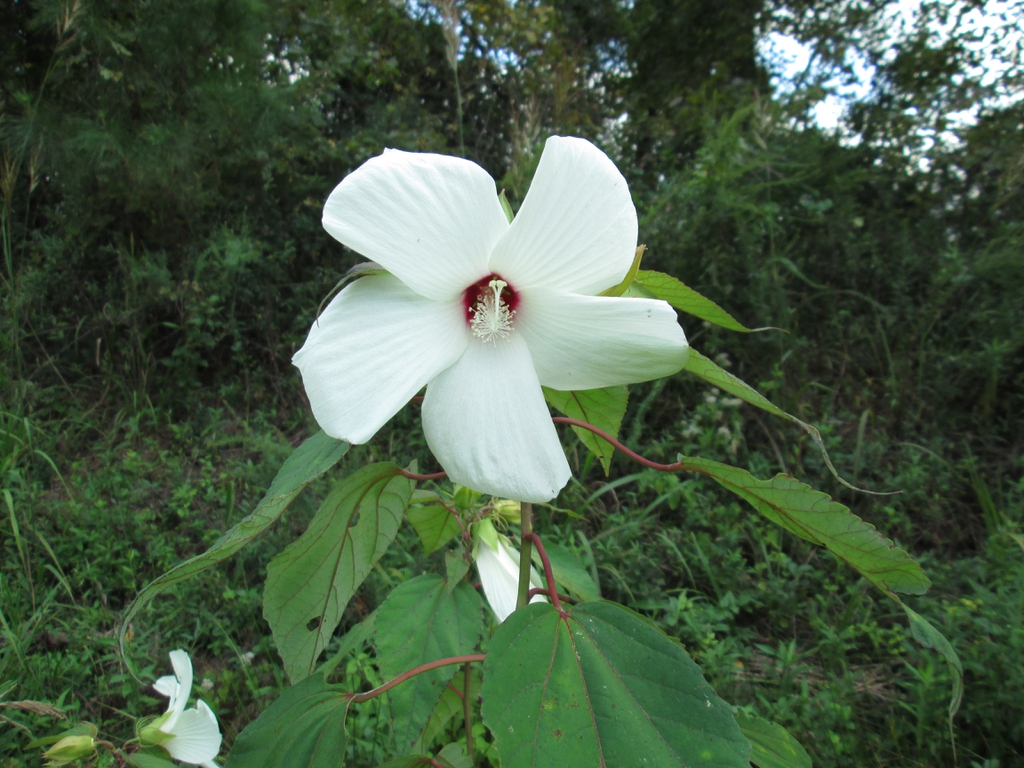
Large dinner-plate flowers in white, pink, or deep red bloom August through September. Native to coastal plain marshes and wetland margins. One of the last native species flowering when hummingbirds begin moving south in early fall, which makes it particularly valuable for migrants fueling up before departure.
Putting It Together
The goal is a sequence, not a single standout plant. Red Buckeye in April, Wild Columbine in May, Spotted Bee Balm in July, Cardinal Flower through September, and Swamp Rose Mallow into early fall. If you can plant across that window, hummingbirds will treat your yard as a reliable stop rather than a one-time visit.
Vertical structure helps too. Coral Honeysuckle (Lonicera sempervirens) blooms from spring through fall and grows up fences or trellises without the aggressive spread of Japanese Honeysuckle. It is consistently one of the most visited native vines in southeastern hummingbird gardens.
Finally, shade matters. In the coastal plain heat, hummingbirds need cover between feeding bouts. A yard with native trees, flowering perennials, and a water source holds birds longer than a feeder surrounded by open lawn. The plants do most of the work when they are chosen with the full habitat picture in mind.