


Sandy soil gets treated like a problem. If you garden in coastal North Carolina, you know the conversation: fast-draining, low in organic matter, quick to dry out. The standard advice is to amend it. Add compost, fight the texture, try to make it something it is not. But for a long list of NC native species, sandy soil is not a deficiency. It is exactly what they evolved for.
The coastal plain's longleaf pine savannas, pocosins, and maritime shrublands all run on sandy, low-nutrient soils. The plants that built those communities are still the plants best suited to your yard. Here are six worth growing.
Why Coastal Plain Soils Work in Your Favor
The soils of the NC coastal plain are old, weathered, and fast-draining. That sounds like a gardening problem. It is not, for native species. Most cultivated plants need consistent moisture and nutrients. Most coastal plain natives do not. They root deeply, fix their own nitrogen, or specialize in low-phosphorus conditions that would slow a non-native shrub. When you plant species suited to sandy soils, you stop fighting your site and start working with what is already there.
The Standout Shrub for Coastal Sandy Sites
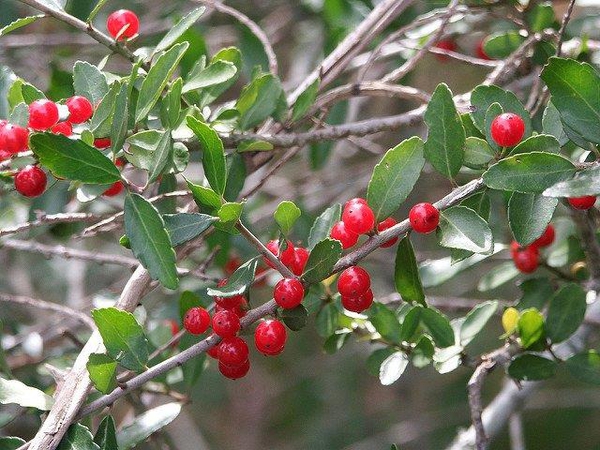
Yaupon Holly is the most salt-tolerant and drought-tolerant native shrub in the coastal plain. It grows in full sun to part shade, holds its shape without heavy pruning, and produces heavy red berry crops that feed birds through winter. It also happens to be the only native North American plant with significant caffeine — historically used as a ceremonial tea by Indigenous peoples of the Southeast.
Grasses and Perennials for Sandy Sites
Low-nutrient soil is no barrier for these species
The grasses and perennials below all naturalize in sandy, well-drained soils. Most are slow to establish in their first season because they are investing in root systems, not top growth. By year two or three, they fill in without intervention and begin outcompeting weeds once the root network is in place.
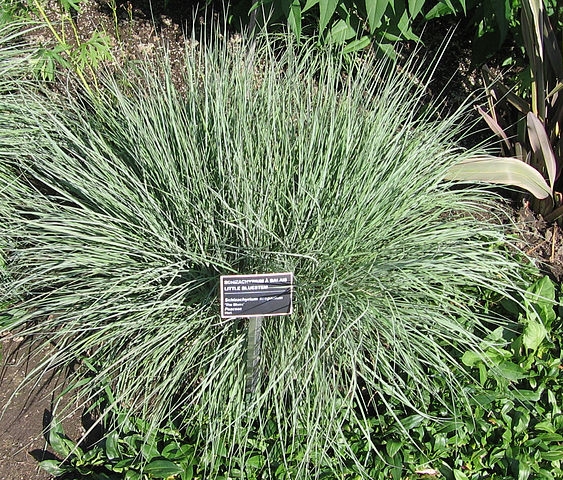
One of the dominant grasses of the longleaf pine savanna. Little Bluestem (Schizachyrium scoparium) turns copper-red in fall and holds feathery seed heads through winter, feeding small songbirds. It thrives in poor, dry soils and declines in rich ones — planting it in native sandy conditions is the right call.
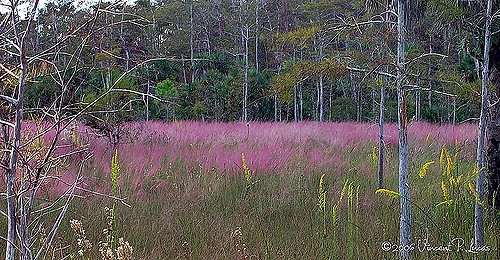
Native to the southeastern coastal plain, Pink Muhly Grass (Muhlenbergia capillaris) produces a cloud of rosy-pink seed heads in fall. It performs best in full sun and dry, sandy soils — conditions that stress most ornamental grasses but are exactly what this species is built for.
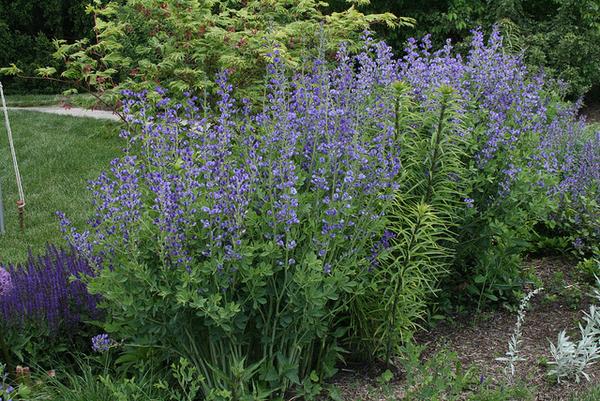
Wild Indigo fixes atmospheric nitrogen, meaning it improves the soil around it without inputs from you. Deep taproots make it drought-resistant once established. The flower spikes in spring attract bumblebees and specialist native bee species that depend on this genus.
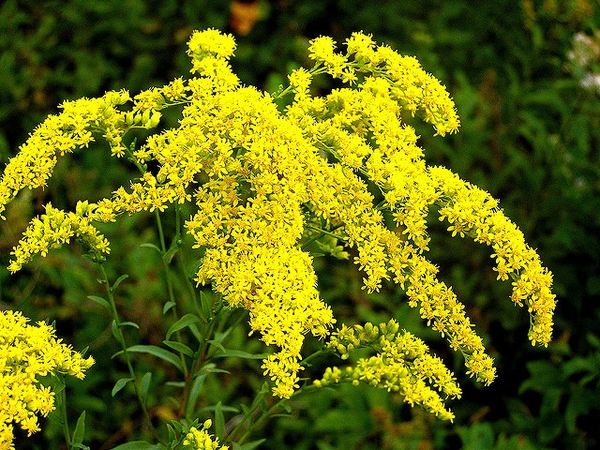
Gray Goldenrod (Solidago nemoralis) is one of the most drought-tolerant goldenrods and a natural fit for dry, sandy soils. It is among the highest-value plants for native bees and late-season pollinators. Do not blame goldenrod for hay fever — its heavy pollen is insect-moved, not wind-dispersed.
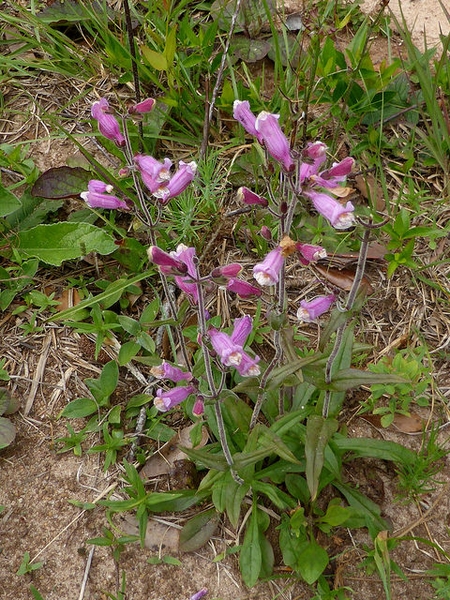
Native to sandy soils of the southeastern coastal plain, Southeastern Beardtongue (Penstemon australis) produces tall spikes of tubular pink-lavender flowers in late spring. It attracts bumblebees and native bee species adapted to its flower shape and is one of the few penstemons reliably suited to the Southeast's heat and soil conditions.
One More to Add: Wax Myrtle
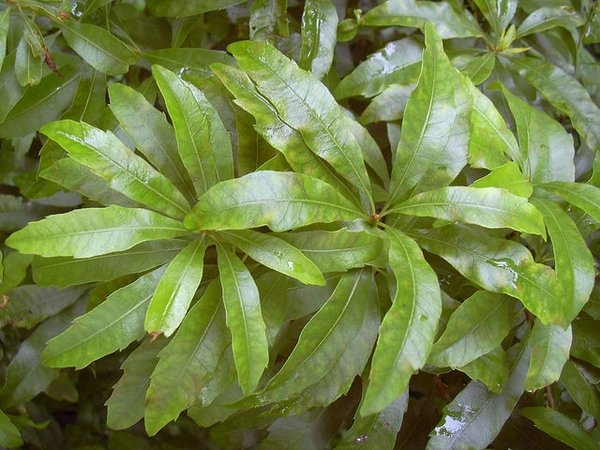
Wax Myrtle (Morella cerifera) earns its own section because it handles more site conditions than almost any other native coastal plain shrub. Sandy and well-drained on one end, periodically waterlogged on the other. Salt spray along the coast. Full sun to part shade. It grows fast, fixes nitrogen, and produces waxy blue-gray berries that are the primary winter food for Yellow-Rumped Warblers. If you need a windbreak, a privacy screen, or something to anchor an exposed site, Wax Myrtle is the plant.
What Not to Do
In the first season, water during extended dry periods to support root establishment. After that, most of these species are self-sufficient under the conditions described. Cutting grasses and perennials back in late winter before new growth emerges keeps them tidy, but it is not required for plant health.