
Most native plant advice assumes full sun. Sunny meadow, open borders, south-facing beds. That leaves a lot of NC gardeners without good options — the ones with established tree canopy, dense oak shade, or north-facing areas that never see direct afternoon light.
NC's forests are full of plants that evolved under canopy. Shade is not a problem to work around. It is its own plant community, and it has real things to offer.
Start with the Shrubs
Understory shrubs carry a shade garden. They give the space structure through winter, support insects all season, and do most of the wildlife work. These three grow well under a deciduous canopy with filtered or dappled light.
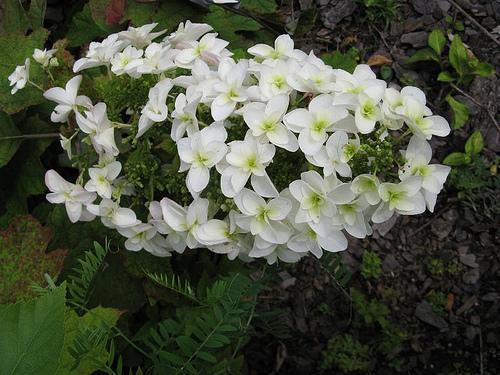
A large understory shrub native to the Southeast. Cream-white flower panicles in early summer give way to papery dried clusters that persist into winter. The exfoliating bark is striking in the bare season. Fall color runs deep burgundy and orange. Handles dry shade better than most native shrubs, which makes it especially useful under established trees.
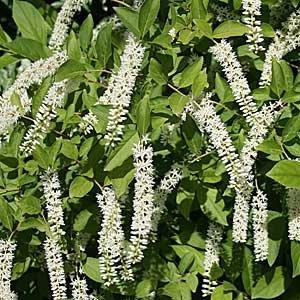
A mid-size shrub with fragrant white flower spikes in June. Fall color ranges from deep red to orange-red and holds longer than most shrubs. Tolerates partial shade and wet soils — a solid choice for low spots at the edge of a canopy.
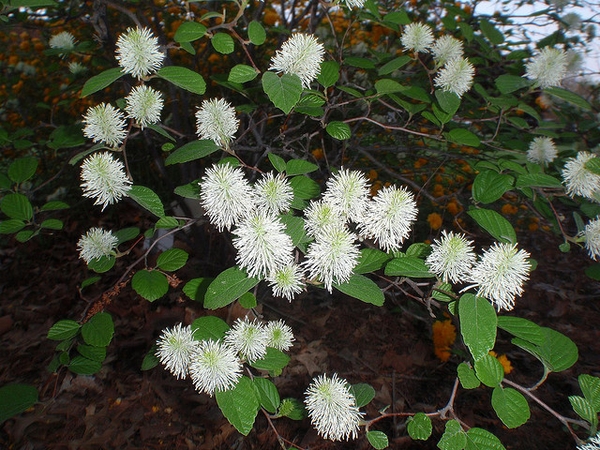
Bottlebrush-shaped white flowers appear before the leaves in early spring, making this one of the first shrubs in a shade garden to bloom. Multi-season: spring flowers, summer foliage, brilliant yellow-orange-red fall color. Dwarf Fothergilla stays under 3 feet and fits well in smaller spaces.
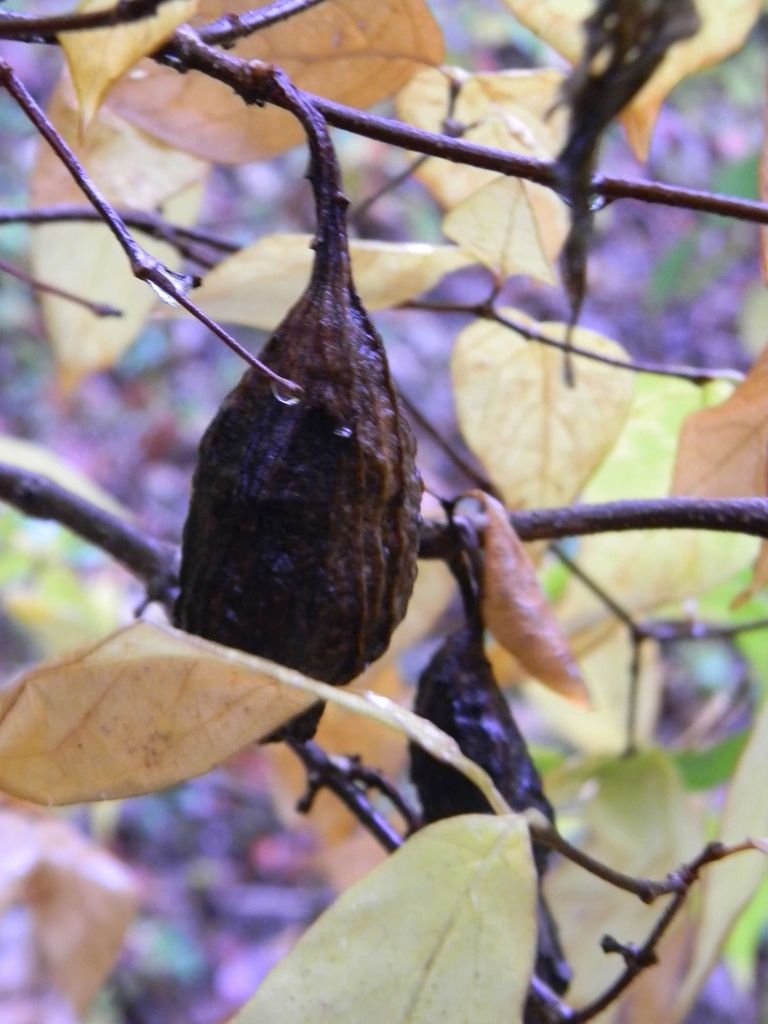
Also called Sweetshrub. Dark reddish-maroon flowers in late spring have a strong fruity fragrance — strawberry or banana, depending on the individual plant. A large, spreading shrub for partial to full shade in moist woodland edges. Seeds are eaten by small mammals and songbirds.
Perennials and Groundcovers
Beneath the shrubs, native perennials fill in the lower layer. Most bloom in spring and early summer when the canopy is still thin. By midsummer they hold the space with foliage and continue feeding insects through the season.
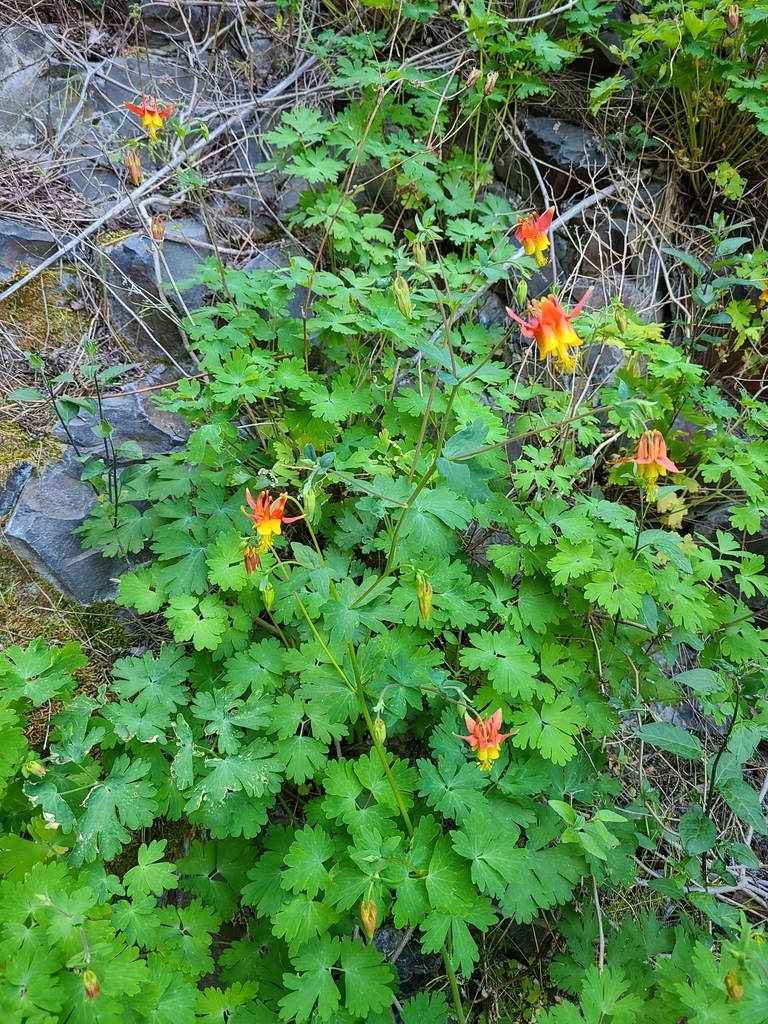
Nodding red and yellow flowers in April and May are an early-season nectar source for Ruby-throated Hummingbirds and native bees. Prefers dappled light with well-drained or rocky soil. Self-seeds freely and forms colonies over time. Short-lived as individuals but persistent as a group.
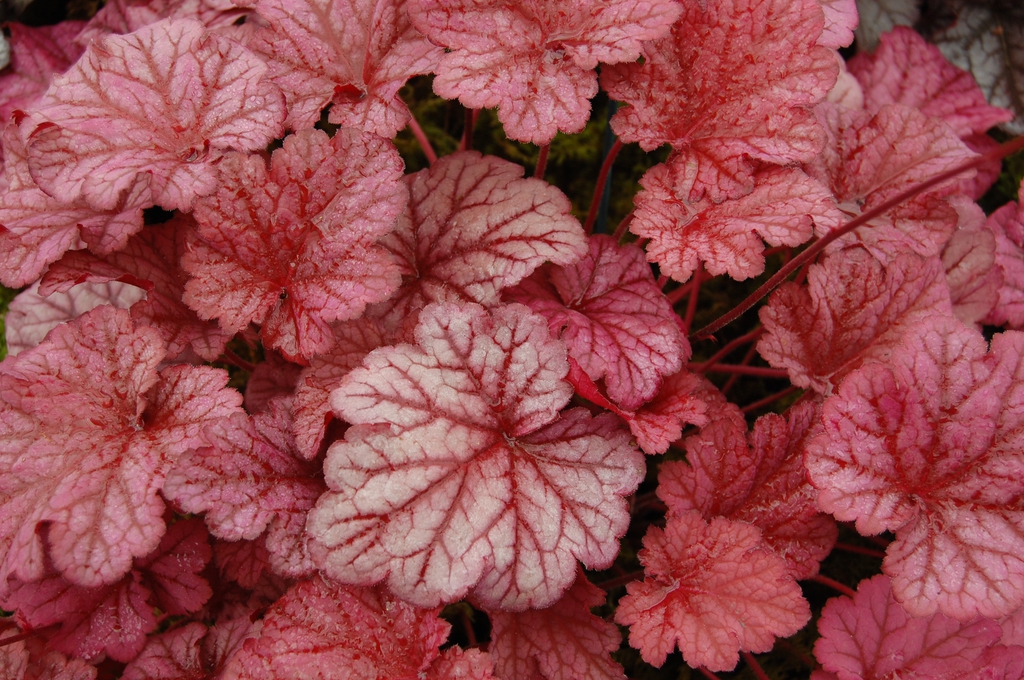
The native Coral Bells — distinct from the many non-native hybrids sold at most nurseries. Mounded, semi-evergreen foliage with subtle bronze-purple tones. Tiny white flowers on wiry stems in late spring. Good as edging or a groundcover in partial shade. Look for the straight species for wildlife value.
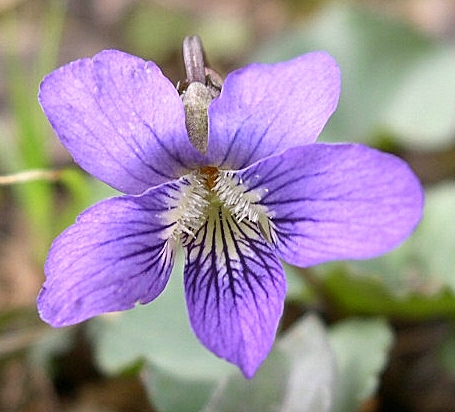
NC has more than a dozen native Viola species, most preferring partial shade and moist to average soil. They are the larval host plant for multiple fritillary butterfly species, including the Great Spangled Fritillary, Meadow Fritillary, and Variegated Fritillary. Spring flowers also feed early native bees.
For the Shadiest Spots
If you are working with dense, dry shade under a large evergreen or a north-facing bed that gets almost no direct light, most plants on this list will still struggle. These two are built for those conditions.
A spreading groundcover with large heart-shaped leaves that form a dense mat in deep shade. Inconspicuous maroon flowers bloom at soil level in early spring. Spreads slowly but reliably and suppresses weeds once established. More common in piedmont and mountain NC than the coastal plain.
One of the most shade- and drought-tolerant ferns in North Carolina. Stays green through winter and looks good year-round. Works under established trees where little else will grow. If you have one truly difficult dark and dry spot, this fern is the practical answer.