


Most gardeners reach for a bag of fertilizer when their soil needs help. But NC native plants offer something more durable. They feed the soil through their own biology: nitrogen-fixing roots, deep fibrous systems that pull carbon underground, seasonal decomposition that builds organic matter year after year. The plants that evolved here know how to do this work.
These five species improve soil through different mechanisms. Planted together, they make each other more effective.
Legumes That Feed the Soil
Legumes form partnerships with soil bacteria in the genus Rhizobium. The bacteria colonize the plant's roots and convert atmospheric nitrogen into a form plants can use. This is nitrogen fixation, and it happens underground with no input from the gardener. When the plant sheds root matter or dies back, that fixed nitrogen stays in the soil and becomes available to everything nearby.
Wild Indigo (Baptisia spp.) is one of the most effective native nitrogen-fixers for NC gardens. It is also deeply long-lived. An established plant can persist in the same spot for decades, quietly improving soil chemistry the whole time.
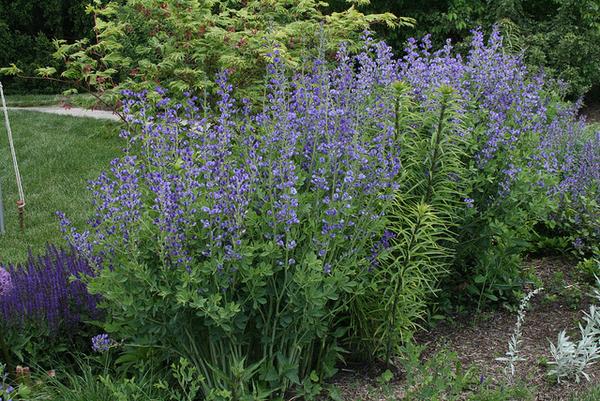
A long-lived perennial that fixes atmospheric nitrogen through root bacteria. Blue-purple flower spikes rise in spring, followed by inflated seed pods that rattle in fall. Deep taproot makes it drought-tolerant once established and very resistant to disturbance. Plant it where it can stay.
Deep Roots, Long Memory
Root depth matters more than most gardeners realize. Native prairie grasses of the Southeast grow roots several feet into the ground. When those roots die back each winter and regenerate in spring, they deposit organic carbon deep in the soil profile. Over time, this builds the loose, moisture-retaining structure that supports everything else growing nearby. Sandy coastal soils benefit especially, because amendments applied at the surface never hold in porous ground the way root-deposited organic matter does.
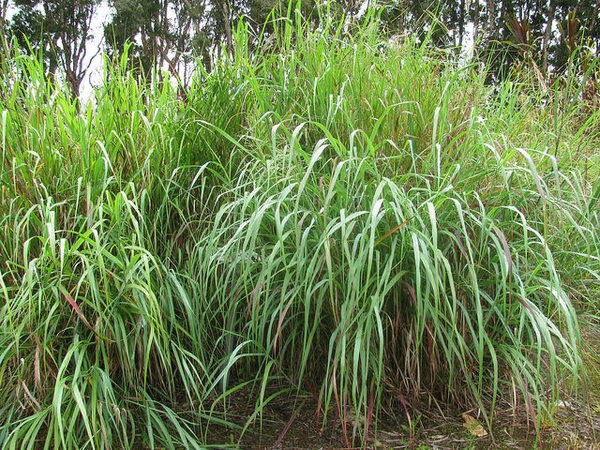
Native to NC coastal plain and piedmont. Deep fibrous roots build soil organic matter as they cycle through winter dieback and spring regrowth. Winter seed heads feed sparrows and finches. Hollow stems provide nesting sites for cavity-nesting native bees.
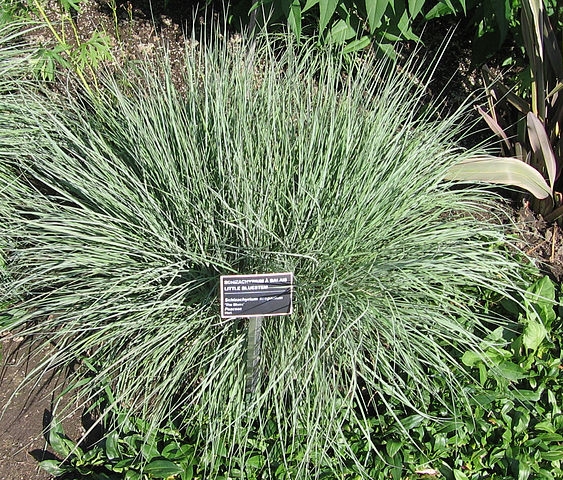
A fine-textured bunchgrass with rust-orange fall color that persists through winter. Dense root mass contributes organic matter and creates pore space in compacted soils. Handles the dry, sandy soils of NC's coastal plain where surface amendments wash through without holding.
Holding It All Together
Erosion is the fastest way to lose built-up soil health. Rain hits bare ground and carries topsoil with it. Native groundcovers and perennials with dense root mats slow runoff, hold particles in place, and let water infiltrate rather than sheet off the surface. On slopes and near drainage areas, this is the most important work a plant can do.
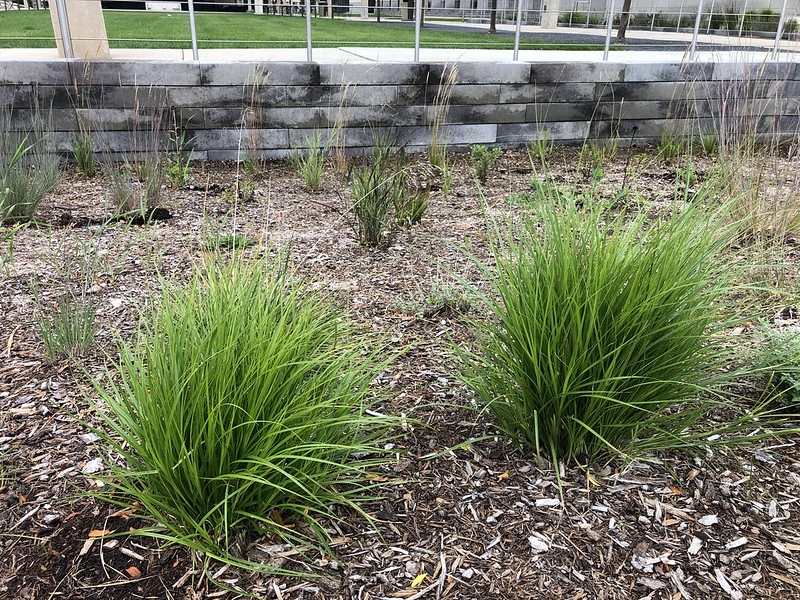
Multiple NC native sedge species fill roles from full shade to sunny wet margins. Dense clumping growth holds topsoil on slopes and near water. Sedges handle the wet, heavy clay soils common in coastal NC that would stress most other perennials.
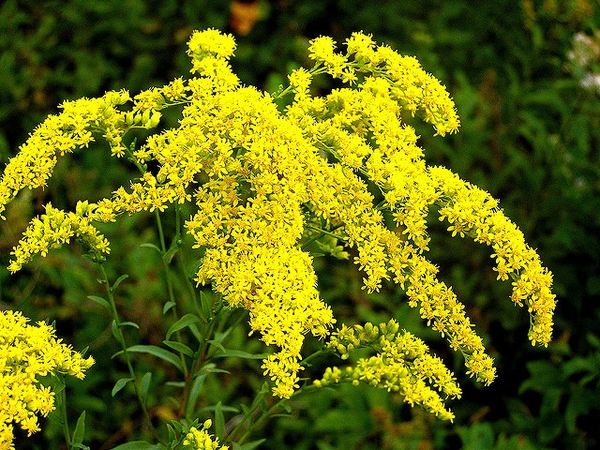
Wrinkleleaf Goldenrod is common to NC coastal plain wetland margins. Spreading rhizomes bind moist soils while fall blooms feed pollinators before first frost. Above-ground biomass breaks down into slow-release organic matter over winter, feeding the soil in the season it needs it most.
Why These Plants Work Better Together
Soil biology is a network. Nitrogen-fixers donate surplus nitrogen that feeds the grasses growing nearby. Deep-rooted species create channels that let shallower-rooted groundcovers access moisture lower in the soil profile. Decomposing leaf litter from one plant feeds the mycorrhizal fungi that help its neighbors take up phosphorus.
This is why native plant combinations outperform monocultures over time. The plants share resources underground in ways that don't always show above ground until the third or fourth season. Once the system is established, it maintains itself.
Timing matters too. Fall planting gives roots six months to establish before spring warmth triggers above-ground growth. Grasses go in first in fall. Wild Indigo and Goldenrod follow in spring once the soil is workable. Sedges fill wet gaps wherever moisture collects. The result is a garden that builds fertility instead of depleting it.