


Native shrubs are some of the most useful plants you can add to a NC yard. They anchor borders, support nesting birds, feed pollinators across multiple seasons, and they stay in the ground year after year without much fuss. The hard part is knowing which ones to pick.
These six are coastal plain-tested. They handle the clay-sand mix, the summer humidity, and the occasional flood or drought that comes with gardening east of I-95. All of them are at home in Zone 8a through 9a.
Start with a Keystone
Some plants change the ecological character of a yard. Wax Myrtle (Morella cerifera) is one of them. It fixes nitrogen, produces waxy blue-gray berries that feed fruit-eating birds from fall through late winter, and provides dense cover for nesting. It tolerates salt spray, wet swales, and dry sandy slopes equally well. Plant it somewhere it has room to grow, or shear it into a smaller form if your space is tight.
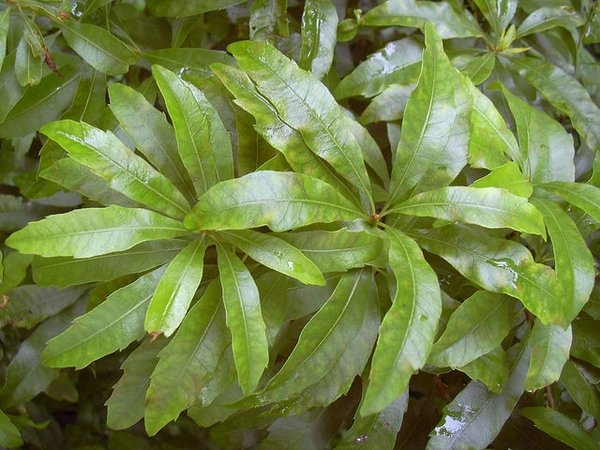
An evergreen shrub to small tree native to the NC coastal plain. Waxy blue-gray berries feed more than 40 bird species from fall through late winter. Extremely adaptable: tolerates salt spray, wet feet, and dry sandy soil.
Three Shrubs for Pollinators and Summer Bloom
Flowers that matter when spring has passed.
Summer is when a lot of yards go quiet. These three bloom from June through August and bring in bees, hummingbird moths, and skippers when the spring wildflowers are long done.
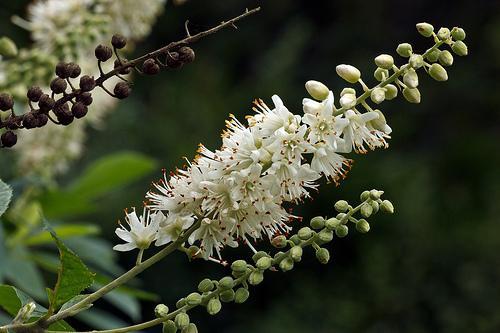
Fragrant white flower spikes in July and August bring in bumblebees, sweat bees, and hummingbird moths. Grows 4 to 8 feet. Tolerates wet soil and part shade, and gives you good fall foliage color.
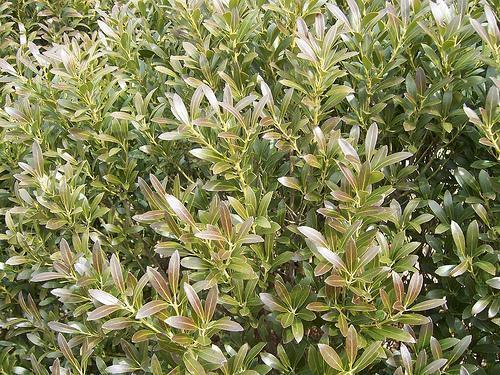
A tough evergreen holly native to coastal plain pocosins and wetland edges. Small black berries feed birds in late winter when little else is available. Handles poorly drained spots that other shrubs won't tolerate.
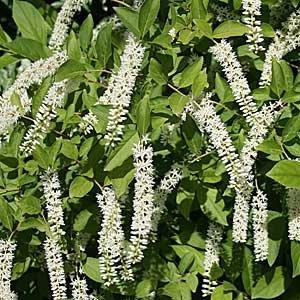
Fragrant white flower racemes in early summer, followed by some of the best fall color from any native understory shrub. Works in sun or part shade, wet or dry. Consistently underused.
Two More for Fall and Winter Color
A yard that goes quiet in September is a missed opportunity. These two give you flowers in early spring, then berries and foliage color through fall and into winter.
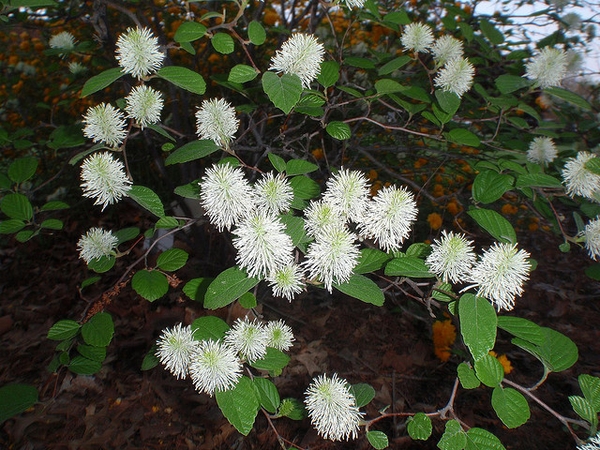
Bottlebrush white flowers appear in early spring before the leaves. Fall brings red, orange, and yellow foliage all on the same plant. Coastal Fothergilla tops out around 3 feet, making it one of the easier native shrubs to fit into a smaller space.
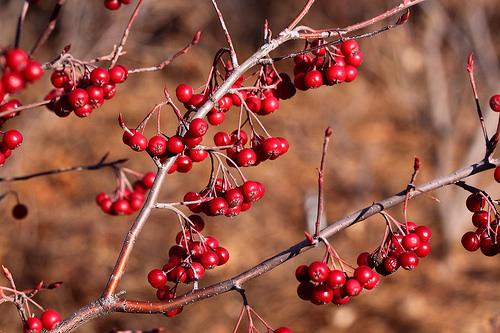
Small white spring flowers, persistent red berries through winter, and reliable fall foliage. Birds eat the fruit; humans can too, though the common name gives fair warning about the astringency. Tolerates wet, heavy clay soil.
A Note on Nursery Stock
Native shrubs are easier to find than they were five years ago, but the label matters. A Wax Myrtle propagated from Florida seed stock will behave differently in Wilmington than one grown from local NC provenance. When you have the choice, ask where the plant was grown from. Local ecotypes are always the stronger ecological investment.
Named cultivars exist for several of these species and they are fine choices, especially if you need a compact form. They still support more wildlife than most non-native alternatives. But straight species from local sources are what to look for if ecological function is your goal.