


June in North Carolina means the spring rush is winding down and something different is taking over. The showy spring ephemerals are gone. What blooms now is built for heat, insects, and the long days of early summer. These are the wildflowers that native bees, butterflies, and beetles depend on when the calendar flips from May to June.
Most of these plants thrive in the NC coastal plain and Piedmont without extra irrigation once established. A few are so tough they seed into disturbed roadsides on their own. That is the point of native plants — they already know what to do.
The Shift Happens Fast
If you watched your yard or a local meadow in April and May, you saw violets, chickweed, and the early asters. By mid-June the canopy is full, light conditions on the forest floor change, and open-structure plants with their own sun-gathering strategy take center stage.
The wildflowers that bloom in June in NC are mostly sun-lovers. They evolved for open fields, edges, and disturbed ground — the kinds of habitats that fire, flooding, and foraging animals used to maintain. Without those forces, gardens and yards are some of the best places left for them to thrive.
Black-Eyed Susan
Black-Eyed Susan (Rudbeckia hirta) starts blooming in June across most of NC and keeps going well into September. It is one of the most broadly useful native wildflowers for insect life. The flowers provide pollen and nectar to a wide range of bees — including native sweat bees, bumblebees, and small carpenter bees. The seeds that follow feed goldfinches and other seed-eaters through fall and winter.
It grows in full sun and tolerates dry, poor soil. In coastal plain conditions — sandy, fast-draining — it performs well without amendment. Allow it to self-seed and it will naturalize in sunny spots without any effort on your part.
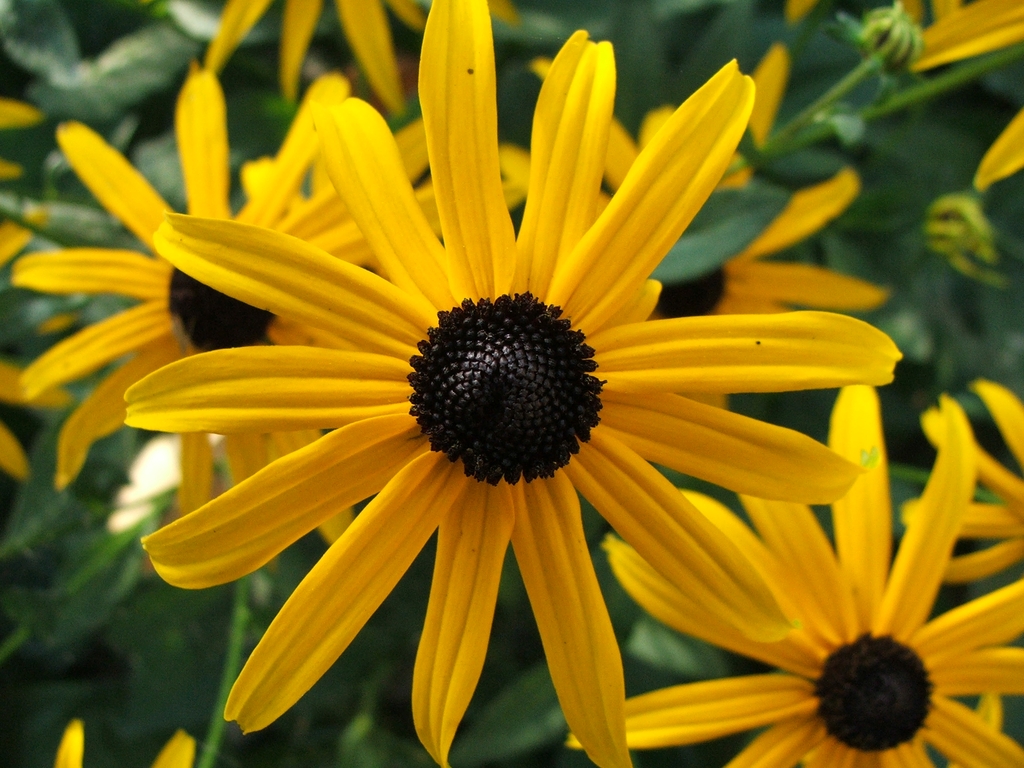
A June-to-September bloomer built for sun and poor soil. Attracts a broad range of native bees, supports seed-feeding birds, and self-seeds reliably in meadow edges and disturbed ground.
Four More Natives for the June Window
These four species overlap with or follow Black-Eyed Susan in the June bloom window. Each fills a different niche — in height, soil preference, or the specific insects it feeds.
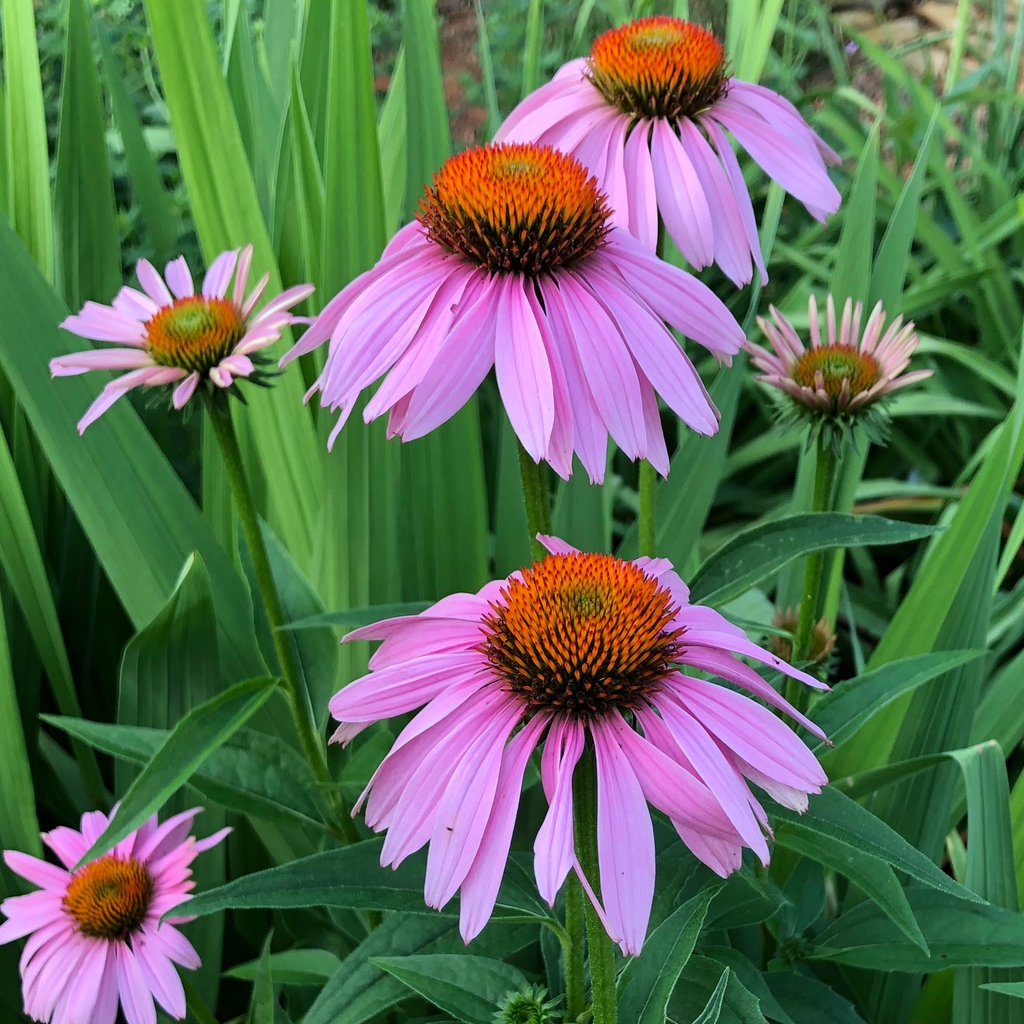
Blooms June through August. Long-tubed disc flowers bring in specialist bees and butterflies. The spiny seed heads persist through winter and draw finches. Best suited to well-drained full-sun sites in the Piedmont and upper coastal plain.
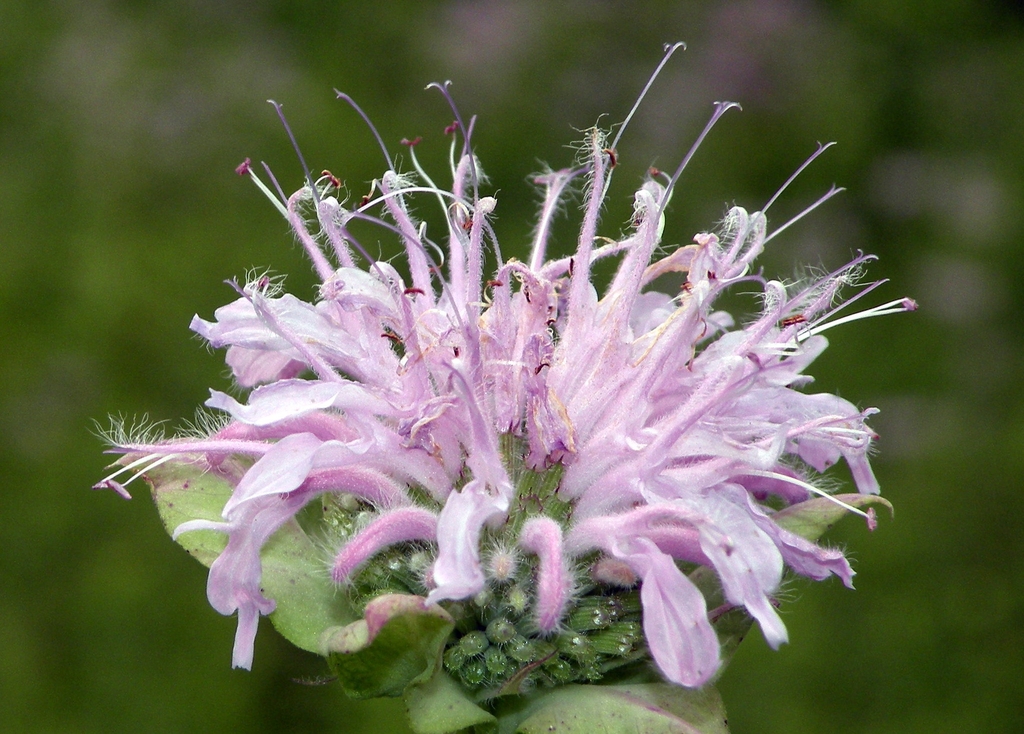
Flowers in June and July. Tubular blooms feed long-tongued bumblebees and ruby-throated hummingbirds. Spreads by rhizome in sunny spots and the aromatic foliage is deer resistant. Thrives in average to dry, well-drained soil.
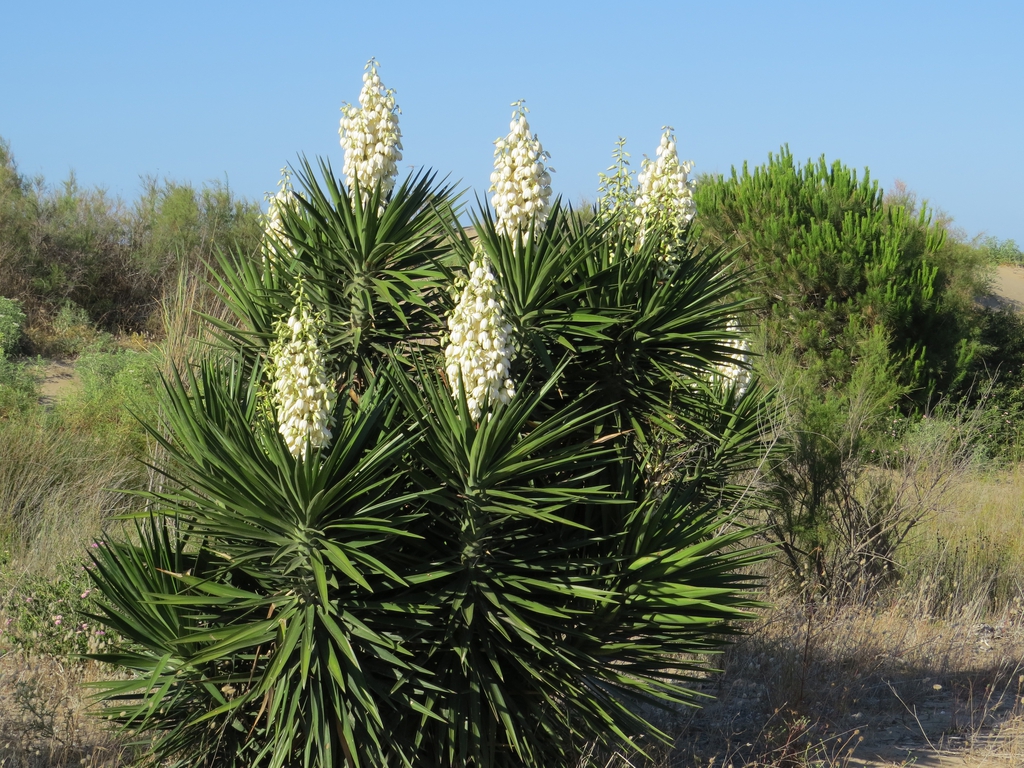
Sends up a flowering spike in June and July, sometimes reaching six feet. Pollinated almost exclusively by yucca moths in a tight obligate mutualism. Native to sandy coastal plain soils in NC. Drought tolerant and salt tolerant once established.
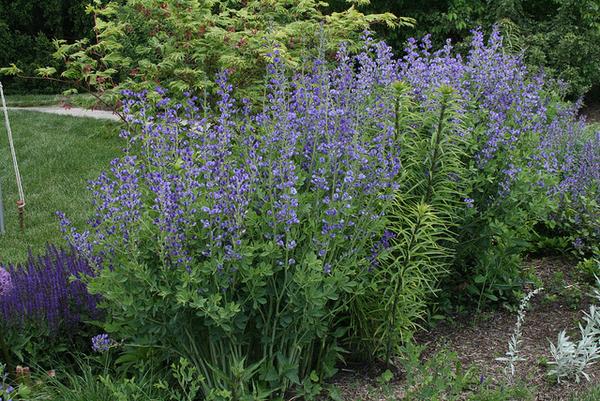
Blooms late May through early June. A larval host plant for Wild Indigo Duskywing and several sulfur butterflies. Fixes nitrogen in the soil and grows slowly into a large, long-lived clump. Give it space and do not move it once established.
Maypop: The June Bloomer Worth Knowing
Maypop (Passiflora incarnata) is technically a vine, but it earns a mention in any June wildflower list. It blooms June through August, and the flowers are unlike anything else in the NC native palette — large, lavender, with a fringed corona that makes it look like it belongs in the tropics. It is the larval host plant for Gulf Fritillary, Variegated Fritillary, and Zebra Longwing butterflies. If you have a fence, trellis, or shrub edge with full sun, this plant pays back every square foot it takes up.
Maypop spreads by runners and can be aggressive in garden beds. It works best at the edge of a yard, along a fence line, or in a wilder corner where spreading is welcome. Cut it back hard in late fall — it dies to the roots each winter in NC and returns reliably in spring.
Host plant for Gulf Fritillary, Variegated Fritillary, and Zebra Longwing butterflies. Blooms June through August with large lavender flowers and a fringed corona. A vigorous native vine for fence lines and trellises. Spreads by runner — site it where it has room.