

No Mow May started as a simple idea: skip the mower for one month and let whatever is growing in your lawn actually bloom. For pollinators that emerge in early spring and need flowers fast, that window is narrow and important. In North Carolina, lawns that haven't been treated heavily often hold real native plant communities already, and May is when they bloom.
You may not need to plant anything. You may only need to stop cutting.
Why May Is the Critical Month
Bumblebee queens emerge from underground in March and April looking for early flowers to fuel colony startup. Solitary native bees are provisioning nests throughout April and May. Caterpillars of fritillary butterflies, which hatch in late summer, depend on host plants that need to set seed now. A lawn that never gets to bloom in May creates a gap in the food web at exactly the moment when it matters most for these species.
The plants growing in your lawn are often not random. Many are native species that have always been part of open, disturbed habitats in the Southeast. They arrived naturally or have persisted through years of mowing because they're built for it.
Common Blue Violet: The One Worth Keeping
If there is one lawn plant that defines No Mow May in NC, it is the common blue violet (Viola sororia). It grows as a low rosette with heart-shaped leaves and purple-blue flowers in early spring. Most people either tolerate it or pull it without much thought.
It is the primary host plant for several fritillary butterfly species found in North Carolina, including the great spangled fritillary (Speyeria cybele). Fritillary caterpillars feed exclusively on viola leaves. No violet population in your lawn means no fritillary larvae. The relationship is that direct.
Violets also produce two types of flowers. The showy spring blooms attract bees for cross-pollination. Later in the season, closed flowers called cleistogamous flowers self-fertilize underground and produce seed capsules without ever opening. Those seeds carry a small fatty appendage called an elaiosome that ants carry into their nests, spreading violet populations through the yard naturally.
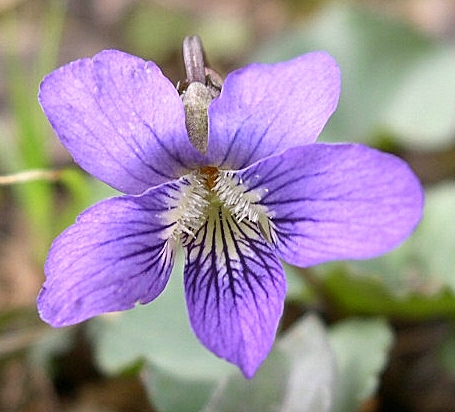
Low-growing NC native perennial found in lawns, fields, and woodland edges. Primary host plant for fritillary butterfly species. Spreads through ant seed dispersal and tolerates repeated mowing.
Other Natives to Look For in NC Lawns
Walk the yard before you mow.
Beyond violets, NC lawns that haven't been treated heavily often hold a mix of native annuals and perennials that are easy to overlook because they grow low or flush quickly. These are three of the most common ones to find blooming in May across the state.
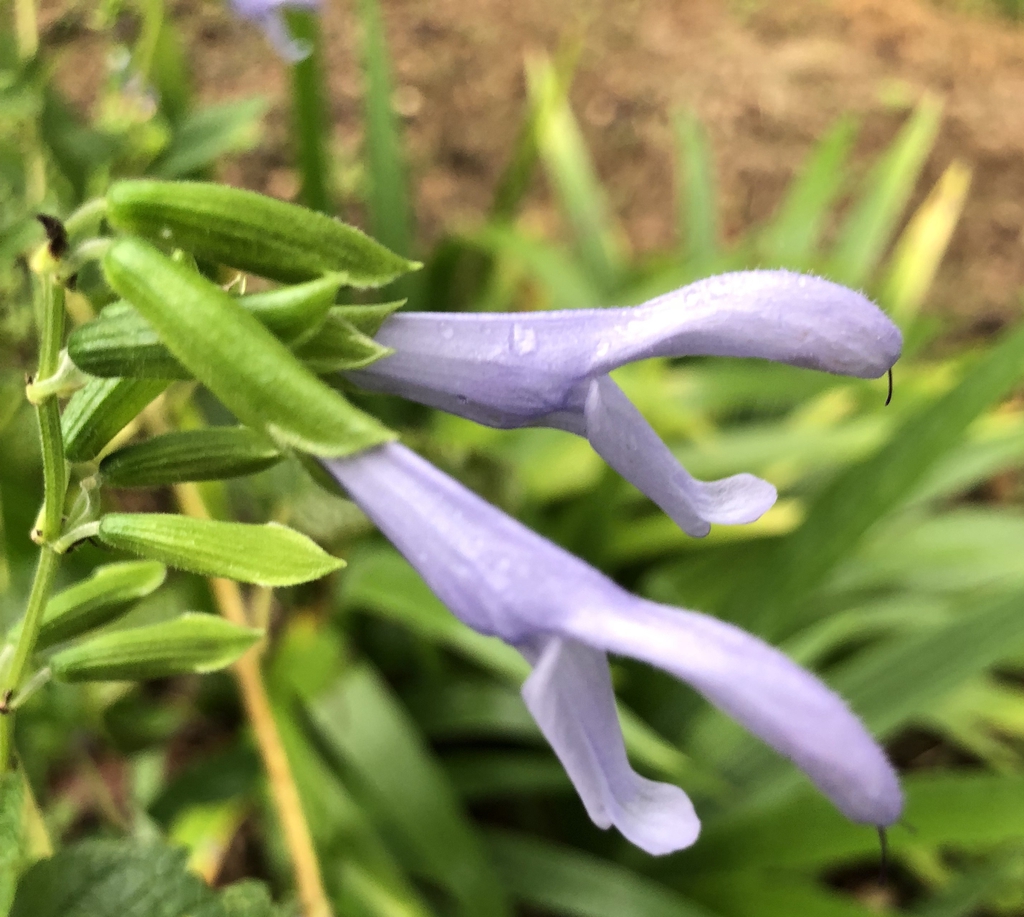
One of the most overlooked NC lawn natives. Grows as a flat winter rosette and sends up purple flower spikes in April and May. Bumblebees and small native bees forage it heavily. Thrives in thin turf and disturbed edges.
A native annual that produces clusters of small white daisy-like flowers starting in May and continuing through fall. Common in NC lawns, roadsides, and disturbed edges. Visited by a wide range of small native bees and flies.
Native across NC, wild strawberry spreads by runners through lawns and produces white flowers in spring. The small fruits feed birds and small mammals. The leaves host several moth and butterfly larvae in the genus Coleophora and others.
What No Mow May Cannot Fix
Lawns that have been treated with broadleaf herbicides for years will not recover in one month. Those native seed banks are depleted or gone. Skipping the mower will not bring them back on its own.
The other issue is invasive species. Japanese honeysuckle, garlic mustard, and other invasives will use any break from mowing to spread and set seed. No Mow May works best in lawns where you already know what's growing. Walk the yard in early May, identify what's blooming, and decide where to mow and where to leave things alone. Patchy mowing, cutting some sections while leaving others, supports pollinators without requiring the whole yard to go unmanaged.
If you want to go further than one month, look at establishing low native groundcovers in thin spots where turf struggles anyway. Wild strawberry, violet, and lyre-leaved sage all establish well from transplants and tolerate light foot traffic over time. The goal is not a picture-perfect yard. It is a yard that feeds something.