


Kudzu recipes have been showing up in a lot of searches lately. It makes sense on the surface. Kudzu (Pueraria montana) is everywhere in North Carolina, so why not eat the plant nobody can get rid of? Before you start frying kudzu leaves or boiling the root for starch, it helps to know what you are actually dealing with, and what native plants growing in those same ditches and forest edges already do the job better.
North Carolina has real native plants that produce good food, feed wildlife, and stay where you plant them. Here is where to put your foraging energy instead.
Why Kudzu Isn't Worth the Trouble
Kudzu arrived in the United States from Asia in 1876 as an ornamental vine. Farmers later planted it for erosion control through the 1930s and 1950s, until the USDA pulled it from its list of approved cover plants in 1953 (NC Cooperative Extension). By then it had already taken hold across the Southeast.
The vine grows up to a foot a day during the growing season and can root anywhere a stem node touches soil, so one plant spreads into a solid patch fast (NC Cooperative Extension). It climbs over native shrubs and trees, blocks their light, and can eventually kill them. Every patch of kudzu is ground where native plants used to grow.
Parts of kudzu are technically edible, and some people do cook with the leaves, flowers, or root starch. But harvesting a plant that regrows a foot a day barely slows it down, and it does nothing to bring back the native plant community underneath it. If you want to forage something that actually rewards the effort, these three are native to North Carolina and worth learning.
Muscadine Grape: NC's Actual Native Fruit
Vitis rotundifolia — the vine North Carolina named its state fruit after
Muscadine grape (Vitis rotundifolia) is a climbing, deciduous vine native to the southern United States, found naturally in dry upland forests, swamps, roadsides, and thickets (NC State Extension). The bronze-fruited cultivar 'Scuppernong,' named for the Scuppernong River in northeastern North Carolina, is the state's official fruit (NC State Extension). Small greenish-white flowers bloom from May to June, and the thick-skinned, purplish-black or bronze berries ripen from September into October, good fresh, pressed into juice, or turned into wine and jelly.
The vine also feeds a wide range of wildlife. Songbirds, wild turkeys, raccoons, foxes, and black bears all eat the fruit, and the flowers draw in bees and other pollinators.
A climbing native vine found in dry upland forests, swamps, roadsides, and thickets across the Southeast. The 'Scuppernong' cultivar is North Carolina's official state fruit. Berries ripen purplish-black or bronze from late summer into fall and are good fresh, pressed, or made into wine and jelly.
Two More Natives Worth Adding to the List
American elderberry (Sambucus canadensis) and highbush blueberry (Vaccinium corymbosum) round out a solid native foraging list. Both grow throughout North Carolina, and both feed people and wildlife at the same time.
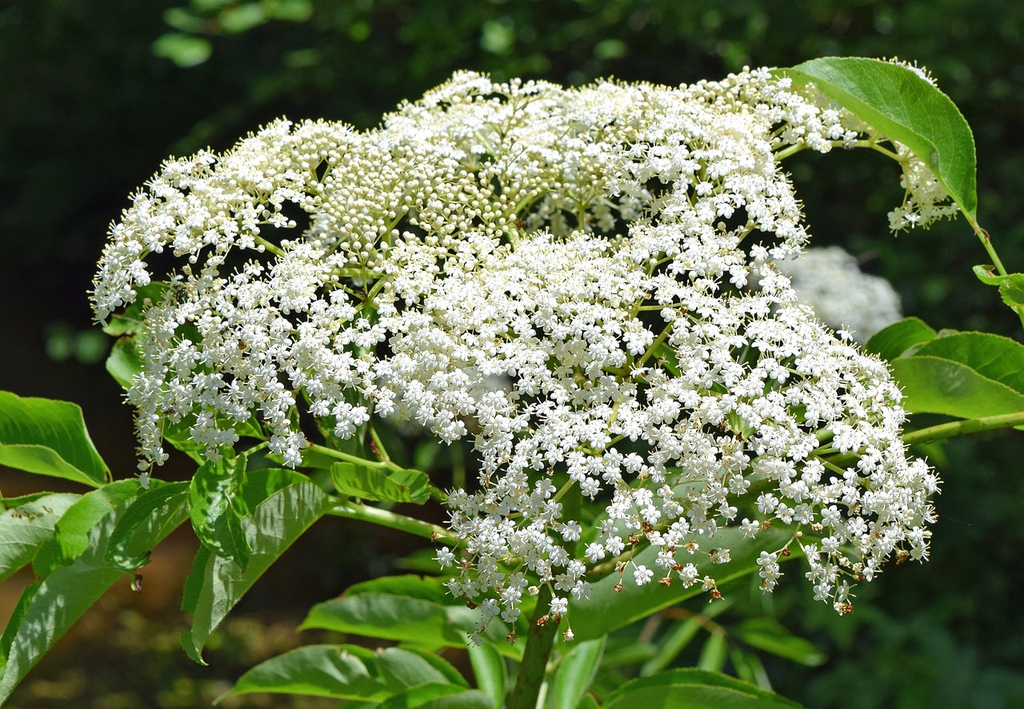
A native shrub found along streams, marshes, and moist forest edges across NC. White flower clusters in early summer give way to purple-black berries by late summer, used in pies, jellies, and wine. Its arching branches shelter nesting birds, and hollow dead stems provide habitat for native stem-nesting bees.
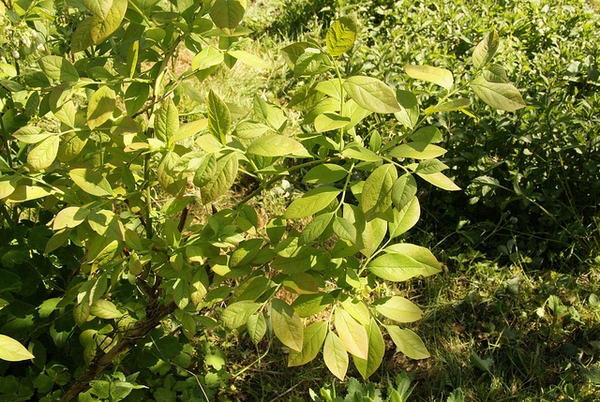
A native shrub of bogs, swamps, and higher-elevation forests, also widely grown in home gardens for its fruit. Flowers from March to May feed early-season bees, and berries ripen blue to purple through summer. Songbirds, foxes, black bears, and deer all rely on the fruit and foliage.
Forage With the Ecology in Mind
The real difference between kudzu and these three plants is not just taste. Muscadine grape, American elderberry, and highbush blueberry all support the birds, bees, and mammals that depend on North Carolina's native plant communities. Kudzu supports almost nothing here. It just takes up space that used to belong to something else.
If you want a small reminder of what actually belongs in this region, the NC Native Plants Enamel Pin features several of the coastal plain's defining species.
Sources Cited
Muscadine Grape (Vitis rotundifolia) — NC State Extension Gardener Plant Toolbox
Sambucus canadensis (American Elderberry) — NC State Extension Gardener Plant Toolbox
Vaccinium corymbosum (Highbush Blueberry) — NC State Extension Gardener Plant Toolbox
Play It Safe When Preserving Elderberries — Oregon State University Extension Service