

Southern Magnolia (Magnolia grandiflora) shows up in almost every suburban yard in the South. It is used so broadly as an ornamental that most people assume it was planted everywhere from somewhere else. But along North Carolina's coastal plain, Southern Magnolia is actually native. It grows here because it belongs here.
This matters beyond regional pride. Native trees carry ecological relationships that ornamentals do not. Southern Magnolia feeds specific wildlife, shelters overwintering insects, and carries a pollination story that predates bees by tens of millions of years. Here is what you are actually looking at when you see one growing along a NC coastal trail.
A Flower Built for Beetles
Most flowering plants evolved alongside bees. Magnolias did not. The family Magnoliaceae has fossil records going back over 95 million years, long before bees existed as pollinators. Beetles were here first, and the Southern Magnolia's flowers still reflect that ancient partnership.
The large white petals are thick and waxy. This is not decorative. It protects them from beetle damage during feeding. The flowers also generate heat through a process called thermogenesis, which volatilizes fragrance compounds and draws in beetles from a distance. Beetles enter to feed on pollen and the fleshy staminodes inside, then carry pollen to the next flower. The magnolia does not produce nectar. It offers protein and warmth.
This is one of the oldest pollination systems still functioning in NC landscapes. Watching a beetle work a magnolia bloom in late May is watching something that has been happening since before the first bee.
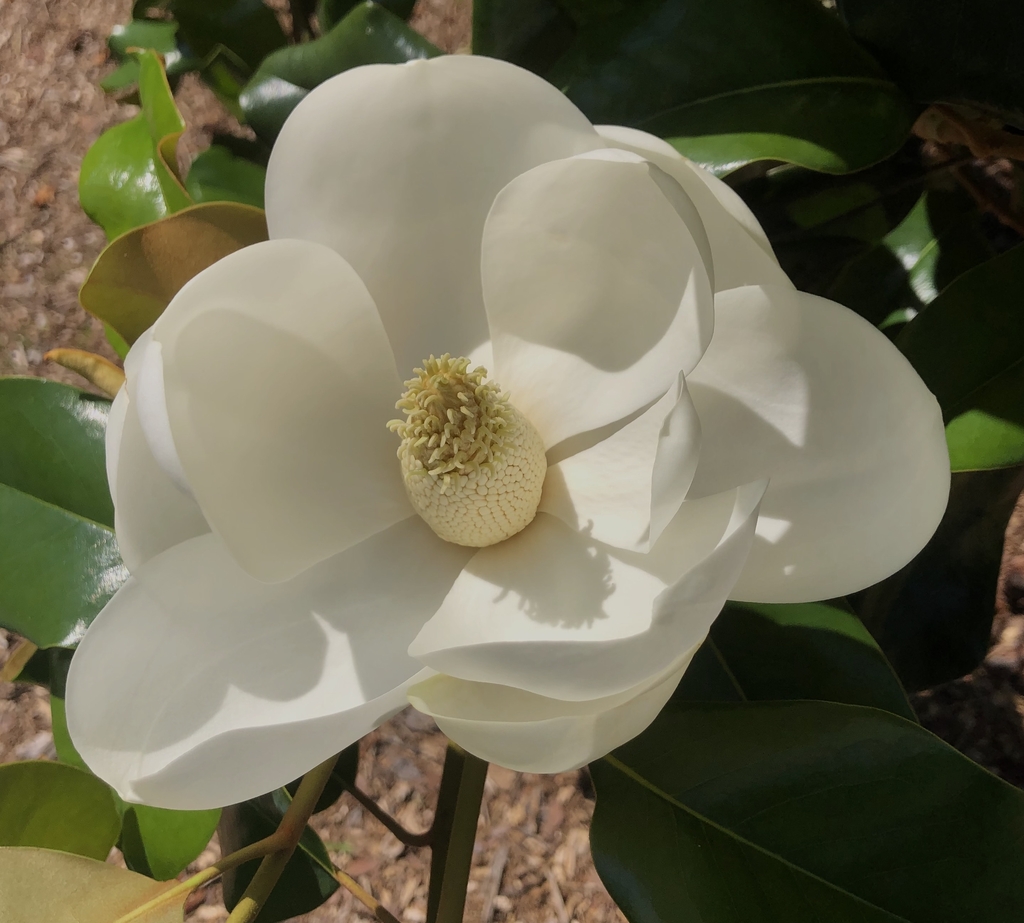
A large broadleaf evergreen native to NC's coastal plain. Flowers late spring through summer using beetles as primary pollinators. Produces bright red seeds in fall that feed birds and small mammals. Provides dense canopy cover and deep leaf litter habitat for overwintering insects year-round.
What the Tree Feeds in Fall
After the flowers drop in late summer, Southern Magnolia produces a cone-like structure called a follicetum. In September and October, this opens to reveal bright red seeds suspended on thin threads. Mockingbirds, cedar waxwings, wood thrush, and red-eyed vireos are regulars at fruiting trees. The seeds are high in fat and are eaten quickly once they appear.
The leaf litter matters too. Magnolia leaves decompose slowly, which is often cited as a landscaping drawback. In practice, the thick leaf layer insulates soil over winter and shelters ground-level insects, including beetle larvae and moth pupae. This layer is not garden waste. It is habitat.
Coastal Plain Companions
Trees that share Southern Magnolia's native range along the NC coast
If you are in the coastal plain and planting for ecological function, these species share the same native range and work well alongside Southern Magnolia in low-to-moderate moisture sites. Together they form the canopy structure of NC's maritime and coastal forest communities.
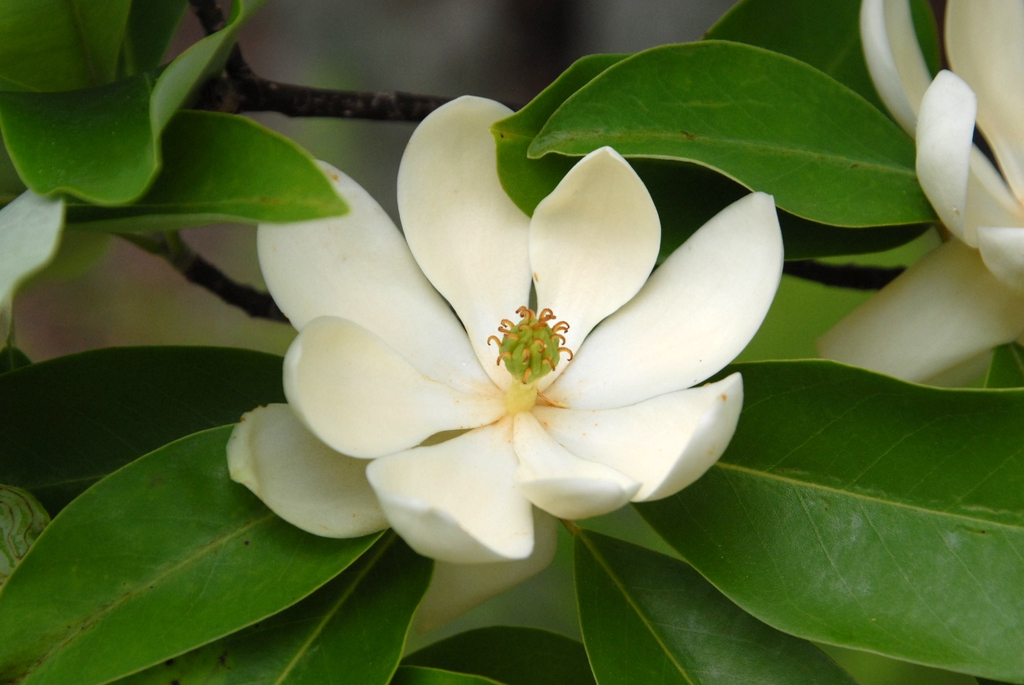
Smaller than Southern Magnolia, Sweetbay grows in wet or poorly drained sites at the coastal plain edge. The undersides of its leaves are silver-white, and it holds them through most of winter in Zone 8. Flowers are smaller but use the same beetle-pollination system as its larger cousin.
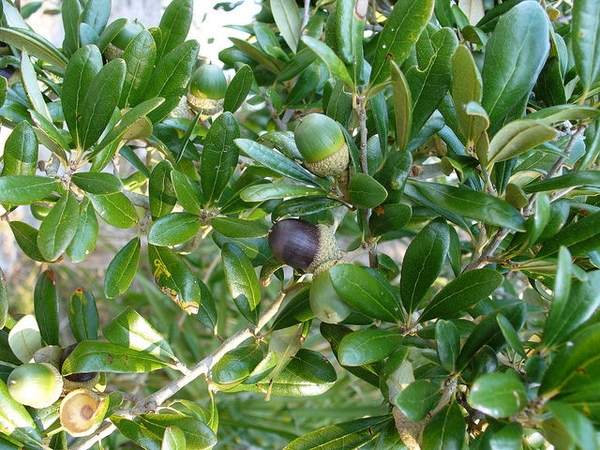
The defining canopy tree of NC's maritime forest. Live Oak supports hundreds of species of caterpillars, making it one of the most wildlife-productive trees in the coastal region. Salt tolerant and wind-resistant. Builds canopy slowly but can persist for centuries.
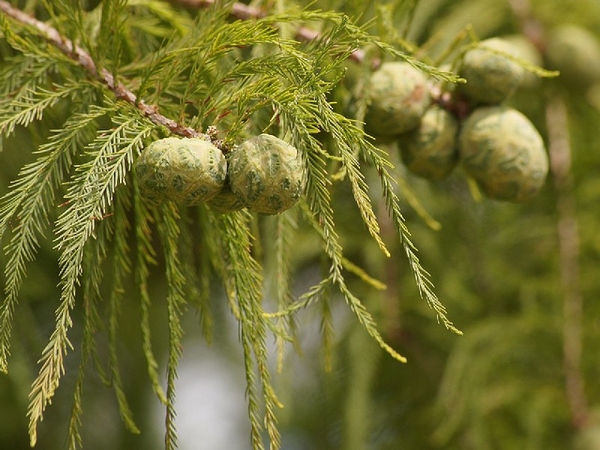
Native to floodplains, blackwater rivers, and wet coastal plain sites. Deciduous despite looking coniferous. The knobby root structures called cypress knees help anchor the tree in saturated soils. A nesting tree for herons and other large wading birds along NC waterways.
Where Southern Magnolia Is Actually Native in NC
Southern Magnolia is native to the coastal plain, roughly from the Cape Fear River basin east and south toward the barrier islands and Brunswick County coast. It is not native to the piedmont or mountains, though it grows there well as a landscape tree.
The ecological relationships in this post are strongest in the coastal plain, where the tree co-evolved with the local wildlife. If you are planting in Wilmington, Jacksonville, or New Bern, you are planting it where it belongs. If you are in Raleigh or Asheville, it is still a good tree, but the native context is different.