

Spring flowering gets most of the attention. Redbuds, dogwoods, early violets, the first bees on warm afternoons. But summer is when native plants do some of their most important ecological work. By July, temperatures in coastal NC push past 90 degrees and the humidity holds steady for weeks. Many ornamental plants stall. Native plants hit their stride.
These five NC native species bloom through the heat of summer. All of them support pollinators during a season when nectar and pollen can be genuinely scarce. All are suited to coastal plain conditions. Most can go into the ground now, in late May, and be blooming by midsummer.
The Summer Bloom Gap
Most garden bloom schedules have a gap. Spring-flowering trees and shrubs finish by May. Fall asters and goldenrod do not start until late August or September. That leaves June through early August as a lean stretch for pollinators. Native bees that were well-fed in spring still need nectar and pollen all the way through summer. Butterflies need nectar sources into August and September for their late-season flights and migrations. Plants that bloom through July fill that gap in a way that most garden plants simply do not.
The good news is that some of the best summer-blooming natives are also the most adaptable. They handle the heat, they tolerate the sandy soils common along the coastal plain, and once established, most need very little intervention to thrive.
Black-Eyed Susan
Long-blooming, adaptable, and built for the coastal plain.
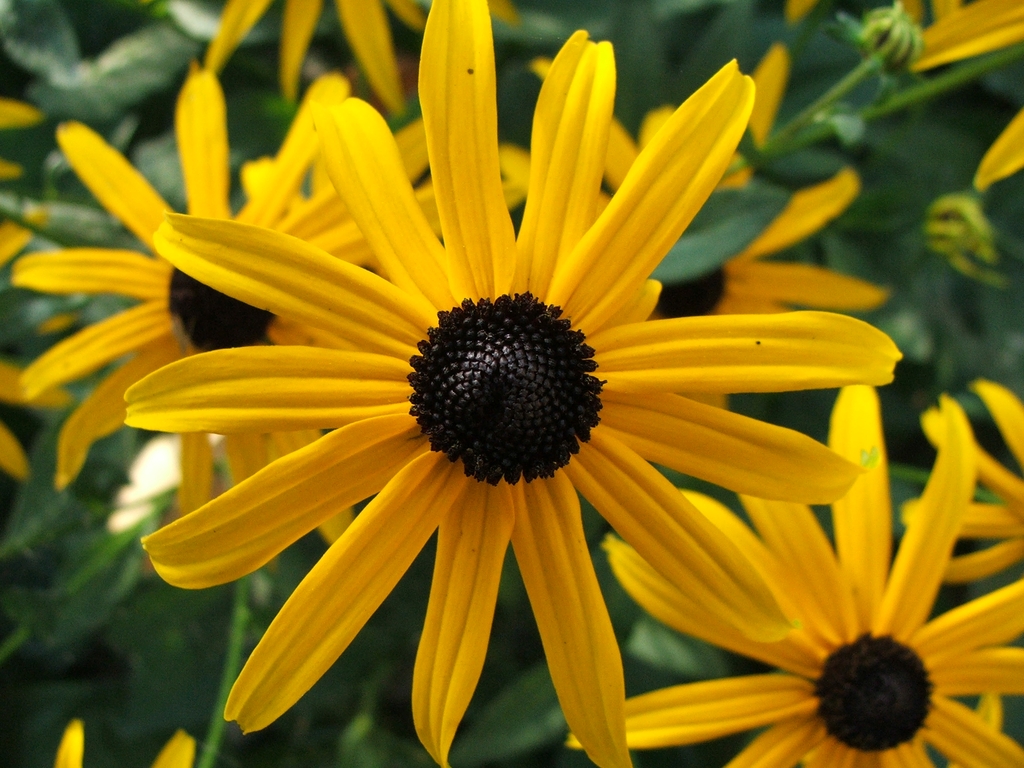
One of the most reliable summer natives across NC. Blooms June through September. The dark disc florets support specialist bees in the Melissodes and Augochlora genera alongside a wide range of generalists. Tolerates poor, dry soils well once established. Self-seeds freely, which keeps it returning season after season.
Black-Eyed Susan (Rudbeckia hirta) is technically a short-lived perennial, but it self-seeds so readily that you rarely notice the gap. Plant it once and let it find its own rhythm in your garden. In fall, leave the seed heads standing. Small birds, especially goldfinches, work through them steadily into winter.
Four More for the Summer Garden
These four species extend the bloom window, fill different ecological roles, and cover a range of site conditions from moist woodland edges to dry sandy ground.
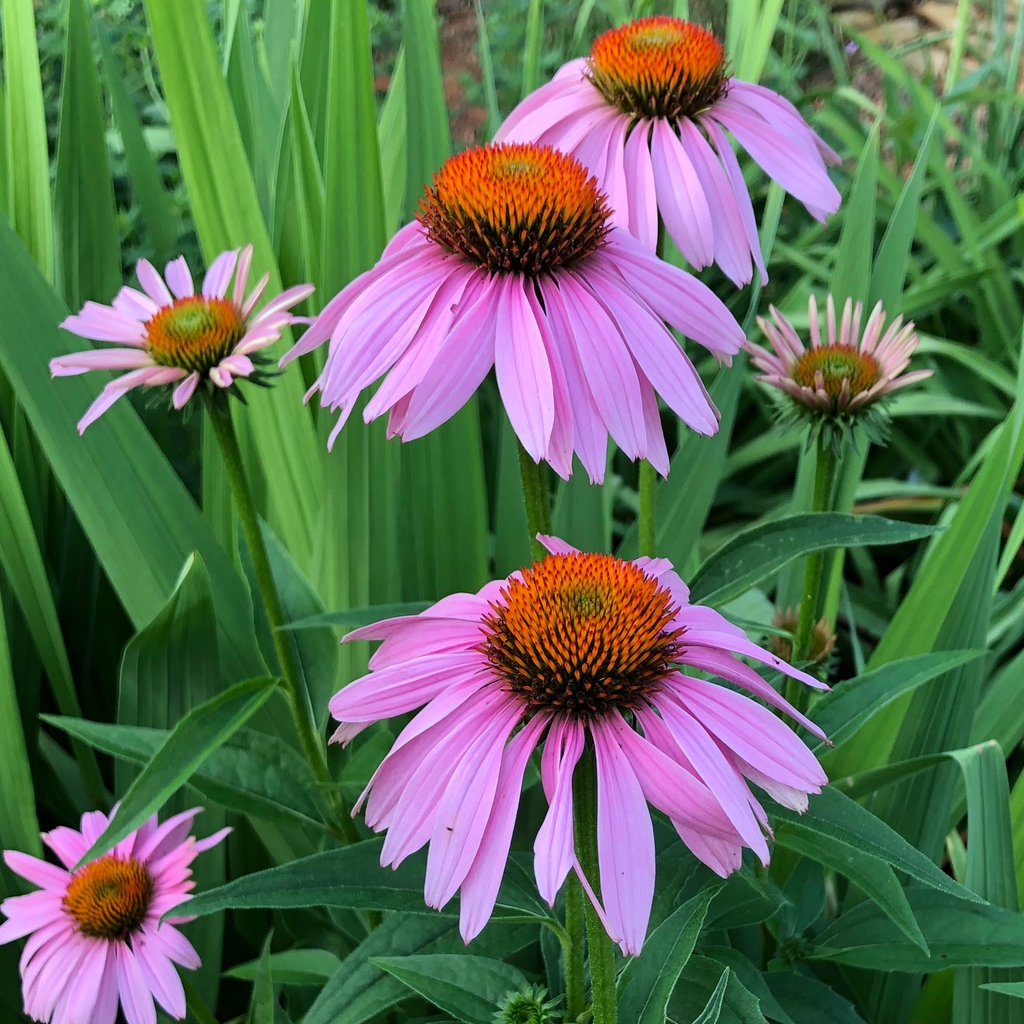
Blooms July through August. The raised central cone is a landing platform for long-tongued bees, swallowtail butterflies, and pearl crescents. Seed heads persist into winter and draw goldfinches. Best in well-drained soils with full sun; best suited to the piedmont and mountains, but performs well in coastal plain gardens with good drainage.
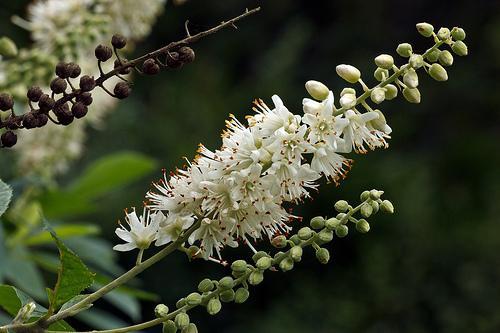
A coastal plain shrub that blooms in July and August when most flowering shrubs have finished. Fragrant white flower spikes attract bees, butterflies, and hummingbirds. One of the few native shrubs that handles both wet feet and part shade, making it a strong choice for rain garden edges and wooded borders.
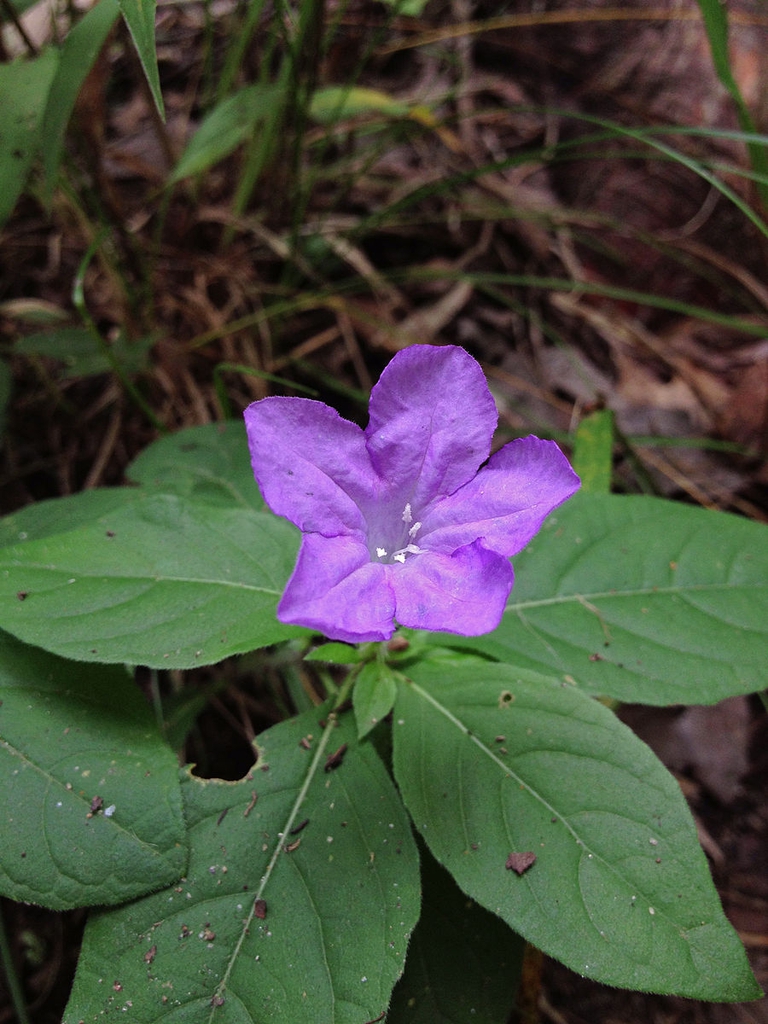
Blooms June through September. The soft lavender flowers are visited by hummingbirds and long-tongued bees. Low and sprawling in habit, well suited to dry, sandy coastal plain soils. One of the most underplanted native perennials for coastal NC, and among the toughest in summer drought conditions.
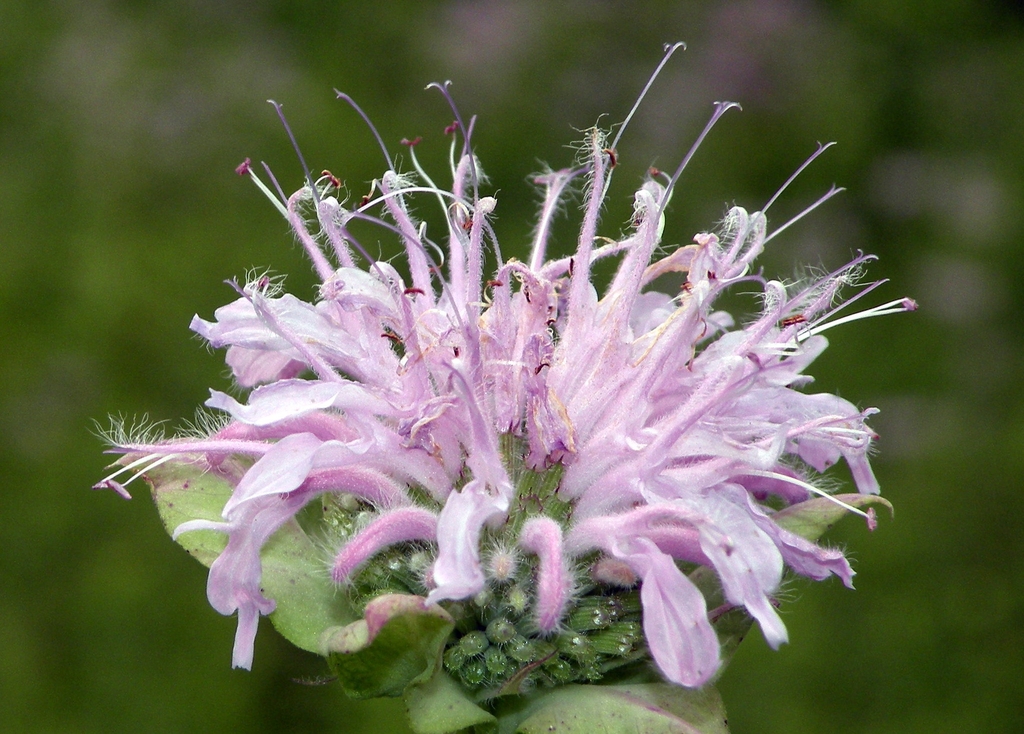
Blooms July through August. The globe-shaped flower heads draw bumblebees, hawk moths, and hummingbird clearwing moths in numbers. Strongly aromatic foliage. Prefers drier, well-drained soils and handles heat without complaint. Spreads slowly by rhizome to form a manageable colony over time.
Planting Now for Summer Blooms
Late May is a good time to put these plants in the ground. Soil is warm, which helps roots establish quickly before peak heat arrives in July. Most of these species will bloom their first summer if you start with nursery stock. Plan on consistent watering for the first four to six weeks. After that, most coastal plain natives manage on their own through all but the worst droughts.
For a simple combination that covers most of the summer, pair Black-Eyed Susan with Summersweet and Carolina Wild Petunia. Black-Eyed Susan and Summersweet overlap in July and August. Wild Petunia extends the bloom window from June all the way through September. Together they feed pollinators across three months with minimal maintenance and very different site needs covered between them.