

Spring planting decisions aren't just about spring. They're part of a four-quarter cycle that starts in fall and builds forward. In NC zones 7b through 9b, native plants are timed for this region's seasons in ways that cultivated varieties aren't. Understanding the rotation changes what you plant, when you plant it, and why it works.
Each quarter has a role: build, rest, produce, sustain. Skip one, and the next one is harder.
Fall: Build the Foundation
Fall is where the work starts. Native plants going dormant above ground are still active below it. Roots are expanding, mycorrhizal networks are thickening, and organic matter is beginning to break down. What you plant in September and October determines how fast your garden responds in April.
Fall also feeds the pollinators that will carry your spring garden forward. Late-blooming natives give bees and butterflies the fat stores they need to survive winter. A productive fall garden is an investment in the insects you'll need when things start blooming again.
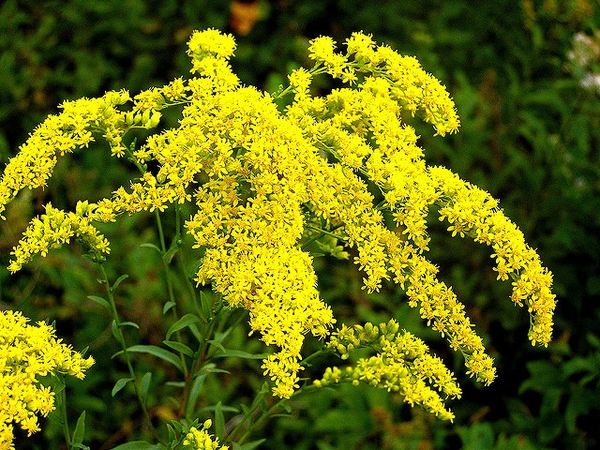
Goldenrod blooms September into October, feeding hundreds of native bee species at exactly the moment most gardens have gone quiet. It spreads by rhizome and fills gaps efficiently. Pair it with native asters to extend the late-season bloom window and give migrating insects a longer fueling stop.
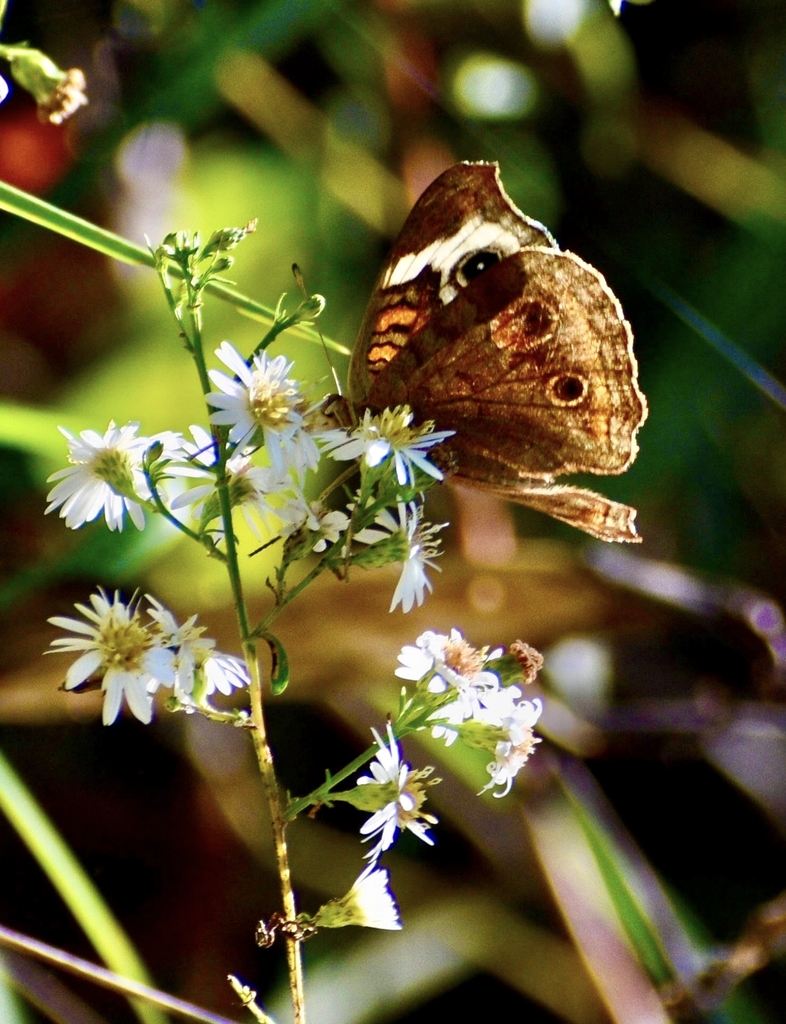
One of the last natives to bloom before frost. Monarch butterflies feed on aster nectar during fall migration, and the spent seed heads feed goldfinches into December. Blooms alongside goldenrod for a high-value fall combination.
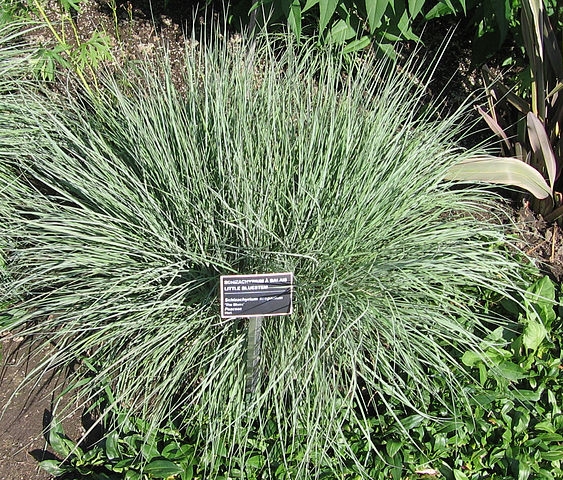
A warm-season grass that holds structure through winter. The reddish stems and fluffy seed heads provide cover for ground-nesting insects and small birds through the coldest months. Well adapted to lean coastal soils with good drainage.
Winter: Let the Garden Rest
The rest season is active work, just underground. Soil biology doesn't stop when temperatures drop. Microbes continue breaking down organic matter, roots continue growing during mild stretches, and the hollow stems of last year's native plants shelter native bee larvae through freeze cycles.
The most productive thing you can do in winter is leave the garden alone. Don't cut the stalks. Don't rake the leaves. The debris is functioning habitat. What looks like an untidy bed is a working system.
Spring: The Produce Season
Spring shows you what fall earned. Plants that built root systems over winter come up fast and bloom on schedule. A garden that skipped fall planting shows the gap clearly: slower establishment, weaker bloom, more water demand through the dry spells that come in April and May.
In zones 7b through 9b, spring comes early and moves quickly. The window between last frost and summer heat stress is shorter than most gardeners expect. Native plants from this region are timed for exactly that window.
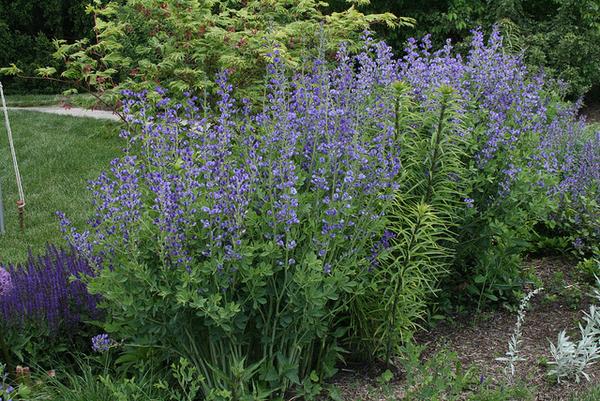
A long-lived perennial that fixes nitrogen and feeds specialist bees in early spring. Slow to establish in year one, but nearly indestructible afterward. The black seed pods persist through fall and add structure to the late-season garden.
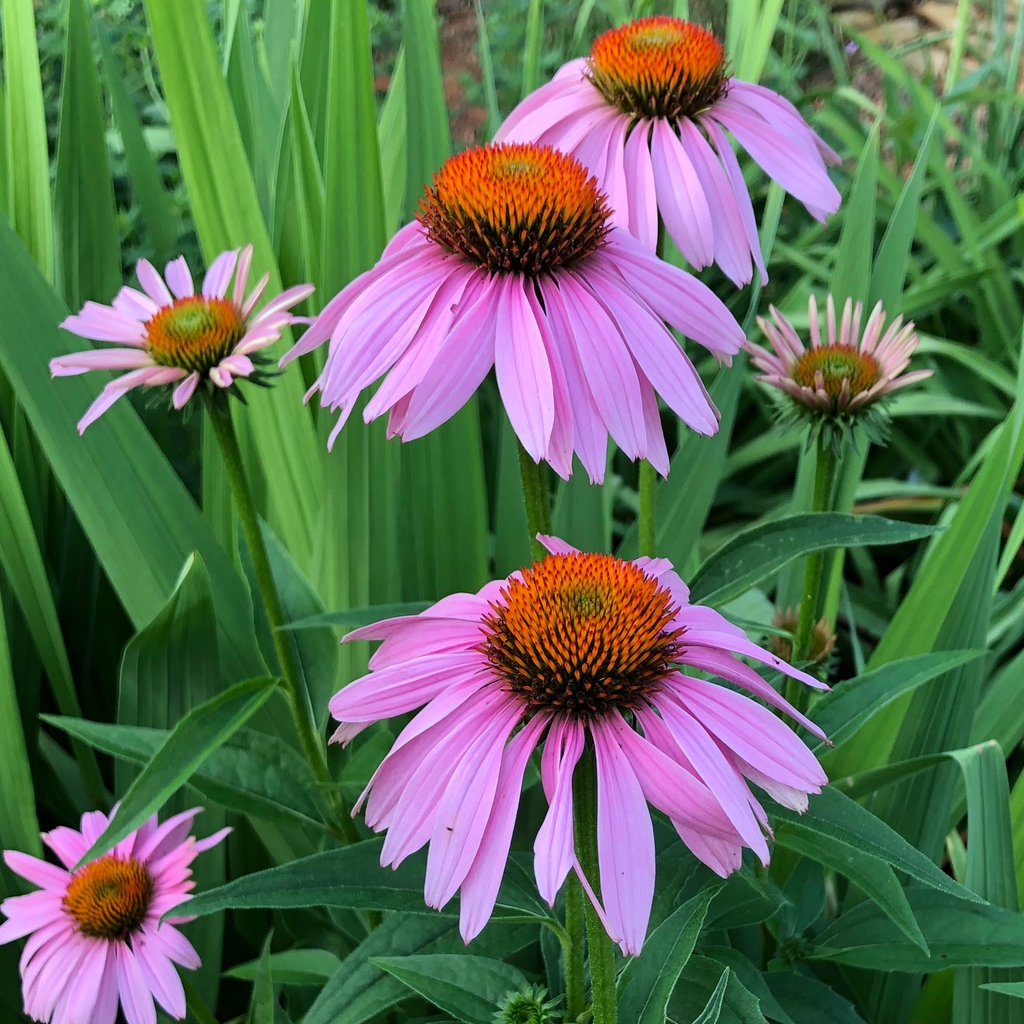
Blooms June through August and self-seeds readily in well-drained beds. Goldfinches eat the seed heads through fall. Plant it alongside Blue Wild Indigo for continuous bloom from late spring into late summer.
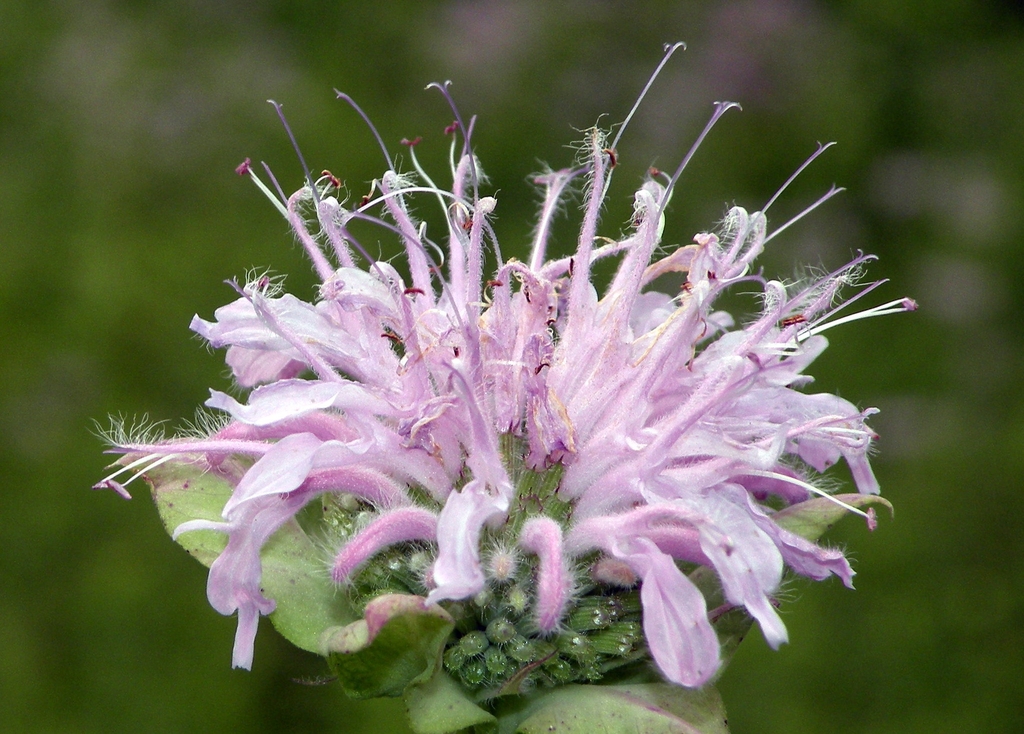
Lavender blooms in early summer attract hummingbirds and bumble bees. Drought tolerant once established, and spreads by rhizome without becoming aggressive in most coastal soils. The aromatic foliage also deters deer.
Summer: Sustain the System
Summer is about keeping the garden productive under heat and drought stress. The natives that hold up through a NC August are doing the most ecological work at exactly the moment the rest of the garden has stalled.
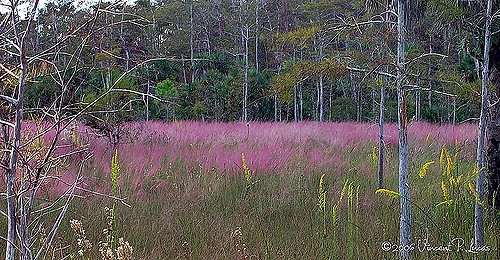
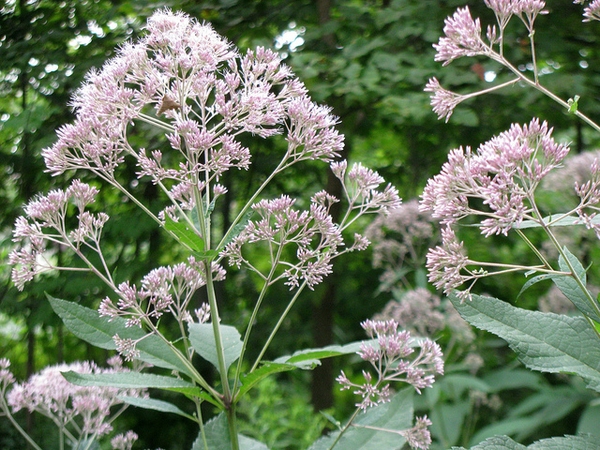
Reaches 5 to 7 feet tall with flat-topped pink flower clusters that attract swallowtails and bumble bees in July and August. Tolerates wet, poorly drained soils and provides a vertical element that smaller perennials can't match.
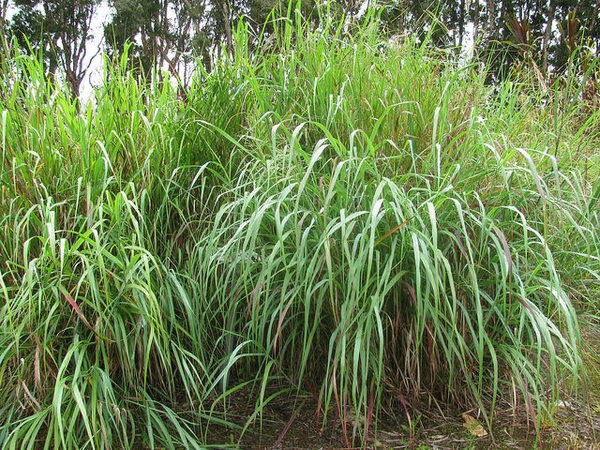
A deep-rooted warm-season grass adapted to eastern NC coastal soils. Produces seeds in late summer that feed sparrows through fall and winter. The root system can extend more than 10 feet down, making it one of the most drought-resilient natives available for this region.
The Quarterly Seed Subscription Box launches in July 2026 and is built around this four-season logic. Each quarter includes companion-planted seed packets, an illustrated layout card, and a science card that explains the rotation and how your planting this season feeds what comes next. The waitlist is open now for zones 7b through 9b.