
Longleaf pine (Pinus palustris) once covered more than 90 million acres across the southeastern United States. Today, less than 3 percent of that range remains intact. What survived in North Carolina includes some of the most species-rich plant communities in the eastern U.S. Most people have never seen one.
If you live on the NC coastal plain, this ecosystem shaped the landscape under your feet. These are the native plants that define it.
A Landscape Built Around Fire
Longleaf pine savannas are fire-dependent communities. Without regular fire — historically set by lightning or Indigenous burning — the open, grassy understory closes in and the biodiversity collapses. The plants that evolved here are built for periodic burning. Many resprout vigorously after fire. Some only flower well after fire moves through.
This fire history is why longleaf savannas hold so many species. A single acre of high-quality longleaf savanna can contain 40 to 60 plant species. The open canopy lets light reach the ground, and the ground layer is where most of that diversity lives.
The Keystone Tree
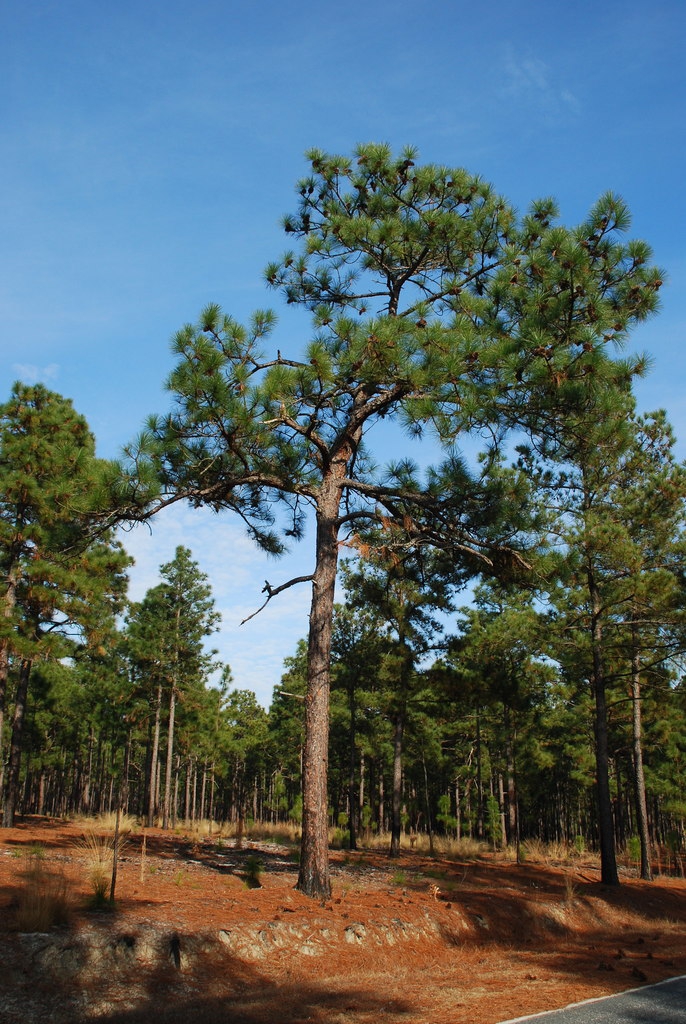
A slow-growing, long-lived tree that can reach 400 years old. Its deep taproot and thick, fire-resistant bark make it one of the most resilient conifers in the Southeast. Longleaf supports hundreds of plant species, dozens of endemic insects, and rare birds like the Red-cockaded Woodpecker.
Young longleaf pines spend their first several years in a "grass stage," looking more like a clump of long needles than a tree. The seedling is building a root system, not a trunk. Once established, the tree grows upward quickly — getting the growing tip above typical fire height fast. This strategy is why longleaf persists in fire-prone landscapes where other conifers cannot.
The Ground Layer: Where the Diversity Lives
Understory and ground-layer species characteristic of NC longleaf savannas.
The ground layer of a longleaf pine savanna looks nothing like a typical forest floor. It is open, grassy, and full of wildflowers. The native species below are characteristic of this community on the NC coastal plain. Several also do well in home landscapes, especially in sandy, dry soil with full sun.
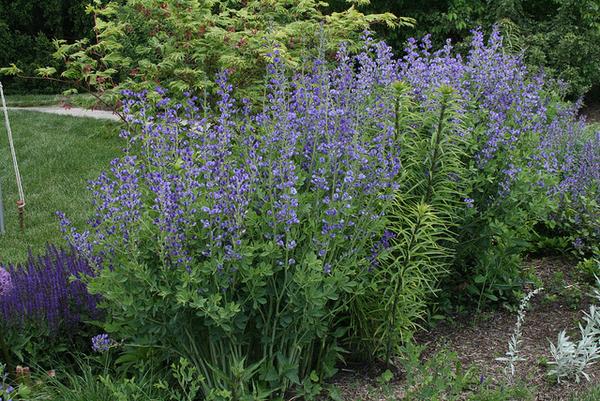
A long-lived perennial with blue-purple flower spikes in spring. Host plant for the Wild Indigo Duskywing and several other native butterfly species. Tolerates drought and poor sandy soil once established.
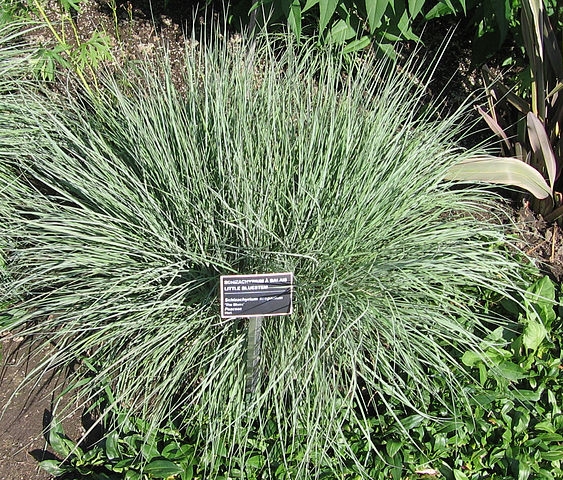
A warm-season bunchgrass common across longleaf savannas and dry uplands. Turns copper-red in fall. Seeds feed sparrows and other ground-foraging birds through winter. One of the most widely adaptable native grasses in NC.
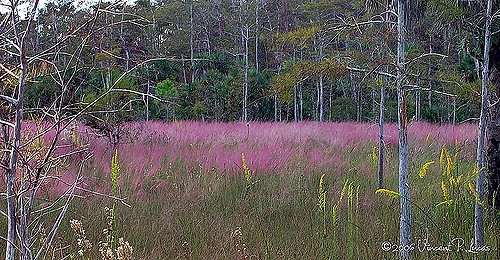
A native coastal plain grass with a spectacular fall display of pink-purple seed heads. Grows naturally in longleaf savannas and dry sandy uplands. Very low-maintenance once established in the right conditions.
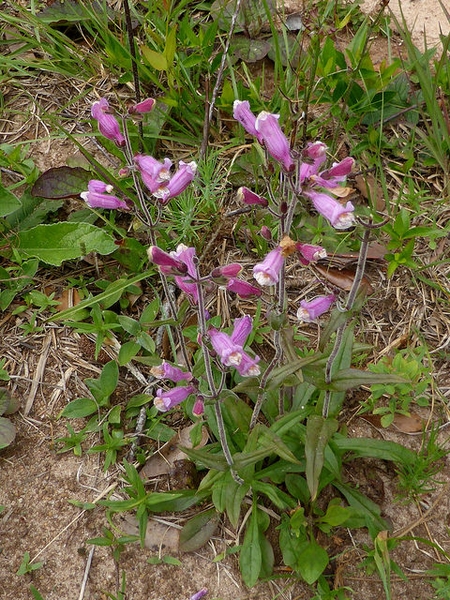
A tubular-flowered native perennial that blooms late spring through early summer. Found in dry, sandy longleaf habitats and open woodlands. Visited by native bumblebees and long-tongued specialist bees.
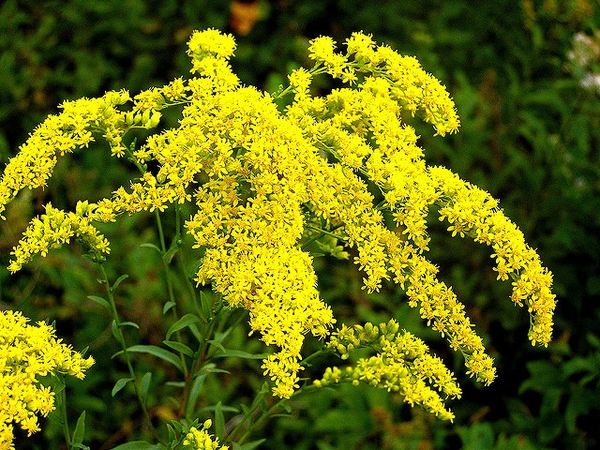
Several native goldenrod species are found in longleaf savannas and dry uplands, including Wand Goldenrod (Solidago stricta). Late-season bloom supports dozens of native bee species heading into fall.
The defining ground cover of the longleaf pine ecosystem across the Southeast. Without wiregrass, fire does not carry through the savanna — and without fire, the community cannot persist. It is the grass that holds the whole ecosystem together.
What These Plants Share
All of the species above evolved in low-nutrient, often sandy soils with seasonal drought and periodic fire. This is exactly what makes them hard to find in conventional nurseries and why they thrive where other plants struggle. If you have a dry, sunny patch of yard where nothing seems to grow, longleaf savanna species are worth trying.
They also share this: they support insects that need them specifically. Wild Blue Indigo (Baptisia australis) is a host plant for specialist butterflies. Southeastern Beardtongue (Penstemon australis) feeds long-tongued bees adapted for tubular flowers. Wiregrass (Aristida beyrichiana) shelters ground-nesting insects as well as carrying fire. These plants do more than look good. They hold pieces of the ecosystem in place.
Growing These at Home
Most longleaf savanna plants need two things: well-drained, dry soil and full sun. Sandy or loamy soils work best. Avoid amending with compost or fertilizer — these species are built for nutrient-poor conditions and can become weak or short-lived in rich soil.
Pink Muhly Grass, Little Bluestem, and Goldenrod are easiest to source from native plant nurseries. Southeastern Beardtongue and Wild Blue Indigo are available from specialty native plant growers. Wiregrass (Aristida beyrichiana) is harder to find in cultivation but worth seeking out for naturalistic plantings or restoration projects on coastal plain properties.