

If you have seen a Luna moth resting on a porch light, you have a neighbor planting the right trees. Luna moths, Polyphemus moths, and Promethea Silkmoths are among the largest and most recognizable insects in North Carolina. They are also specialists: each species can only complete its larval stage on a narrow range of host plants. Most of those host plants are native trees.
This is a post about what to plant to support them — and why it matters beyond the experience of finding a giant green moth at your window.
Silk Moths Are Caterpillar Specialists
The giant silk moths (family Saturniidae) that live in NC spend most of their lives as caterpillars. Adults do not eat at all — they do not even have functional mouthparts. Everything they need to develop and eventually reproduce depends on the food their larvae can access. That food is almost always the foliage of specific native trees and shrubs.
Unlike generalist feeders, silk moth caterpillars are adapted to tolerate the chemical defenses of particular plant families. A Luna moth caterpillar handles the tannins in Sweetgum leaves. A Polyphemus caterpillar thrives on Oak. Plant a Bradford Pear instead of an Oak and you have removed that food source entirely. The moth cannot substitute.
Start with Sweetgum
Primary host tree for one of NC's most recognizable moths
Sweetgum (Liquidambar styraciflua) has a reputation problem. People remove it for its spiny seed balls, and it is frequently cut in favor of tidier trees. But Sweetgum is one of the most ecologically valuable trees in the NC coastal plain. It is a primary host plant for the Luna moth (Actias luna) and supports dozens of other moth species, several specialist beetles, and songbirds that feed on its seeds through fall and winter.
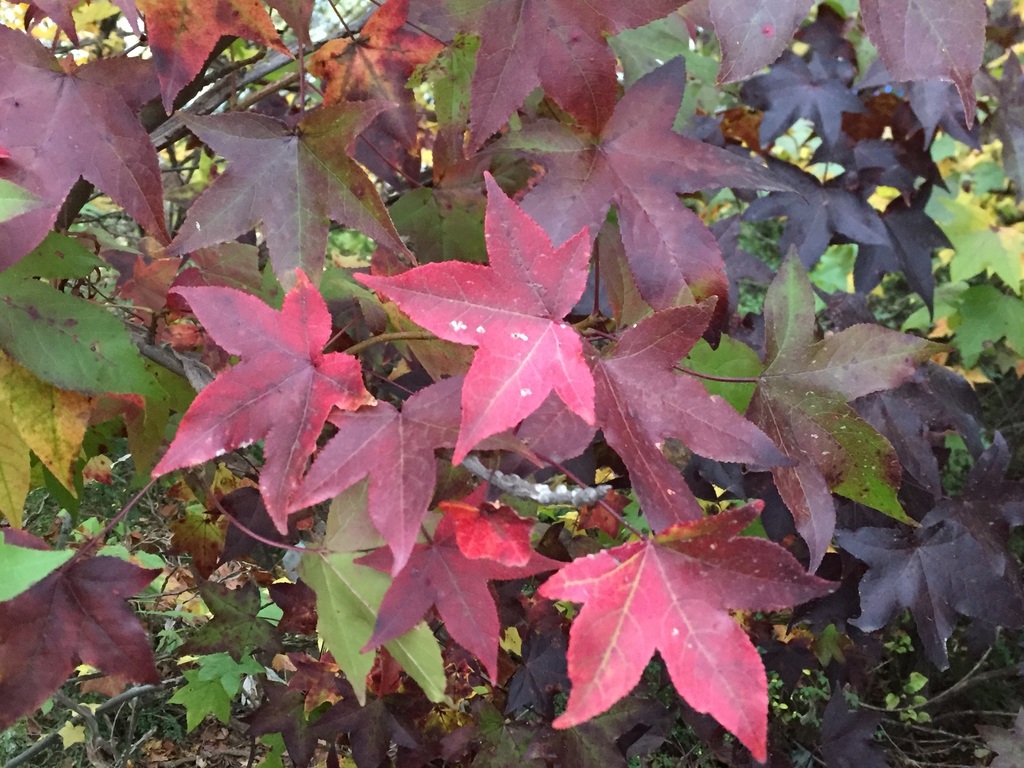
A large deciduous tree native to the NC coastal plain and Piedmont. Primary host plant for the Luna moth. Tolerates wet to average soils and grows in full sun. Fall color ranges from yellow to deep burgundy-red, and the seed balls feed finches and other songbirds well into winter.
Four More Trees Worth Planting
Sweetgum is a strong anchor species, but it is not the only option. These four native trees each support distinct silk moth or large moth species, and all are suited to the NC coastal plain or Piedmont.
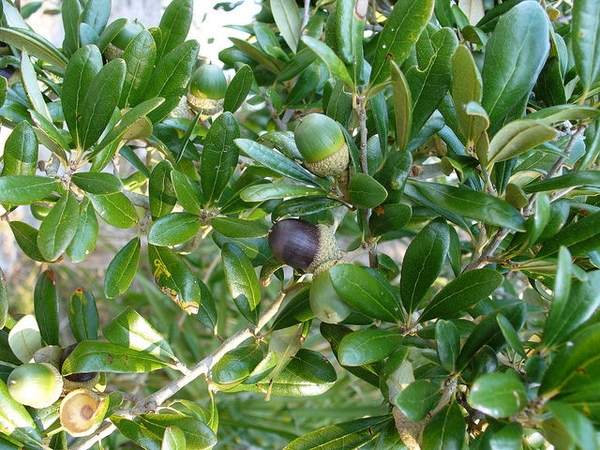
The quintessential coastal plain tree. Host plant for the Polyphemus moth (Antheraea polyphemus) and the Imperial moth (Eacles imperialis), along with hundreds of other moth and butterfly species. Evergreen in most of NC's coastal zone, long-lived, and salt tolerant.
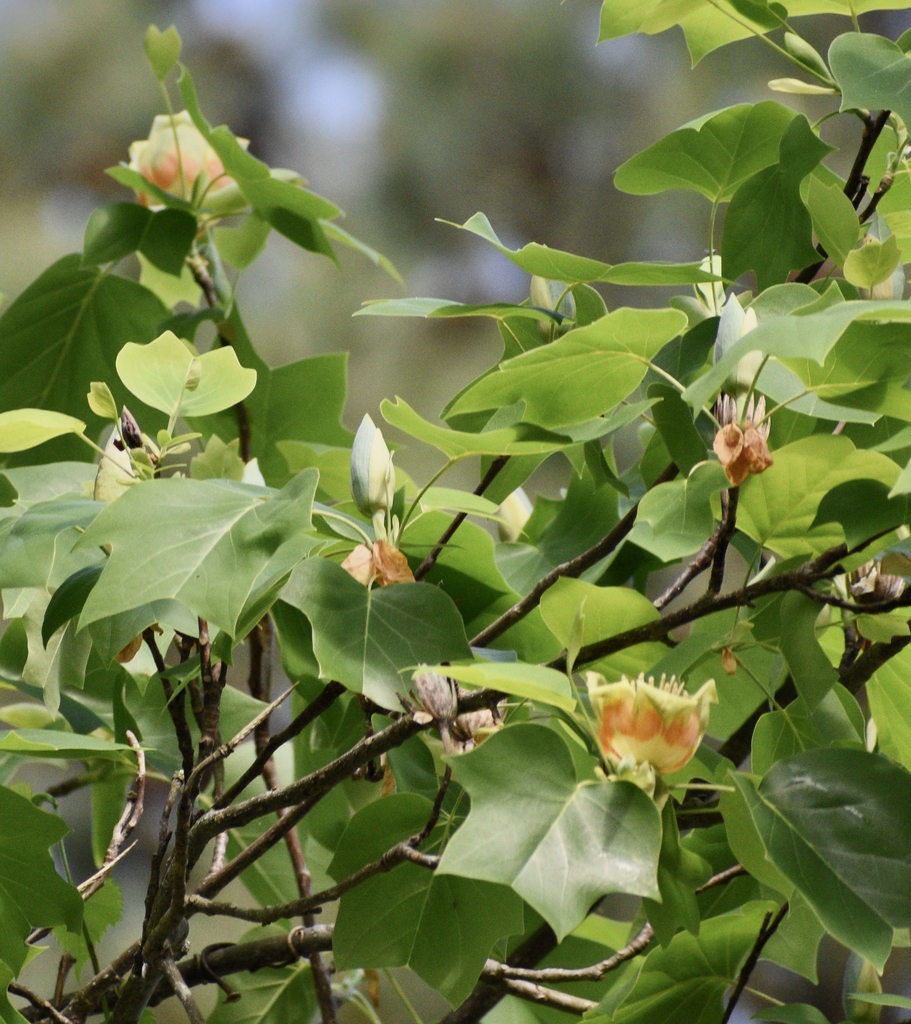
A fast-growing native tree that reaches 80 feet at maturity. Supports the Promethea Silkmoth (Callosamia promethea) as a larval host tree, alongside the Eastern Tiger Swallowtail butterfly. Nectar-rich spring flowers attract hummingbirds and native bees.
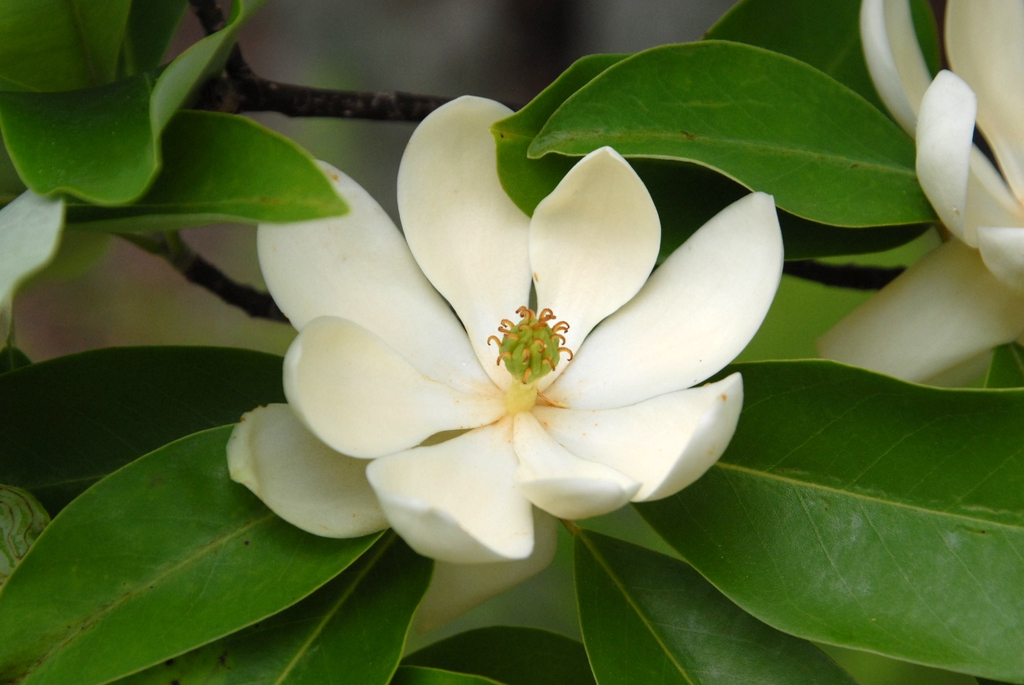
A native magnolia found along wetland margins and pocosins throughout the NC coastal plain. Host plant for the Sweetbay Silkmoth (Callosamia securifera), a Southeastern specialist. Semi-evergreen and well suited to wet, acidic soils where most ornamental trees fail.
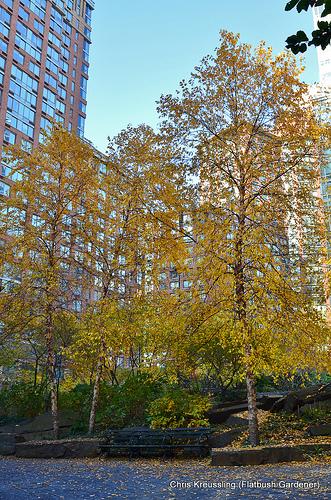
A native birch adapted to wet, low-lying soils across NC. Luna moth caterpillars are documented on birch species, and River Birch is the native option for wetter coastal plain sites. Exfoliating cinnamon-colored bark adds winter interest. Small seeds support songbirds from late summer through fall.
What This Means for Your Yard
You do not have to manage a nature preserve to support silk moths. A single native tree in a residential yard can function as habitat. The key is that it has to be the right species. An ornamental cherry bred for double flowers and reduced fruit provides little or no host value for moth larvae, even if it looks similar to a wild cherry.
Size matters over time. Mature trees support larger caterpillar populations than young ones, so planting early pays off. Sweetgum and River Birch are fast growers. Live Oak and Tulip Poplar are long-term investments — the kind of planting that keeps giving well beyond your lifetime.
If you want to carry the idea of NC native species with you, the NC Native Plants Enamel Pin features several of the species that define this region's ecology. It is a small thing, but the illustration is accurate — and accuracy is where it starts.