


Spotted lanternfly has made it to North Carolina. If you have seen the warnings on social media or a report from a neighbor, the instinct is to start scanning for the bug itself. But the more useful thing to look for first is a tree. Tree of heaven (Ailanthus altissima) is spotted lanternfly's favorite host plant, and it is already growing along roadsides, fence lines, and vacant lots in yards across the state (NC State Extension).
Removing that tree and replacing it with a native species does more than reduce a breeding ground for an invasive insect. It trades a weedy, foul-smelling non-native for a tree that actually feeds and shelters NC wildlife.
A Pest That Rides In on Another Invader
Spotted lanternfly (Lycorma delicatula) is a plant-sucking insect native to Asia. It was first found in the U.S. in Pennsylvania in 2014 and has since spread to New York, Delaware, Virginia, and North Carolina, where it was first detected in 2022 (NC State Extension Forestry). It feeds on more than 100 plant species, but researchers consistently find it prefers tree of heaven above everything else, especially as nymphs mature into adults (NC State Extension).
The damage goes beyond the plants it feeds on. Spotted lanternfly excretes large amounts of sticky honeydew as it feeds, which attracts wasps and ants and grows black sooty mold on trees, siding, and outdoor furniture (NC State Extension). It is a serious threat to vineyards and orchards, and a genuine nuisance for anyone with a patio or a porch.
Know the Tree Before You Know the Bug
Ailanthus altissima — the plant to remove first
Tree of heaven is a fast-growing, weedy tree that can reach 60 to 80 feet and often grows in dense, disturbed patches behind buildings, along ditches, and at the edges of fields (NC State Extension, Caldwell County Center). Its compound leaves can run up to four feet long, made up of 10 to 40 smooth-edged leaflets, each with a small gland-like bump near the base. Crush a leaf and it gives off a strong odor often compared to burnt peanut butter, which is one of the fastest ways to tell it apart from native lookalikes like black walnut or sumac (NC State Extension, Caldwell County Center).
Cutting a tree of heaven down without treating the stump usually backfires. The roots respond with aggressive resprouting, so NC State Extension recommends cutting the trunk and immediately treating the stump with an herbicide such as triclopyr, or using a hack-and-squirt method on standing trees (NC State Extension, Caldwell County Center). If you are not confident treating it yourself, your county Extension center can point you to a licensed applicator.
What to Plant Instead
Once tree of heaven is gone, the empty space is an opportunity. These native trees fill a similar role in the landscape, mature to a comparable size, and give back far more to local wildlife than tree of heaven ever did.
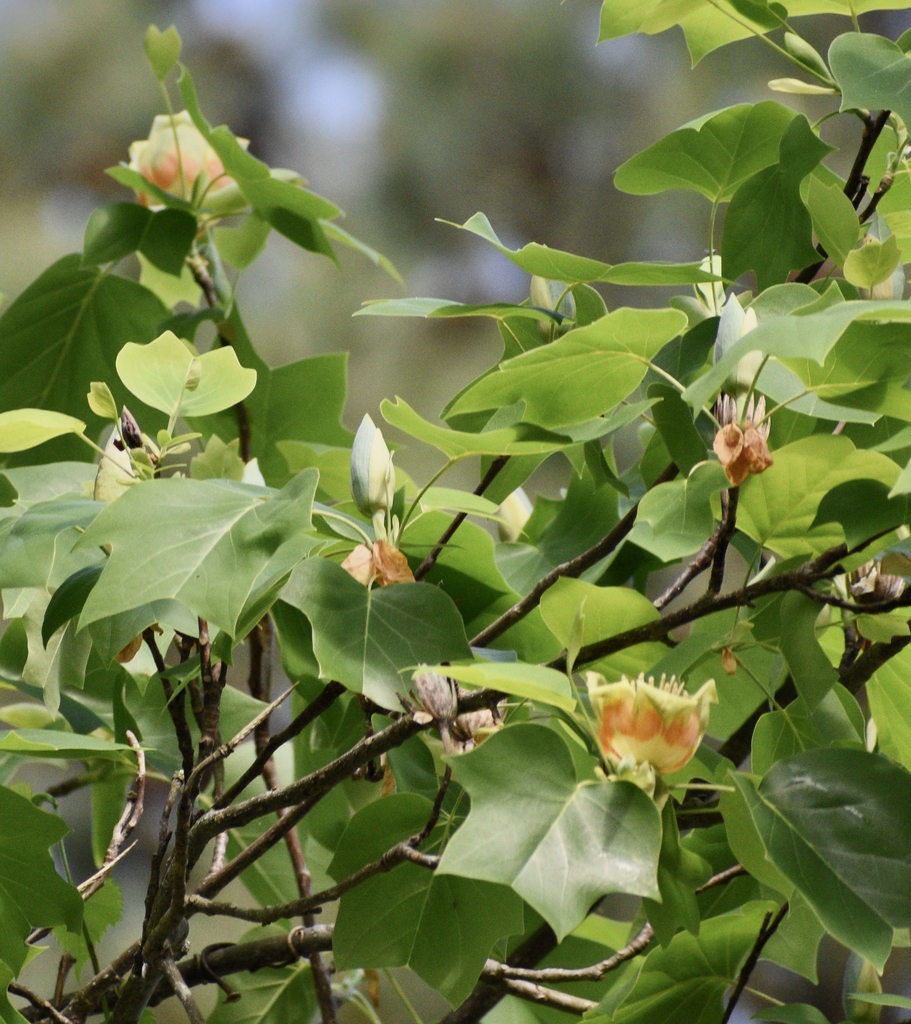
North Carolina's state tree grows tall and fast, often 80 to 100 feet at maturity, which makes it a real substitute for the scale tree of heaven leaves behind. It is a larval host plant for eastern tiger swallowtail butterflies, and its spring tulip-shaped flowers are a strong nectar source for bees.
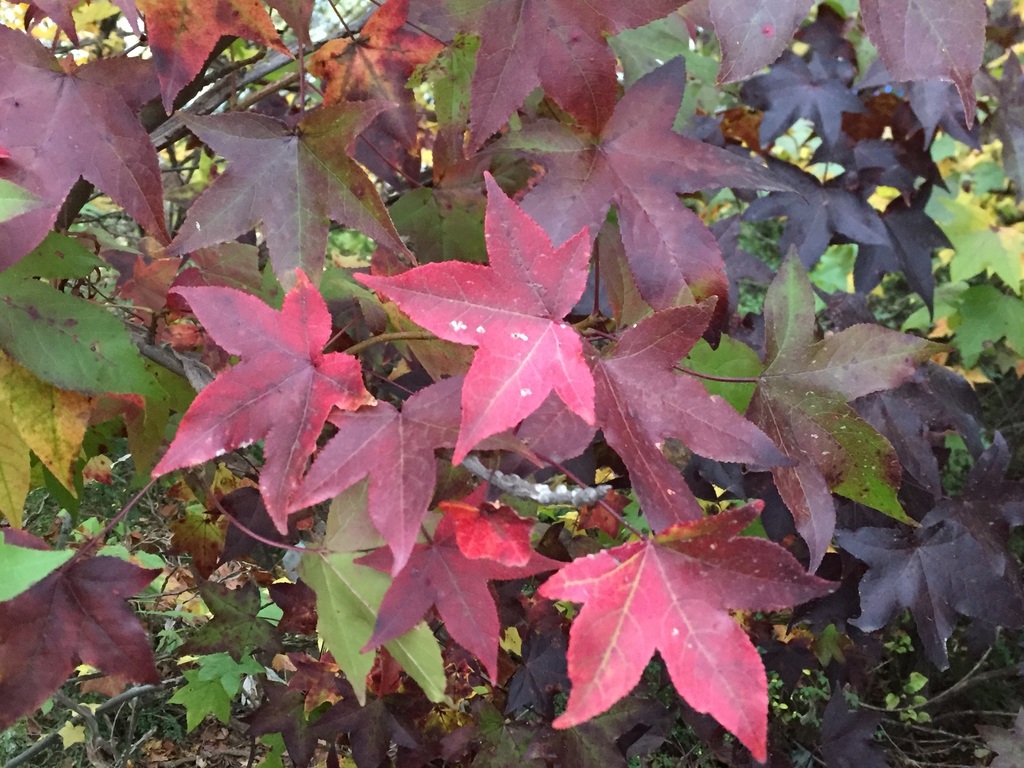
Fast-growing and adaptable to wet or dry soils, sweetgum brings star-shaped leaves and brilliant fall color. Its seed balls are a food source for goldfinches, chickadees, and squirrels through winter.
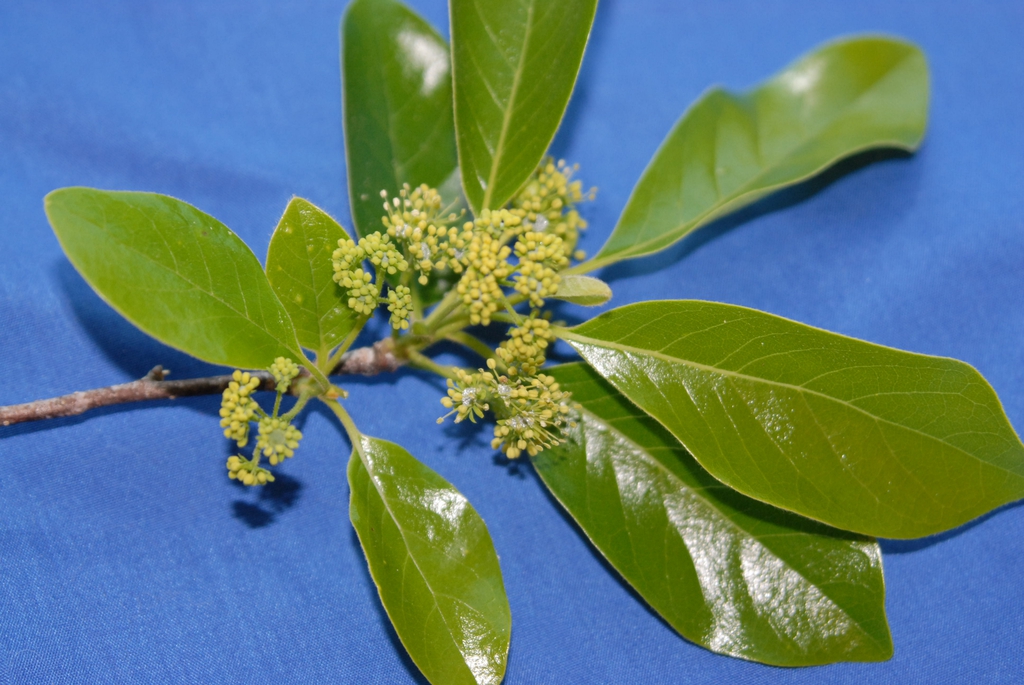
Also called black gum, this tree tolerates both wet and dry coastal plain soils and turns some of the earliest, most reliable scarlet fall color in the region. Its late-summer fruit feeds songbirds, wild turkey, and black bear (NC State Extension Plant Toolbox).
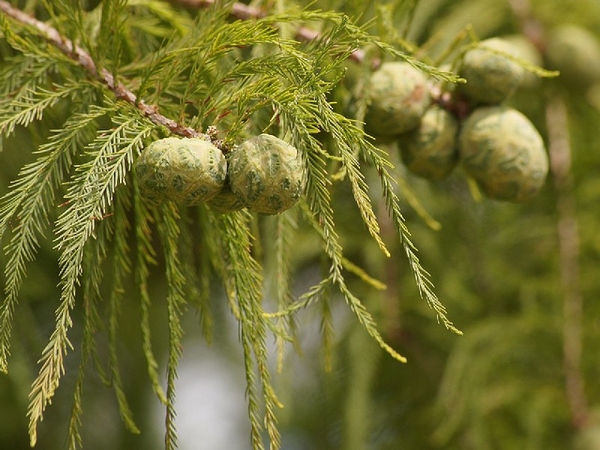
A deciduous conifer built for the coastal plain, tolerant of standing water, occasional drought, and salt spray alike. It anchors wet yards and low spots where few other large native trees will thrive.
What to Do If You Spot Spotted Lanternfly
Adults are roughly an inch long with gray forewings dotted in black and hindwings that flash red and black when they fly. Egg masses look like a smear of gray putty on tree bark, stone, or outdoor equipment, and they can be laid on almost any flat surface, not just tree of heaven. If you think you have found one in North Carolina, take a clear photo and report it directly to the North Carolina Department of Agriculture and Consumer Services rather than posting it for identification first. Early reports are what keep new populations from establishing (NC State Extension Forestry).
Swapping an invasive tree for a native one will not solve spotted lanternfly on its own. But it removes the one host this insect prefers above all others, and it replaces a tree with almost no wildlife value with one that feeds birds, pollinators, and butterflies for decades to come.