


Most gardening advice tells you to check your hardiness zone and leaves it there. But a zone number tells you exactly one thing: the average minimum winter temperature for your location. It says nothing about summer heat, humidity, rainfall patterns, or drought tolerance. For gardeners in the Southeast, those factors matter as much as the cold threshold, sometimes more.
The zones 7b through 9b span a wide arc of the South, from the NC Piedmont through the coastal plain and into coastal Georgia and beyond. Native plants that perform reliably across this range share a specific resilience profile. Understanding what the range actually demands helps you choose plants that last.
What the Zone Numbers Mean
The USDA Plant Hardiness Zone Map is built on one measurement: the average annual minimum winter temperature, calculated from 30 years of climate data. Zone 7b means your coldest night of the year averages between 5 and 10°F. Zone 8b sits between 15 and 20°F. Zone 9b reaches 25 to 30°F minimum, mild enough that a hard freeze is unusual but not impossible.
Wilmington, NC falls in zone 8b. Much of the NC Piedmont sits in zones 7b to 8a. Coastal areas of South Carolina and Georgia can reach into zone 9a. If you are gardening anywhere in this stretch, winters are relatively mild by eastern US standards, but hard freezes still happen and plants need to handle them without much warning.
What the zone map does not tell you: how many days above 90°F you will see in August, how quickly humidity compounds heat stress on shallow-rooted plants, or whether your soil holds moisture through a dry summer. Native plants of the Southeast have evolved to handle all of it, which is one reason they stay reliable where non-natives struggle.
The Shared Demands of Zones 7b Through 9b
Gardens across this range share more than they differ. Long summers, high humidity, and periodic drought define the growing season across the coastal Southeast. Winters are short but can include sudden cold snaps that drop temperatures 30°F overnight. Plants that thrive here need summer heat tolerance and winter cold hardiness at the same time.
That is the profile native plants were shaped to fit. Wax Myrtle (Morella cerifera) holds its leaves through zone 7b winters and still looks good in August heat in zone 9b. Little Bluestem (Schizachyrium scoparium) turns copper-red in December and stands through late-summer drought without complaint. These are not accidents. They are ecological fits.
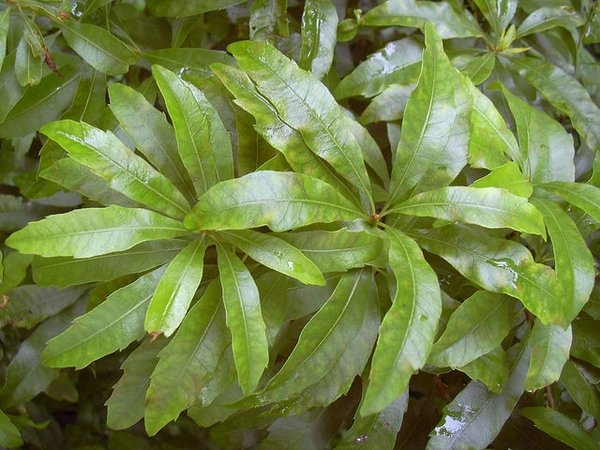
A fast-growing, evergreen shrub-to-small-tree of the NC coastal plain, Wax Myrtle handles zone 7b winters and zone 9b summers without missing a beat. Its aromatic foliage deters deer, and the waxy gray berries are a key fat source for Yellow-rumped Warblers during fall migration. Equally at home in wet sites, dry sandy soil, and salt-exposed coastal edges.
Where the Zones Diverge
The 25°F spread from zone 7b to zone 9b creates real differences. In zone 7b, a cold snap to single digits happens most winters, enough to damage or kill plants with marginal hardiness. American Beautyberry (Callicarpa americana), for example, dies back to the ground in a hard zone 7b winter but comes right back from the roots in spring. In zone 9b, that same plant stays woody and full-sized year-round.
This means coastal plain natives sometimes behave differently when grown farther inland or at higher elevations. A zone 8b native that stays evergreen in Wilmington may act like a semi-herbaceous perennial in Raleigh. That is not failure. That is the plant responding accurately to its conditions.
For gardeners near the cold edge of zone 7b, it is worth paying attention to the origin of the native plants you buy. A Yaupon Holly (Ilex vomitoria) grown from Outer Banks seed stock may be better adapted to salt exposure and mild winters than one propagated from piedmont populations. Local provenance matters for long-term performance, especially at the zone boundary.
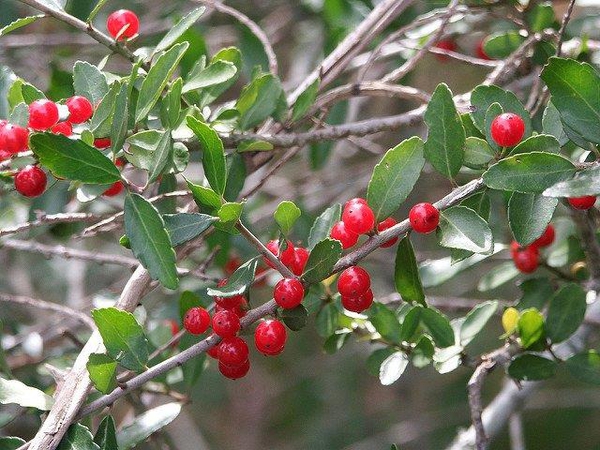
Native Plants That Work Across the Full Range
The species below are native to NC and the Southeast and perform across all of zones 7b through 9b. They are a practical starting point for any garden in this range.
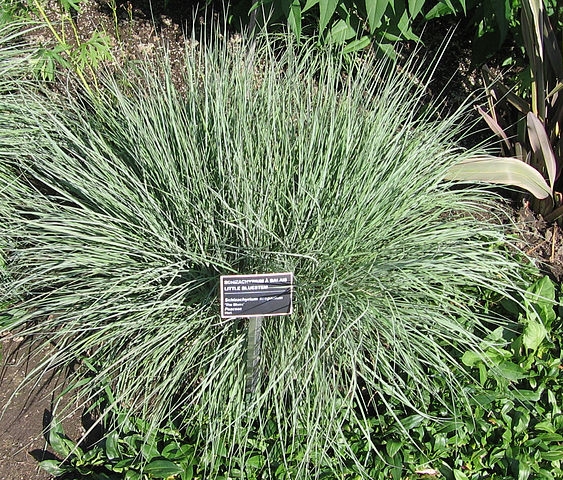
A warm-season bunchgrass that grows from zones 3 through 9. Little Bluestem's seeds feed songbirds from fall through early spring, and its clump structure provides overwintering cover for native bees and beneficial insects. Turns copper-bronze in winter and holds that color until new growth pushes in late spring. Very drought tolerant once established.
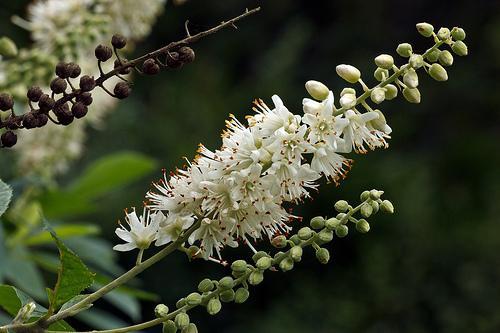
One of the few native shrubs that blooms in July and August, when most woody plants have already finished. Its fragrant white flower spikes attract bumblebees, swallowtails, and hummingbird clearwing moths. Tolerates wet soil and shade, which makes it useful in spots where most shrubs struggle. Reliably hardy zones 3 through 9.
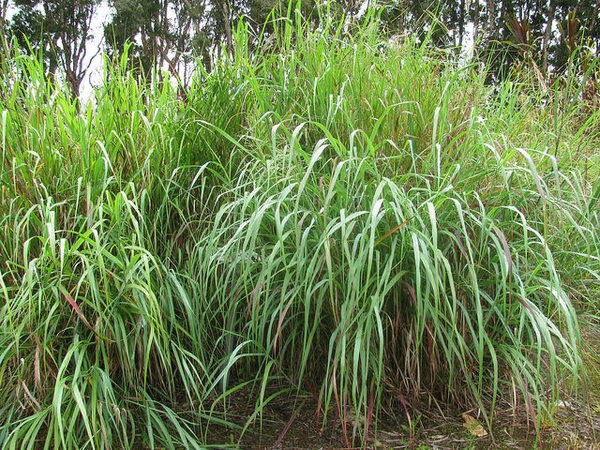
A tall warm-season grass native to prairies, marshes, and open woodlands across the eastern US. Switchgrass grows in zones 5 through 9, handles both flooding and drought, and provides seed and cover for small mammals and birds through late fall. One of the most structurally useful native plants for year-round garden interest.
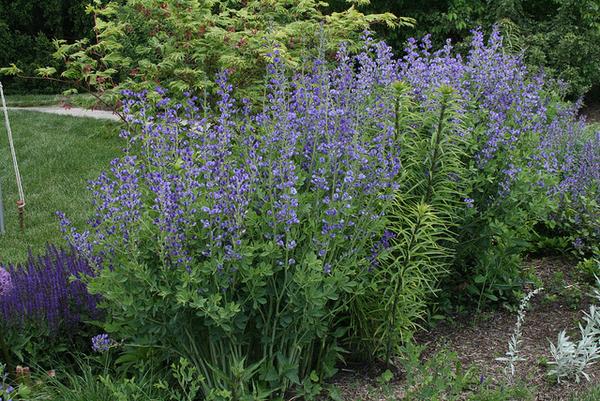
A long-lived native perennial with blue-purple flowers in spring and inflated black seed pods that persist through fall. Wild Indigo is slow to establish but essentially permanent once it does. Its roots fix nitrogen, building soil over time. A specialist bee host plant and one of the most reliable perennials for zone 7b through 9b gardens.
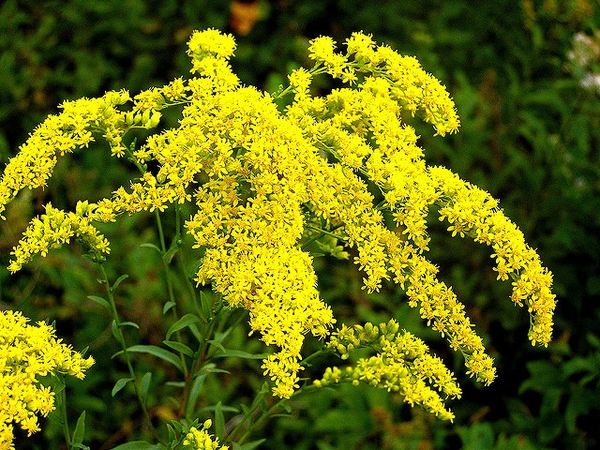
More than 20 goldenrod species are native to North Carolina. As a group, they are among the most ecologically important fall-blooming plants in eastern North America, supporting over 100 bee species, dozens of specialist insects, and late-season migrating butterflies. Any NC-native species is a worthwhile addition to a zone 7b through 9b garden.
If you are in zones 7b through 9b and want a structured approach to building a native garden across four seasons, the Quarterly Seed Subscription Box is launching in July 2026. Each box is designed for companion planting in this exact zone range, scaled by bed size. The waitlist is open now.