

If you planted a native holly or wax myrtle and waited years for berries that never came, the plant isn't broken. It may just be alone. Dioecious species have separate male and female individuals, and only females produce fruit. Without a male nearby, pollination doesn't happen.
This matters for wildlife. Many of the best native shrubs in the NC coastal plain rely on their berries to feed birds and small mammals through fall and winter. Knowing which plants need a partner changes how you buy them and where you put them.
What Dioecious Means
The word comes from the Greek for "two households." Male flowers and female flowers grow on separate plants rather than together on the same individual. That's different from monoecious species like oaks, where each tree carries both pollen-producing and seed-producing flowers.
For dioecious plants, pollination still requires insects or wind to move pollen from a male to a female. If only one sex is present, the females set no fruit. No berries means no food for Cedar Waxwings, mockingbirds, and the other wildlife that depend on those plants from fall through early spring.
Native Dioecious Shrubs for NC Gardens
Most of the best berry-producing natives in the NC coastal plain fall into this category. Wax Myrtle is the one that surprises people most often because it grows so readily and looks healthy even when it isn't fruiting.
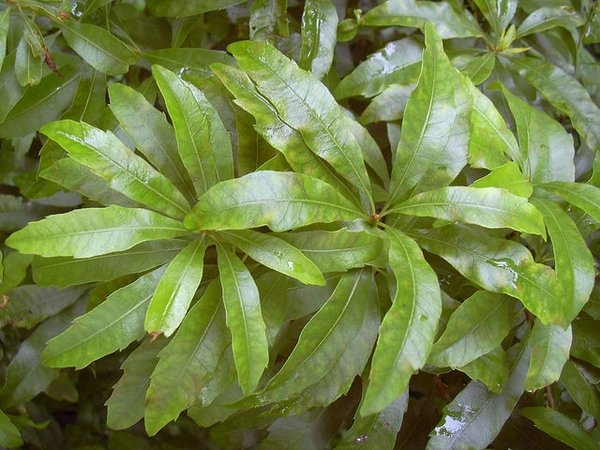
A coastal plain staple that handles salt spray, wet soil, and drought once established. Female plants produce waxy blue-gray berries that Yellow-rumped Warblers depend on during fall migration. Males produce no fruit but are required for pollination. A ratio of two females to one male works well in larger plantings.
The holly family presents the same dynamic at three different scales, from compact shrubs suited to wet spots to specimens that hold their berries well into winter.
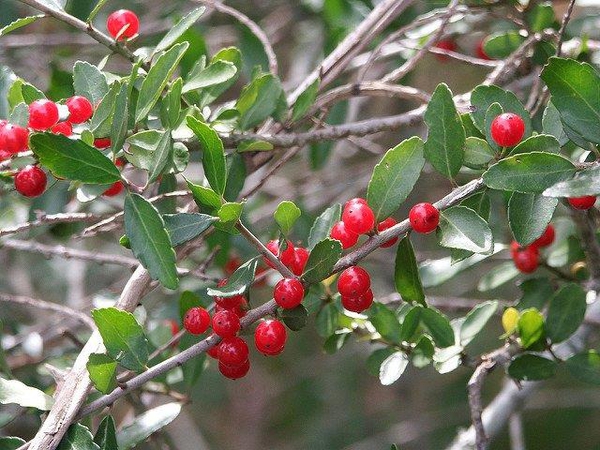
NC's only native caffeinated plant and one of the most adaptable shrubs on the coastal plain. Female plants hold red berries through winter. Males need to be present but produce nothing showy on their own. Tolerates standing water, salt, and heavy clay.
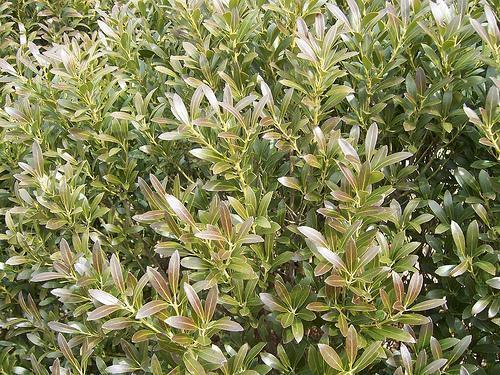
A compact evergreen holly for wet areas and shade. The small black berries are less showy than other hollies but still attract birds in winter. Works in rain gardens and low areas where other shrubs won't survive. Spreads slowly by suckers to form a colony over time.
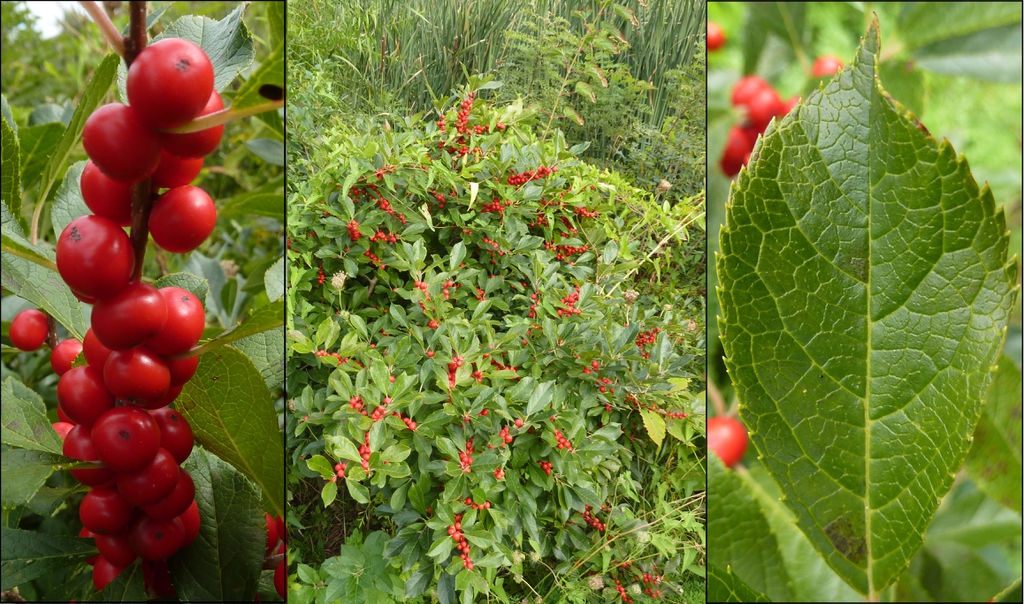
Deciduous, so the bright red berries are fully visible on bare stems through winter — some of the best bird habitat in a dormant garden. Requires a nearby male, and cultivar pairing matters because bloom time shifts between varieties. Ask your nursery which male pollinates which female.
American Persimmon: The Dioecious Tree Worth Planting
American Persimmon (Diospyros virginiana) is one of the most valuable native food sources for wildlife in the Southeast. Box turtles, deer, raccoons, foxes, and dozens of bird species eat the fruit. It is fully dioecious. Only female trees produce persimmons, and a male must be present for pollination.
Persimmon can receive pollen from male trees a fair distance away via wind, so a lone female in a neighborhood where wild persimmons grow nearby may still fruit. In cleared suburban settings, planting both sexes is the safer approach. Female trees will grow for years and produce nothing if no male is within range.
A mid-size native tree that produces orange fruit in fall when a male is present. The fruit is astringent before frost and sweet after. One of the most important native food trees for wildlife in the NC coastal plain. Suckers readily and can naturalize in open woodland edges.