

Zone 8b in North Carolina covers the coastal plain — Wilmington, Brunswick County, the barrier islands, and everything along that flat strip where sandy soil meets brackish water. It is a zone defined by long, humid summers, mild winters, and soil that drains faster than most people expect.
The native plants on this list have evolved alongside those exact conditions. They hold up through drought, salt spray, and summer heat once established, and every one of them does meaningful work for the local food web.
What Zone 8b Means Here
USDA Zone 8b means average annual minimum winter temperatures between 15 and 20°F. In coastal NC, that translates to a long growing season — planting can start in mid-March and often continues through early December. Summer heat is the harder limit. By mid-July, most non-adapted perennials begin to show stress.
Coastal plain soils are typically sandy, acidic, and low in organic matter. They warm up quickly in spring but also dry out fast. Natives of this region evolved with these soils and generally need less amendment and less water than non-adapted ornamentals.
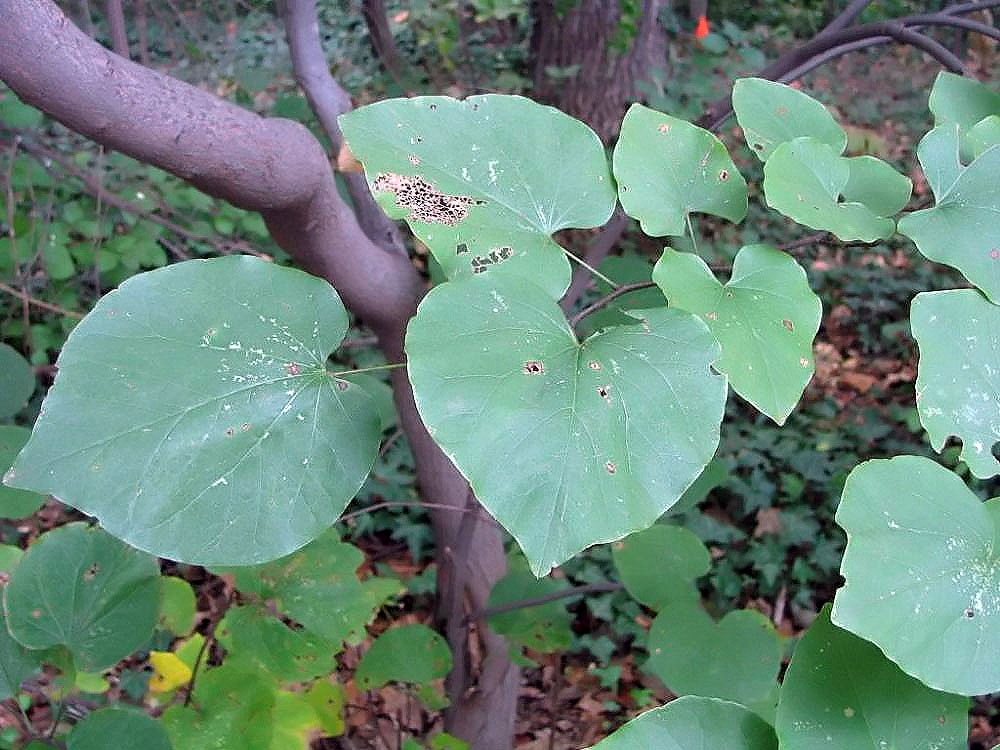
One of the first natives to bloom each spring, Cercis canadensis lights up bare branches with pink-purple flowers before any leaves emerge. It reaches 20 to 30 feet and tolerates full sun to part shade once established. Early-season bees rely heavily on it when little else is blooming. Excellent at the edge of a woodland or as a specimen tree in a smaller yard.
A Coastal Stalwart Worth Building Around
Before filling in the mid-story and perennial layer, consider anchoring a planting with one of the region's most reliable natives.
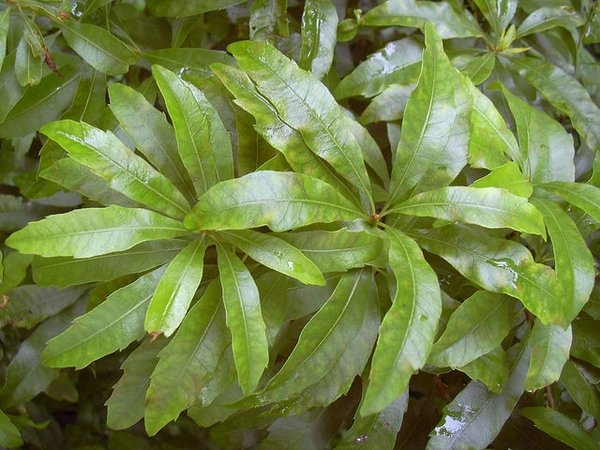
Shrubs and Perennials for Coastal Sites
Each species below is native to the NC coastal plain and suited to zone 8b sandy soils. All are available at native plant nurseries in the region.
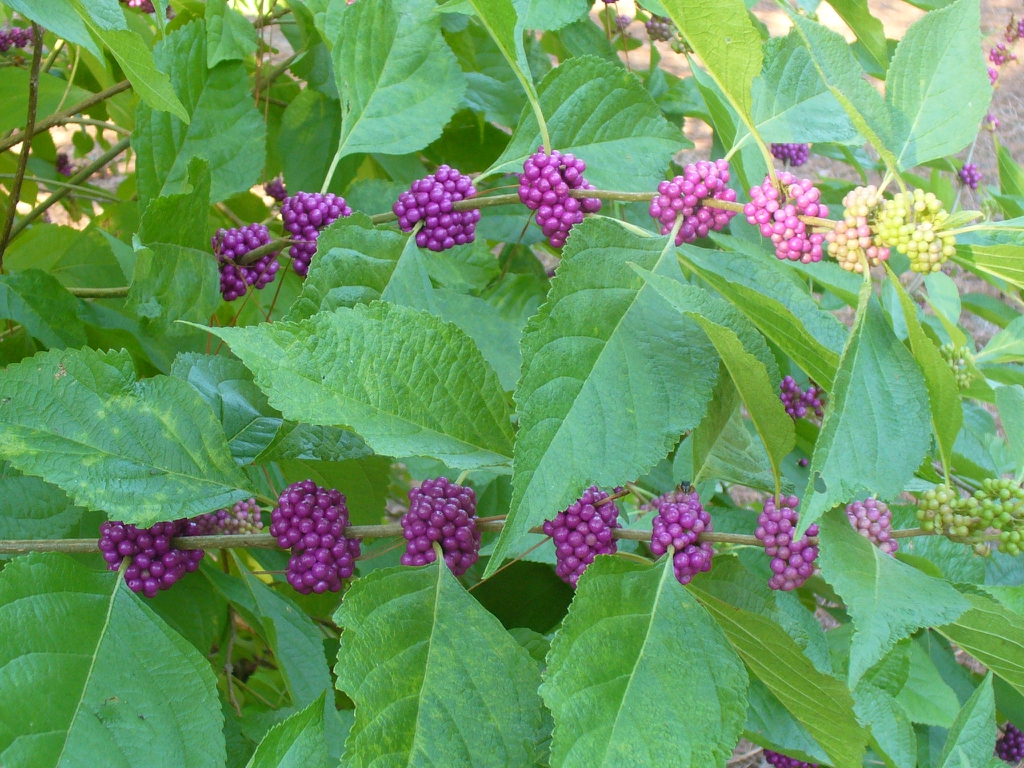
Electric purple berry clusters line arching stems in early fall. Callicarpa americana reaches 3 to 6 feet, tolerates light shade, and drops its leaves early to leave the berries on full display for cedar waxwings, mockingbirds, and brown thrashers.
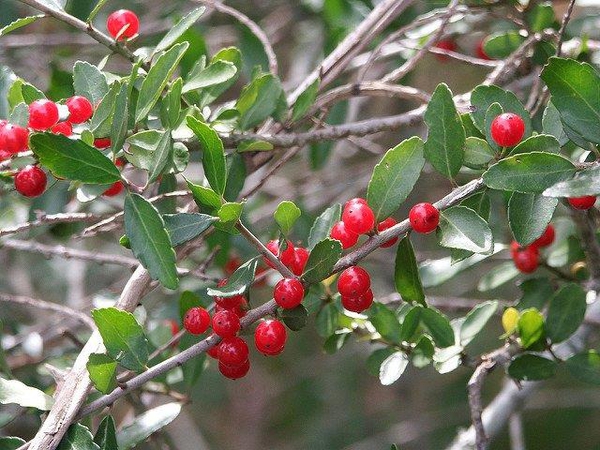
Arguably the most versatile native evergreen for coastal NC. Ilex vomitoria handles salt, drought, wet feet, and hard pruning without complaint. Female plants produce red berries that feed birds through winter — look for a named female cultivar to guarantee fruit. Also the only caffeine-producing plant native to North America.
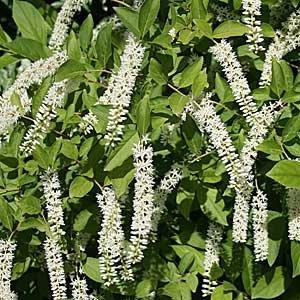
Fragrant white flower spikes in late spring, glossy foliage through summer, and deep red fall color that holds late into the season. Itea virginica tolerates everything from wet ditches to average garden beds. 'Henry's Garnet' is the most reliable cultivar for coastal gardens.
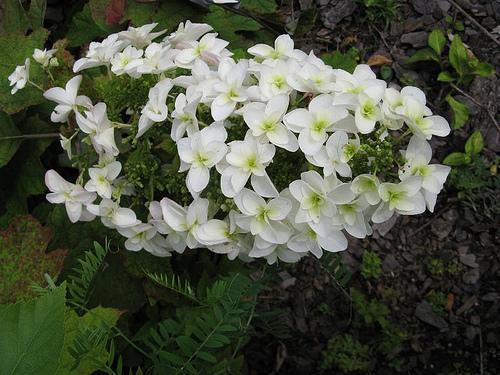
A true four-season native: conical white flower panicles in early summer, orange-red fall color, peeling cinnamon bark in winter, and oak-shaped foliage that is interesting on its own. Hydrangea quercifolia reaches 6 to 10 feet and performs best with afternoon shade in zone 8b.
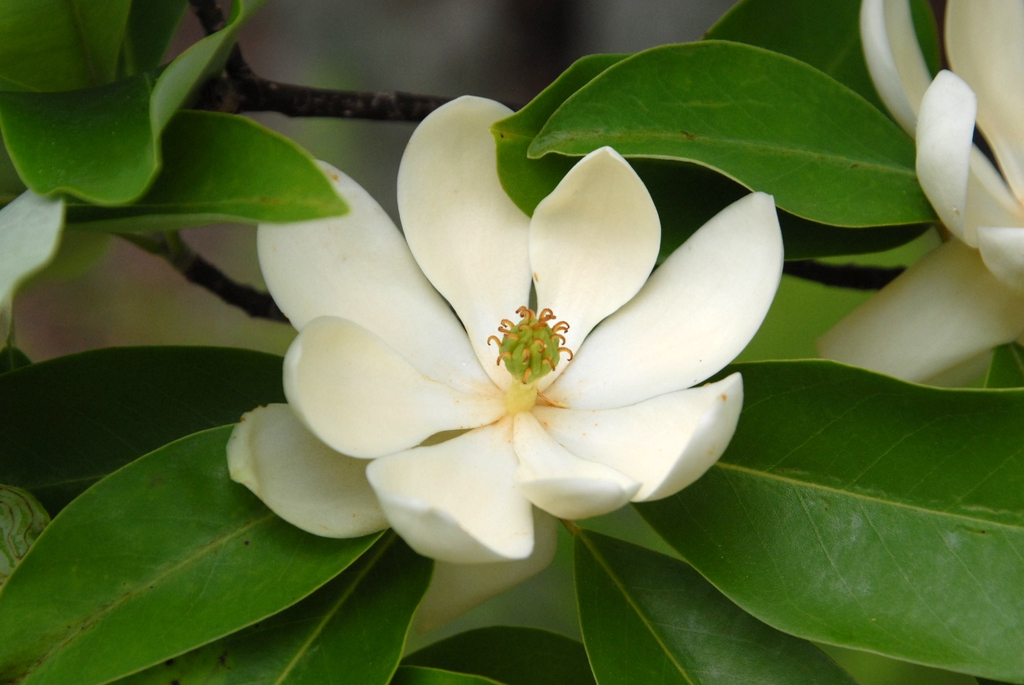
Smaller and more adaptable than Southern Magnolia. Creamy white, lemon-scented flowers appear in late spring and continue sporadically through summer. Magnolia virginiana reaches 10 to 30 feet and handles wet soils well — a good choice near a rain garden or low-lying area.
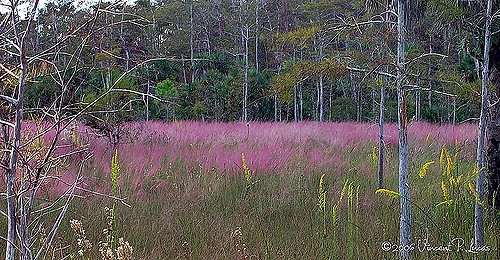
A native warm-season bunchgrass that puts on a spectacular pink-purple display in October. Muhlenbergia capillaris reaches 2 to 3 feet and asks for almost nothing: full sun, sandy soil, no supplemental water once established. Leave it standing through winter for texture and sparrow forage.
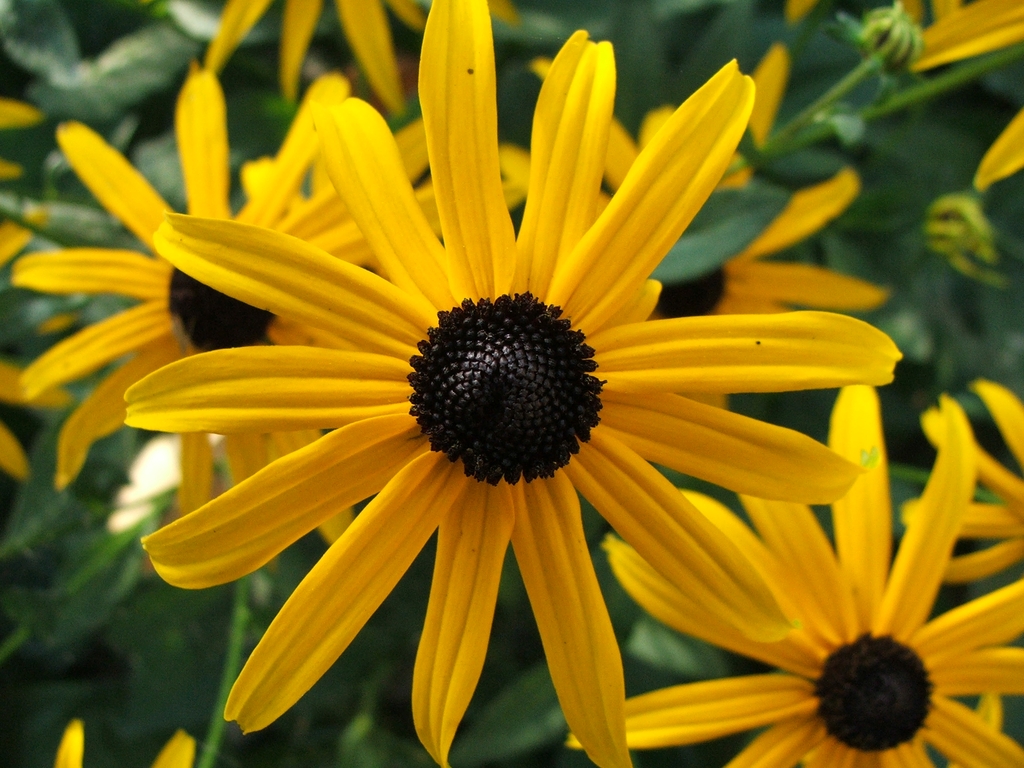
The summer workhorse of native perennials. Golden-yellow daisy flowers from June through September, highly drought tolerant once established, and heavily visited by native bees and small butterflies. Leave the seed heads standing into winter for goldfinches.
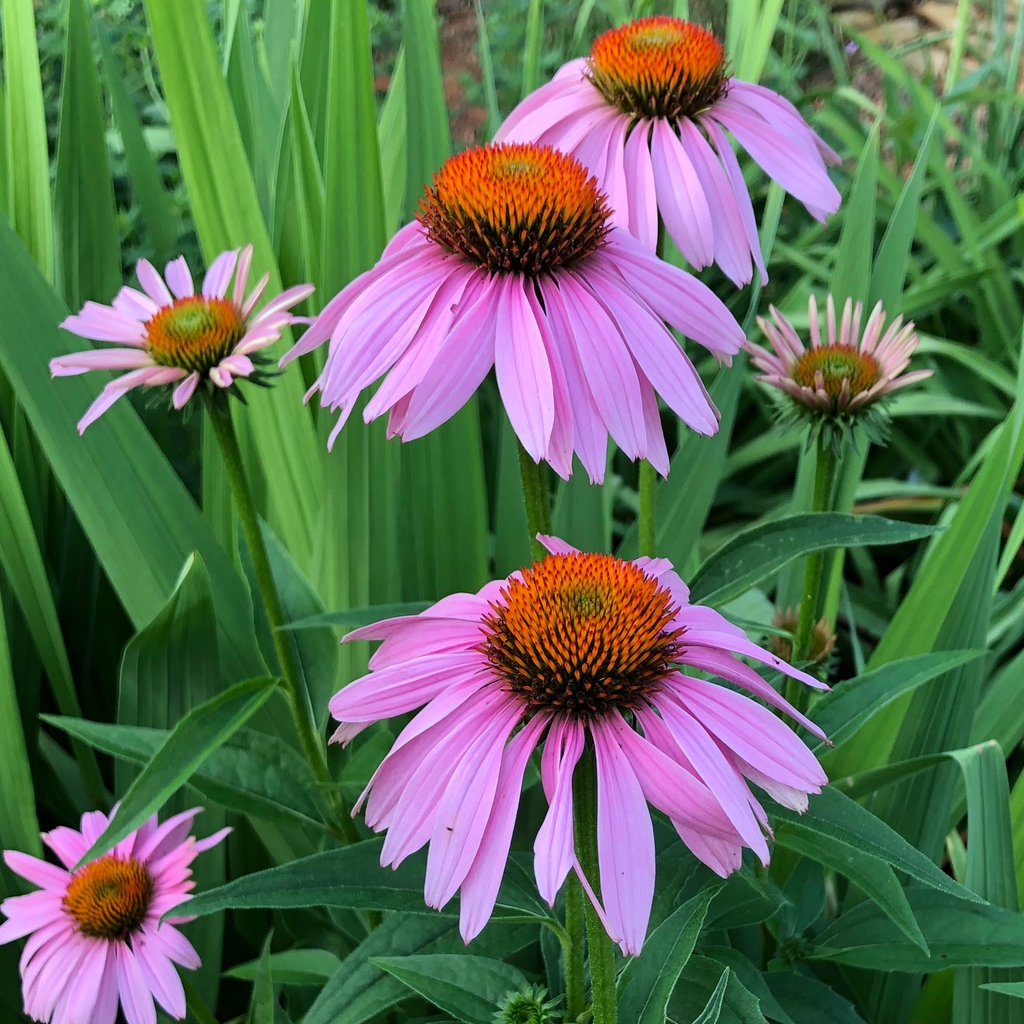
Reliable, long-blooming, and a pollinator favorite. Echinacea purpurea flowers from June into September, then its seed heads feed goldfinches well into fall. Prefers full sun and tolerates the heat and dry spells typical of zone 8b summers.
When to Plant
Fall is the most forgiving planting window in coastal NC, but spring works too! From mid-March through late May, roots have time to settle in before July heat arrives. Water consistently through the first summer, then back off — the plants on this list are adapted to drought once established.
Fall is equally strong for woody shrubs and trees. From late October through early December, cool air and warm soil combine for low-stress root development. Avoid planting during July and August heat unless you are prepared to hand-water daily.
What to Leave Alone
What you do not do matters as much as what you plant. Leaf litter left on the ground over winter is overwintering habitat for native bee pupae and butterfly chrysalises. Cleaning it up in fall removes the wildlife you are trying to attract. Hollow perennial stems provide the same for cavity-nesting bees — cut them back in early spring, not fall.
Pesticides, even those marketed as selective, affect the insect community broadly. A yard that looks tidy but is chemically maintained cannot support the food web these natives are meant to build.
The native species featured on Plant Ecologist enamel pins and stickers — from the Venus Flytrap (Dionaea muscipula) to monarchs, milkweed, and the Eastern Redbud above — all live in or pass through zone 8b coastal NC. If you are working on a native garden and want a reminder of what is out there, the NC Native Plants pin is a small way to keep the list close.