

Black-eyed Susan (Rudbeckia hirta) blooms in July and August across North Carolina, lining roadsides, meadows, and garden borders with bright yellow flowers. It is one of the most recognizable native wildflowers in the state. It is also the only pollen source for the larvae of one native bee.
That relationship is worth understanding before you plant or pull one.
A Bee That Only Uses Rudbeckia
Andrena rudbeckiae is a solitary ground-nesting bee found across the eastern US, including North Carolina. It is an oligolect, which means it collects pollen from only one plant group. For this bee, that group is Rudbeckia. Females provision their nest burrows with Rudbeckia pollen almost exclusively. Without it, their larvae do not survive.
This kind of tight relationship is common in native bee ecology and largely invisible to people who do not know to look for it. Andrena rudbeckiae is a small bee, easy to overlook on a flower. But if you grow Black-eyed Susan, you are supporting a bee with no alternative food source for its young.
Beyond the specialist, Black-eyed Susan attracts a wide range of generalist bees: bumble bees, sweat bees, small carpenter bees, and more. The pollen is exposed on a central cone rather than hidden inside a tube, which makes it accessible to insects with short tongues. That open design serves a lot of visitors.
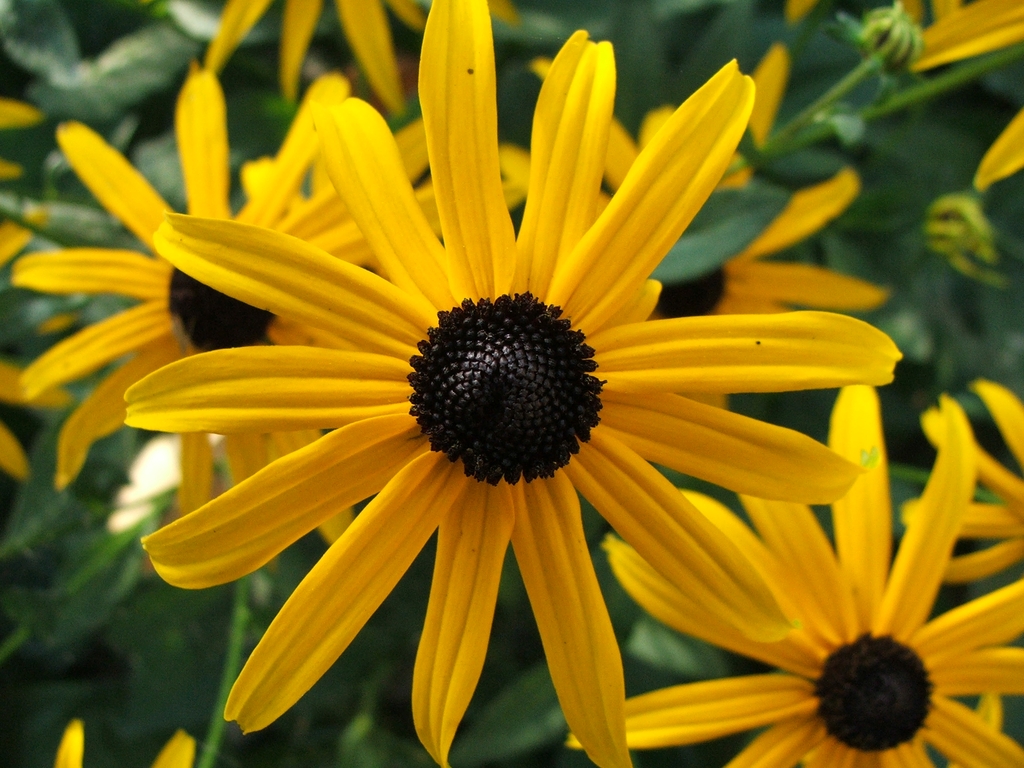
A short-lived native wildflower found in NC meadows, roadsides, and disturbed areas statewide. Blooms July through September. Supports both specialist and generalist pollinators, and its seed heads feed goldfinches into fall and winter. Tolerates poor, sandy soils and full sun.
Annual, Biennial, or Short-Lived Perennial?
Rudbeckia hirta does not fit neatly into one category. Depending on conditions, it can behave as an annual, a biennial, or a short-lived perennial. In North Carolina, it most often flowers in its second year from seed, then sets seed heavily before dying. This is the biennial pattern.
In practice, this means: if you start from seed in spring, expect foliage the first year and flowers the second. Once flowering begins, the plant produces enough seed to self-sow and maintain a colony. You do not need to replant every year. You do need to let the seed heads stand through fall and winter, which also feeds goldfinches and chickadees.
Cutting the plants down in late summer will eliminate the seed bank and break that cycle. Leave them standing instead.
What to Plant Alongside It
Extending the bloom sequence before and after Black-eyed Susan peaks.
Black-eyed Susan blooms from July into September. Pairing it with species that come in just before and just after keeps the garden working for pollinators from early summer through frost. These three NC natives slot in well around it.
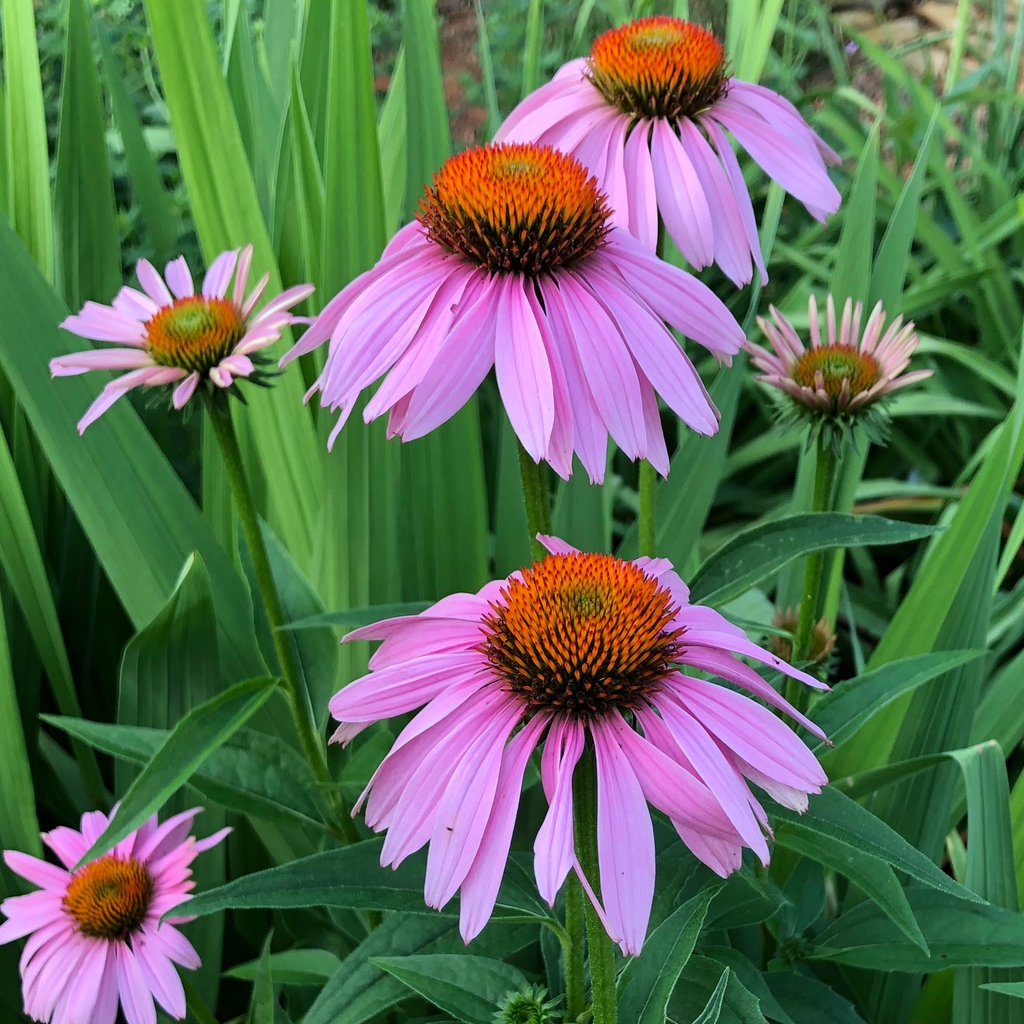
Blooms June through August, overlapping with Black-eyed Susan's peak. The exposed cone hosts specialist bees of its own and is a reliable food source for bumble bees. Long-lived once established in well-drained NC soils.
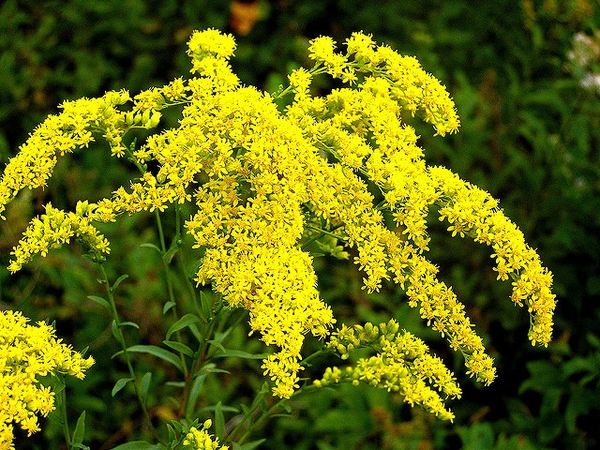
Takes over as Black-eyed Susan trails off, peaking August through October. One of the most important late-season pollen sources in NC. Monarch butterflies rely on goldenrod nectar during their fall migration south.
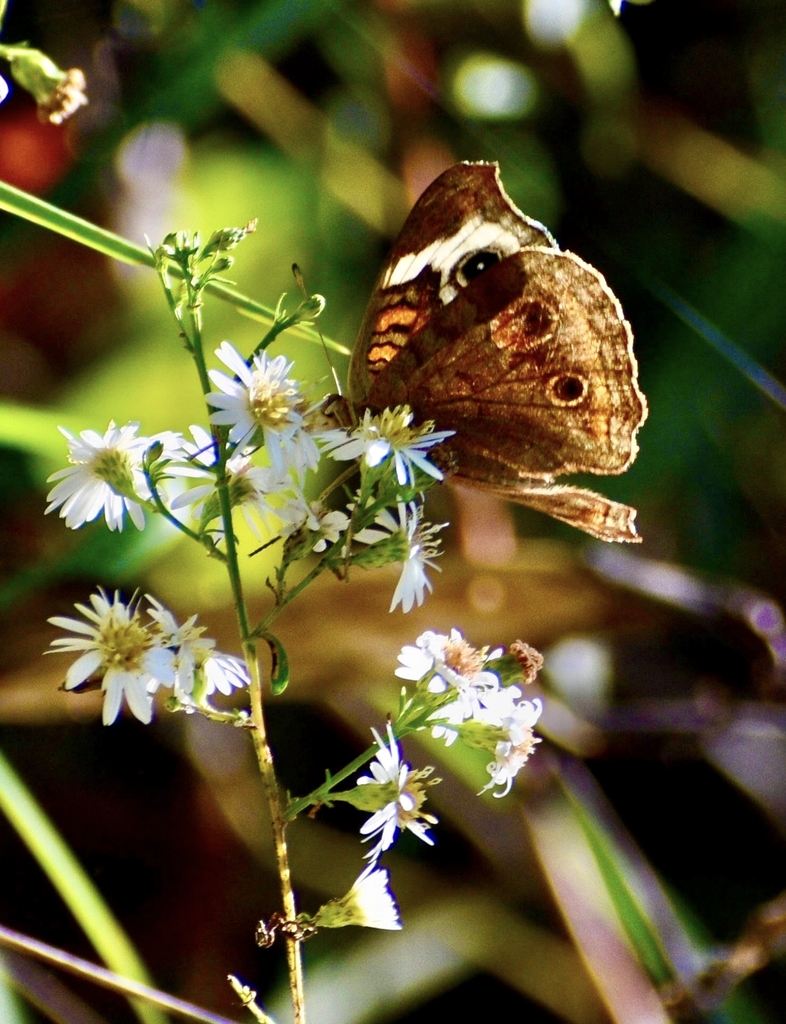
Blooms September through November, carrying the season to frost. Native asters support more than 100 bee species in the eastern US. Several species are native to the NC coastal plain and handle sandy, well-drained soils well.