

Butterfly bush (Buddleja davidii) is one of the most commonly sold pollinator garden plants. The blooms are real, butterflies do feed on them, and it looks convincing in a nursery tag photo. The problem is everything it doesn't do — and in North Carolina, where we have a rich community of native butterflies and specialist insects, that gap adds up.
If you want to genuinely support butterflies here, there are better plants. These five NC natives bloom in the same summer window as butterfly bush and feed butterflies at every life stage — not just adults looking for nectar.
The Problem With Butterfly Bush
The nectar in Buddleja davidii is real. Adult butterflies feed on it. But Buddleja is native to central China and has no ecological history with North Carolina's insects. No native caterpillar uses it as a host plant. No native bee has specialized to feed on its pollen. It attracts pollinators the way a fast food sign attracts hungry travelers — it works, but it's not building anything.
The bigger issue is what you're giving up. A garden slot planted in butterfly bush is a slot that isn't doing more. A native alternative in the same space can provide nectar for adults, host plant tissue for caterpillars, and pollen for specialist native bees — all from one plant.
Butterfly bush also seeds out aggressively in disturbed areas. It isn't listed as invasive in North Carolina at the time of writing, but it has naturalized in riparian zones and roadsides in neighboring states, and the sterile cultivars reduce but don't eliminate seed set. That's worth factoring in if you garden near a natural area.
Five NC Native Alternatives
These species bloom from June through October, covering the same peak butterfly season as butterfly bush and extending past it.
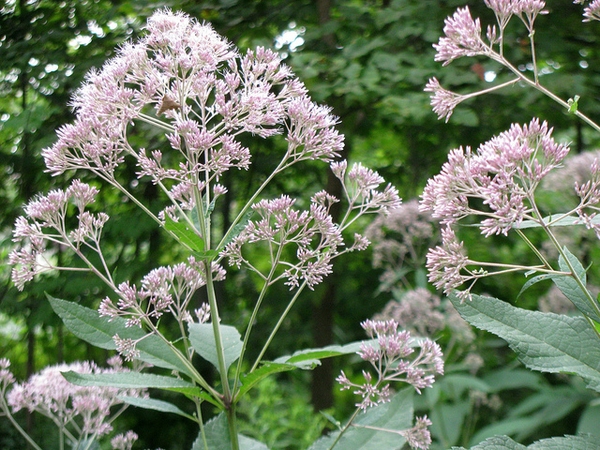
Hollow-stemmed Joe Pye Weed is a tall, late-summer powerhouse — six to ten feet at maturity — with dusty-pink flower clusters that bloom from July into September. It is one of the most documented late-summer nectar plants in the eastern US, drawing swallowtails, fritillaries, skippers, and a long list of specialist native bees. Monarchs feed on it heavily during their fall migration. It grows in moist to average soil and tolerates clay, making it adaptable to most NC garden conditions.
Ironweed blooms August through October in vivid purple clusters that are hard to miss in any landscape. Swallowtails, fritillaries, and multiple skipper species feed on it regularly. It grows three to six feet tall and prefers moist soil, making it a natural fit for rain gardens or low spots that stay wet after storms. The color is genuinely striking and holds up through early frost.
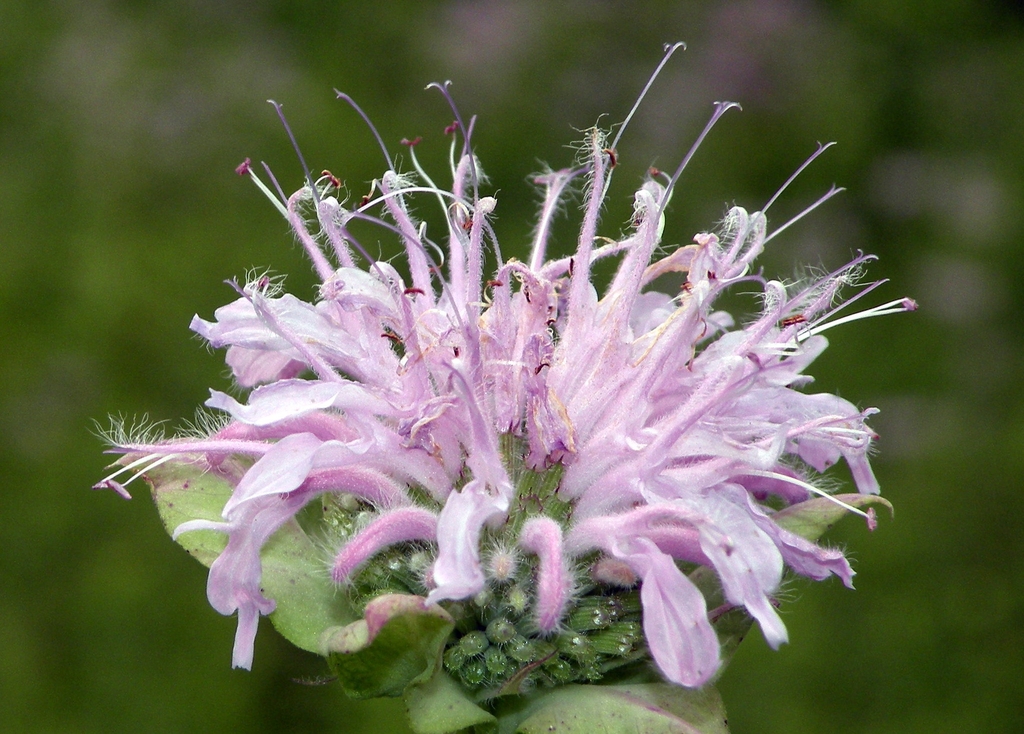
Wild Bergamot blooms June through August with lavender-pink flower heads that butterflies, native bees, and hummingbirds all use. It spreads by rhizome and can form a colony over time, which works well if you give it the space. For coastal plain gardens specifically, Monarda punctata (spotted beebalm) is also worth looking at — it's a native of the NC coastal plain and handles dry, sandy soil better than most beebalms.
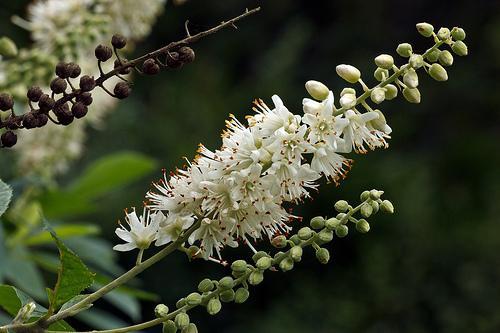
Summersweet is one of the most underused native shrubs for coastal NC. It blooms in July and August with fragrant white spikes, handles salt spray, wet soil, and part shade, and still manages decent fall color. Native bees and butterflies both feed on it. It grows three to six feet and stays tidy without much management. If you're in the coastal plain and have a spot that's sometimes wet and sometimes in shade, this is the plant.
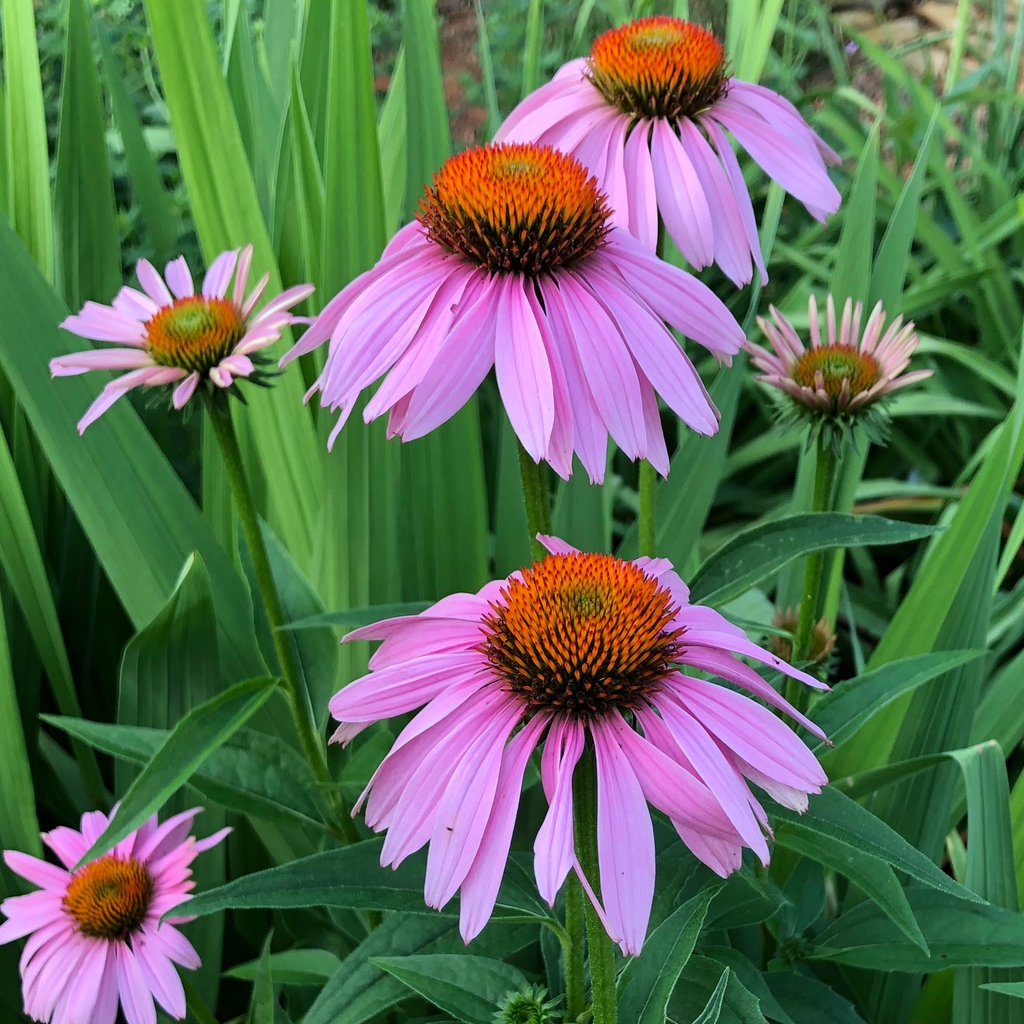
Purple Coneflower blooms June through August and keeps giving after the petals drop — American Goldfinches work the seed heads through winter. Swallowtails, painted ladies, and native bees all visit the flowers. Its native range in NC skews toward the piedmont and mountains rather than the coastal plain, but it's widely grown across the state and performs well in garden settings throughout. Worth knowing the distinction, but it earns its space.
Nectar vs. Host Plants: The Distinction That Actually Matters
The butterfly bush conversation usually gets stuck on nectar. But adult butterflies that only find nectar and no host plants can't complete their life cycle where you live. Caterpillars need specific plants — often very specific ones — to eat. Without host plants nearby, the butterflies visiting your garden are passing through, not staying.
None of the plants above are comprehensive butterfly host plants on their own, but they can be part of a system that is. Pair Joe Pye Weed with common milkweed (Asclepias syriaca) or butterfly weed (Asclepias tuberosa) and you've covered monarchs from egg to adult. Add native violets (Viola spp.) to the mix for fritillaries. The nectar plants above draw the adults in — the host plants are what make them stay.