


Midsummer in the garden, and something large is hovering low over a bare patch of ground. Then another. Then a third. Eastern cicada killers (Sphecius speciosus) are among the biggest wasps in North Carolina, and they show up every summer at the same time the questions do: What is that thing? Is it going to sting me? Should I spray it?
The answer to the last question is no. Here is what cicada killers actually are, why they appear in gardens with the right conditions, and which native plants turn your yard into a place they can thrive alongside you.
What Is an Eastern Cicada Killer?
Sphecius speciosus is a solitary digger wasp — not a yellow jacket, not a hornet, and not a bee. Females are large, often exceeding an inch in length, with rusty-orange wings and a black-and-yellow banded abdomen. Males are smaller and more erratic, patrolling nesting sites with dive-bomb passes that look aggressive and are completely harmless. Males have no stinger. They physically cannot sting you.
Females can sting but almost never do. Their attention is elsewhere: locating annual cicadas in tree canopy, paralyzing each one with a targeted sting to the thorax, and carrying them back to underground burrows. A single burrow cell contains one fertilized egg and one or two paralyzed cicadas — the entire food supply for one larva. The female provisions burrow cells across a short, intense season and then she is gone.
Unlike yellow jackets, cicada killers are not colonial. Each female digs her own burrow, provisions her own cells, and has no colony to defend. She will not chase you. She will not recruit nestmates if you walk too close. Her entire focus is hunting, and you are irrelevant to that process.
Why They Choose Certain Gardens
Cicada killers are particular about nesting sites. They dig in open, sunny, south-facing ground with well-drained and preferably sandy soil. The coastal plain of North Carolina is close to ideal — open, sandy, warm, with the kind of sparse ground cover that makes digging practical. They prefer areas where the soil surface is not matted by dense root systems or buried under heavy mulch.
They also need annual cicadas within foraging range. Several species in the genus Neotibicen sing from the canopy of broadleaf trees through the same summer weeks when cicada killers are active. Mature oaks, hickories, and other hardwoods supply the cicada populations females depend on for provisioning larvae.
What discourages them: compacted or paved ground, deep shade, mulch layered directly over potential nesting spots, and broad-spectrum insecticide use. If your garden has open sunny ground adjacent to native plantings and mature trees, you may host them. That is a feature of a healthy yard, not a problem to solve.
Native Plants That Support Cicada Killer Habitat
Adult cicada killers feed on nectar. The open, sunny conditions they need for nesting are the same conditions where NC's best summer wildflowers thrive.
Cicada killers do not require specialist plants — they will find good nesting habitat on their own. But the open meadow-style planting that supports their nesting environment also provides nectar for adults and structure for dozens of other native insects. Full sun, well-drained soil, and a mix of summer-blooming native flowers: that combination works across the board.
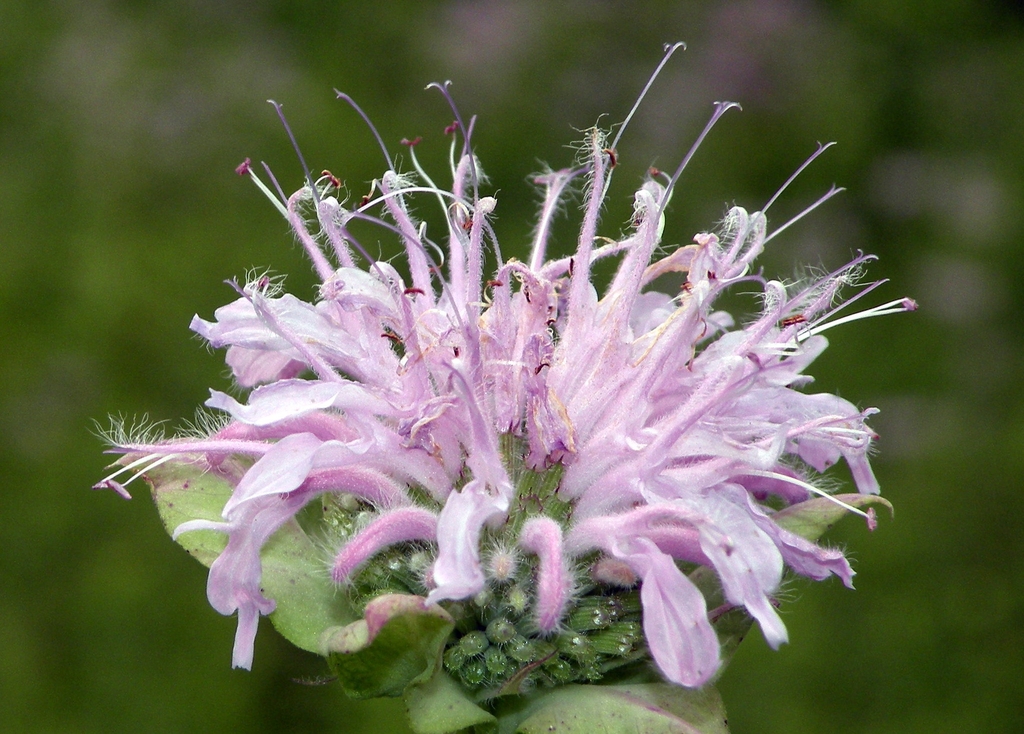
A summer-blooming native of open meadows and sunny edges, Wild Bergamot carries dense lavender-pink flower heads that attract wasps, native bees, and butterflies from July into August. It handles well-drained soil and the heat of a NC summer reliably. Plant in full sun and give it room to spread slowly by rhizome.

One of the most reliable summer bloomers for open, sunny ground. Black-Eyed Susan thrives in lean, well-drained soil and blooms from June through September, right through peak cicada killer season. A short-lived perennial that self-seeds readily in the right spot.
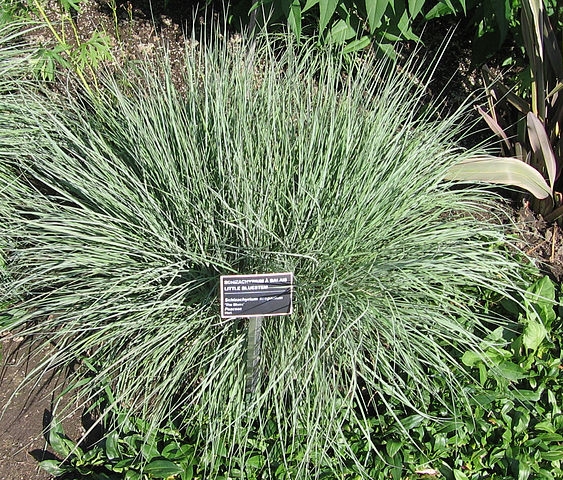
A native bunchgrass of the open coastal plain, Little Bluestem defines the edges of meadow habitat without crowding the bare ground cicada killers dig in. Clump-forming and non-spreading, it turns copper-bronze in fall and provides winter structure for nesting insects.
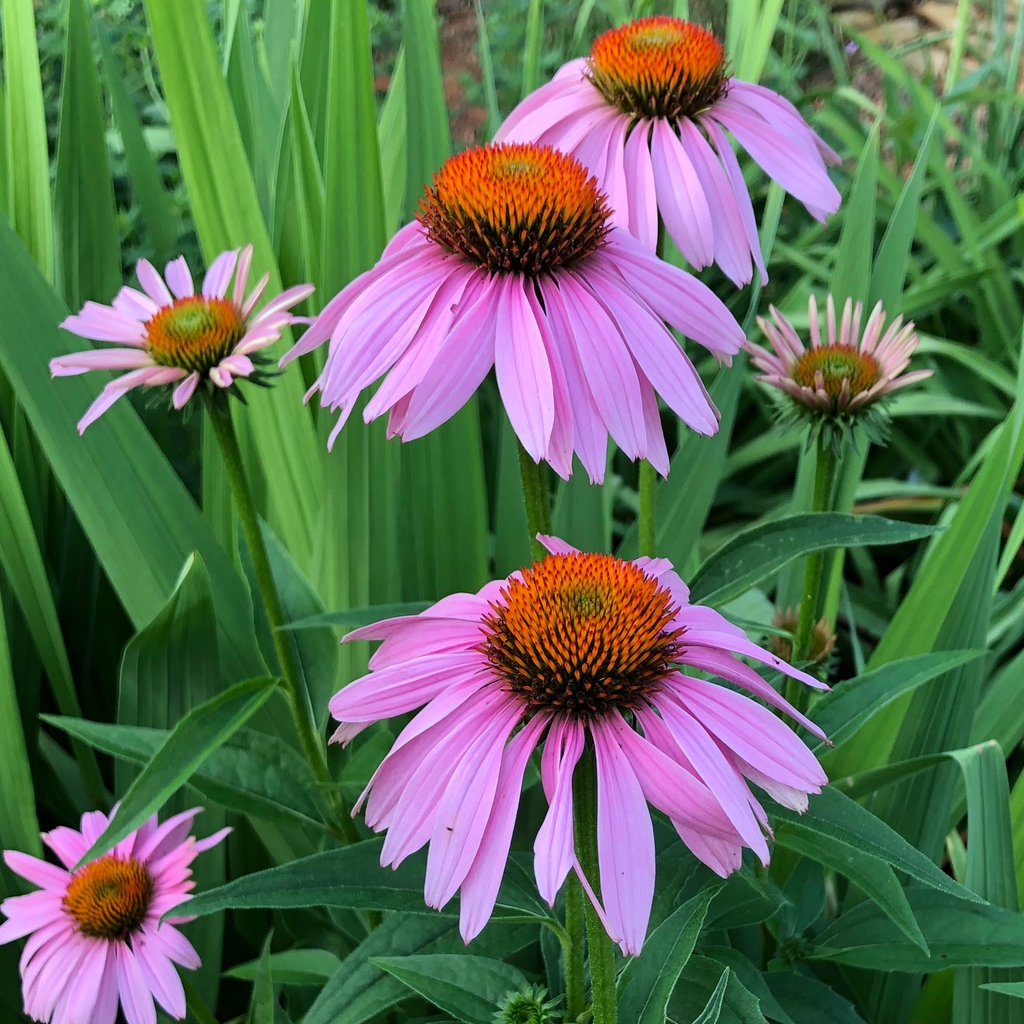
A midsummer bloomer with open, flat flower heads that wasps and bees land and forage on easily. Purple Coneflower handles summer heat and average garden soil. Leave the seed heads through winter — goldfinches will strip them.
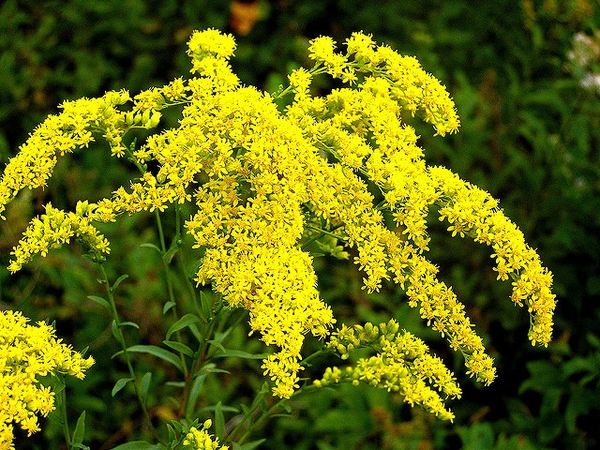
Goldenrod blooms in late summer and fall, bridging the end of cicada killer season into cooler weather. Open flower clusters attract wasps, bees, and flies in large numbers. Several Solidago species are native to the NC coastal plain — check species selection for your specific site.
Setting Up the Right Conditions
You do not need to redesign your garden for cicada killers. You need the same things that work for most native pollinators: open sun, plants matched to your soil, minimal disturbance, and no broad-spectrum pesticide use. On the coastal plain, where sandy soil and high sun are already the default, this means working with what you have instead of fighting it.
Leave a patch of bare or sparsely mulched ground in a sunny spot near your native plantings. Resist the urge to fill every inch of open soil with groundcover. A female cicada killer will find that space on her own. Visible sandy mounds with loose soil scattered at the entrance mean she is actively provisioning. She will seal the burrow when finished, and the site will look undisturbed within a few weeks.
The burrow does not persist as an active nest. There is no colony that will take over next year. Adults that emerge the following summer are the grown larvae — they will disperse and find their own nesting sites.
The pattern holds across most native wildlife: the things that look alarming are usually doing something useful. Cicada killers pull annual cicadas from canopy trees, add to the insect diversity of open sunny habitats, and do their work without bothering anyone. Native meadow plantings give them and dozens of other species a place to land while they are at it.