

Every September, the same bright yellow flowers get blamed for the same itchy eyes and runny noses. That plant is goldenrod, and it's almost never the actual problem. The real culprit is a plain, easy-to-miss weed blooming right next to it at the exact same time.
This mix-up costs goldenrod its reputation every fall, and it's a shame, because goldenrod is doing more ecological work in a North Carolina garden this time of year than almost anything else you could plant.
Two Very Different Kinds of Pollen
Goldenrod (Solidago spp.) and ragweed (Ambrosia spp.) are both members of the aster family, both bloom from late summer into fall, and both grow in the same roadside ditches and open fields across the Southeast. That overlap is where the confusion starts. But the two plants make pollen in completely different ways, and only one of them is designed to end up in your sinuses.
Goldenrod is insect-pollinated. Its pollen grains are large, heavy, and sticky, built to cling to a bee or beetle and travel from flower to flower on that insect's body, not on the wind (Clemson Cooperative Extension). Ragweed is wind-pollinated. Its flowers are small and easy to overlook, and they release enormous quantities of fine, lightweight pollen built to blow for miles. A single ragweed plant can produce over a billion pollen grains in one season (Clemson Cooperative Extension). That's the pollen actually circulating in the air you're breathing.
Because goldenrod's pollen isn't airborne, it isn't the source of typical seasonal hay fever (National Wildlife Federation). Ragweed just happens to be inconspicuous enough that people rarely notice it. Goldenrod is impossible to miss, so when the sneezing starts, it gets the blame by default.
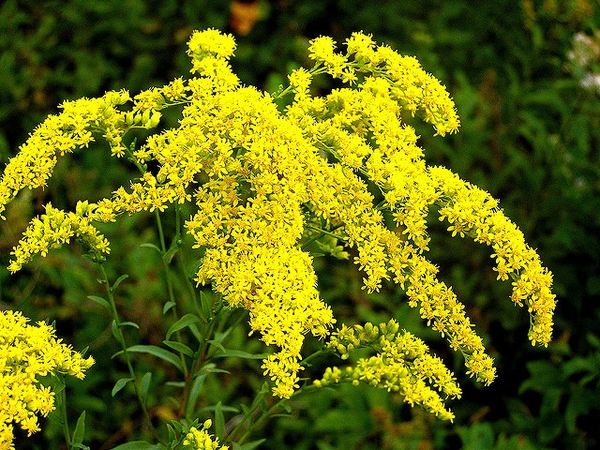
One of several goldenrod species native to North Carolina, blooming bright yellow from late summer through fall right when most other nectar sources have finished for the year. Wrinkleleaf goldenrod tolerates the wet, sandy soils common across the coastal plain.
Why Goldenrod Earns Keystone Status
Ecologists classify goldenrod as a keystone plant, meaning the wildlife web around it would look noticeably different without it. Goldenrod serves as a caterpillar host plant for dozens of moth and butterfly species, and its pollen feeds a long list of native bee species, some of which are pollen specialists that can only raise their young on goldenrod and its close relatives (National Wildlife Federation).
It's also critical fuel for monarch butterflies. Adult monarchs need nectar to build the fat reserves that carry them through their fall migration to Mexico, and goldenrod is one of the last reliable nectar sources still blooming when that migration is underway (National Wildlife Federation). Songbirds work the seedheads all winter, and many native bees overwinter inside the hollow, standing stems.
Goldenrod Doesn't Work Alone
Pair it with other native fall bloomers and the late-season nectar supply lasts even longer.
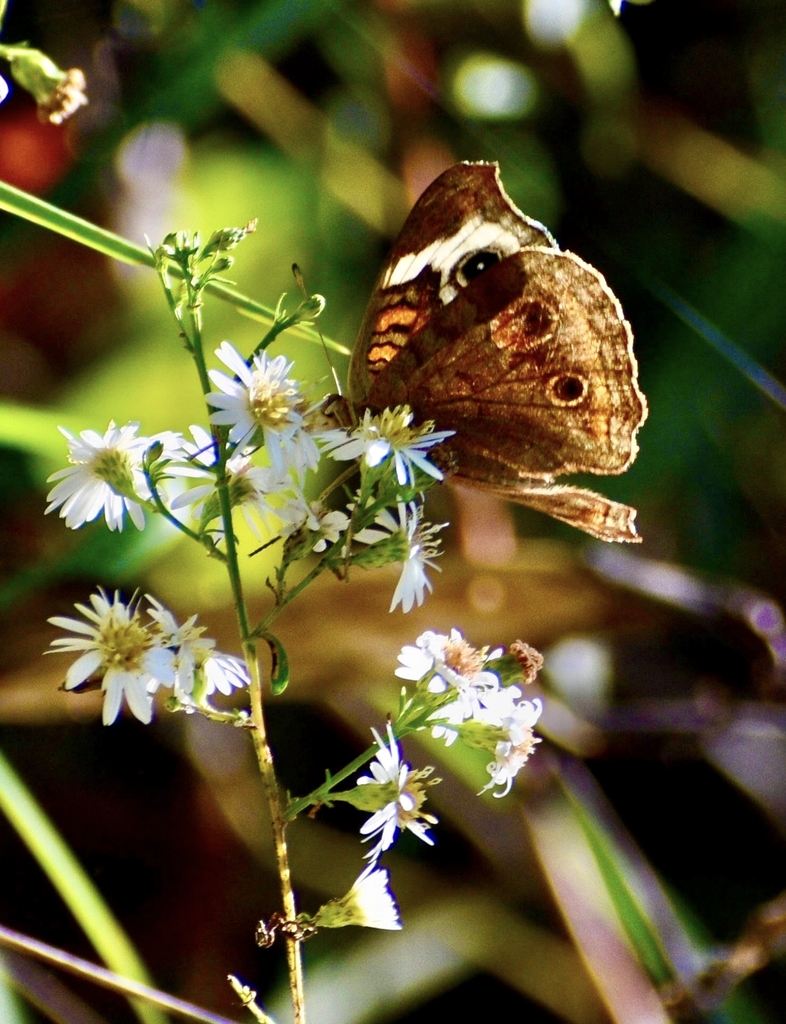
Small white-to-lavender daisy flowers that bloom right alongside goldenrod. It's a host plant for pearl crescent butterfly caterpillars and a steady nectar stop for bees late into the season.
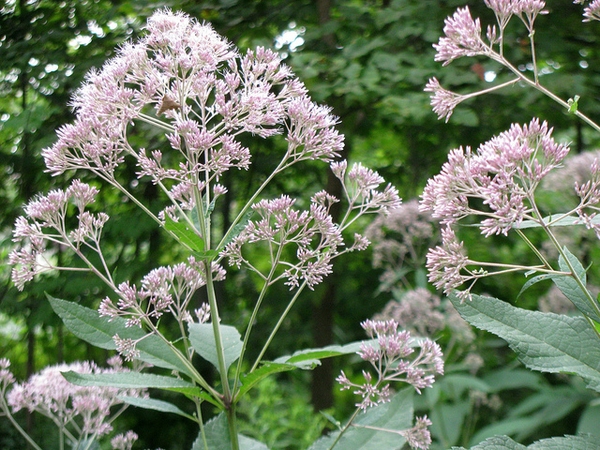
Domed clusters of dusty pink flowers that open in late summer and carry into early fall. Honeybees and butterflies work it heavily, and it thrives in the moist soil common along coastal plain drainage areas.
Next time someone blames goldenrod for their allergies, look for the plainer, greener flowers growing next to it. That's ragweed doing the actual damage, while goldenrod quietly feeds the bees, butterflies, and birds getting ready for winter.