


If you have spent any time around North Carolina gardeners, you have probably heard someone call trumpet vine invasive. It spreads. It climbs. It sends up shoots ten feet from where you planted it. That behavior gets it lumped in with kudzu and English ivy pretty fast.
But trumpet vine (Campsis radicans) is not invasive in North Carolina. It is native here. The two things can look similar from the outside — an aggressive plant is an aggressive plant — but they are ecologically very different. Understanding that difference changes what role this vine can play in your yard.
What "Aggressive" Actually Means
Trumpet vine is vigorous. It spreads by underground stolons, produces abundant seeds, and will climb anything it can grip — fences, trees, outbuildings, power poles. In the wrong spot, it becomes a maintenance headache. That much is true.
But "aggressive native" and "invasive species" mean different things. Invasive species move into ecosystems where they did not evolve, fill niches without natural checks, and displace the species that belong there. Trumpet vine is not doing that. It evolved here alongside the insects, birds, and plants it interacts with. When it spreads along a fence line or through a hedgerow, it is doing what NC native plants have done in this landscape for thousands of years.
Its spread is manageable with the right site and one annual pruning session. It is not manageable if you plant it in a small courtyard garden and walk away.
A woody, deciduous climbing vine native to NC and most of the eastern US. Clusters of orange-red, trumpet-shaped flowers bloom from late June through August. Climbs by aerial rootlets and can reach 30 feet or more on a suitable structure. Full sun to partial shade. Drought tolerant once established. One of the few native plants that reliably stops hummingbirds mid-flight.
What It Feeds
Trumpet vine is one of the most important summer nectar sources for Ruby-throated Hummingbirds (Archilochus colubris) in the Southeast. The flower is almost perfectly matched to a hummingbird bill: long, tubular, and deep enough that most insects cannot access the nectar without hovering at the opening.
That does not mean insects are left out entirely. Carpenter bees are strong enough to cut through the base of the flower and rob nectar directly. Some long-tongued native bees visit the blooms. The vine also provides structure for nesting birds and insects, and the long woody seed pods persist through winter.
There is no cultivated ornamental alternative that does this job. Imported vines and non-native look-alikes do not carry the same ecological relationships. The hummingbirds and native bees that evolved with Campsis radicans know the difference.
How to Grow It Without Regret
Site selection is the most important decision you will make with this plant. Give it a job it can grow into: a sturdy fence, a large freestanding trellis, an outbuilding wall, a power line easement. Tight urban gardens and anything near a foundation are not the right spots.
Prune it hard in late winter or early spring, before new growth starts. Trumpet vine blooms on new wood, so cutting it back will not cost you flowers. Aim to remove the previous year's side shoots down to two or three buds. If suckers appear in the lawn, cut them at ground level consistently through the season. After a few years of that, they slow down considerably.
Avoid planting it near septic systems or anywhere you cannot commit to annual maintenance. In the right spot, with that one pruning session each year, it is not a problem plant. It is a genuinely useful one.
Native Plants to Pair With It
Build a summer hummingbird and pollinator garden with plants from the same ecosystem
Trumpet vine blooms from late June through August. These three NC natives overlap in bloom time or habitat and work well in the same summer wildlife planting.
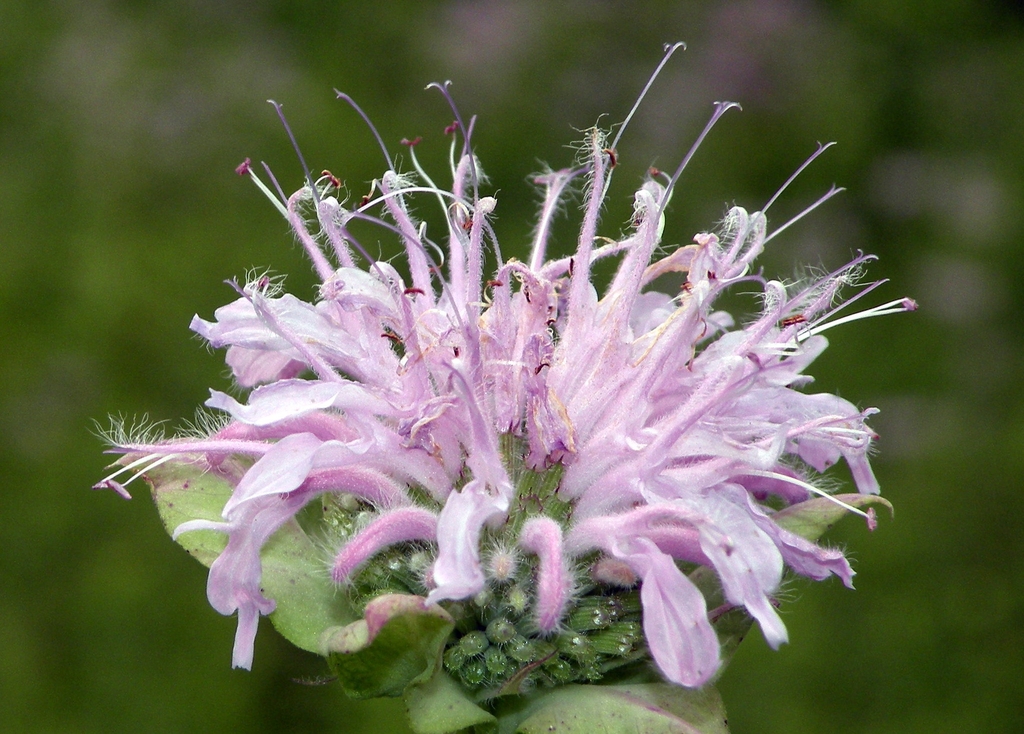
A mid-summer bloomer with lavender-pink flower heads on upright stems. Draws hummingbirds, native bees, and butterflies. Thrives in average to dry soil and full sun. Spreads slowly by rhizome to form a loose colony over time, but stays manageable.
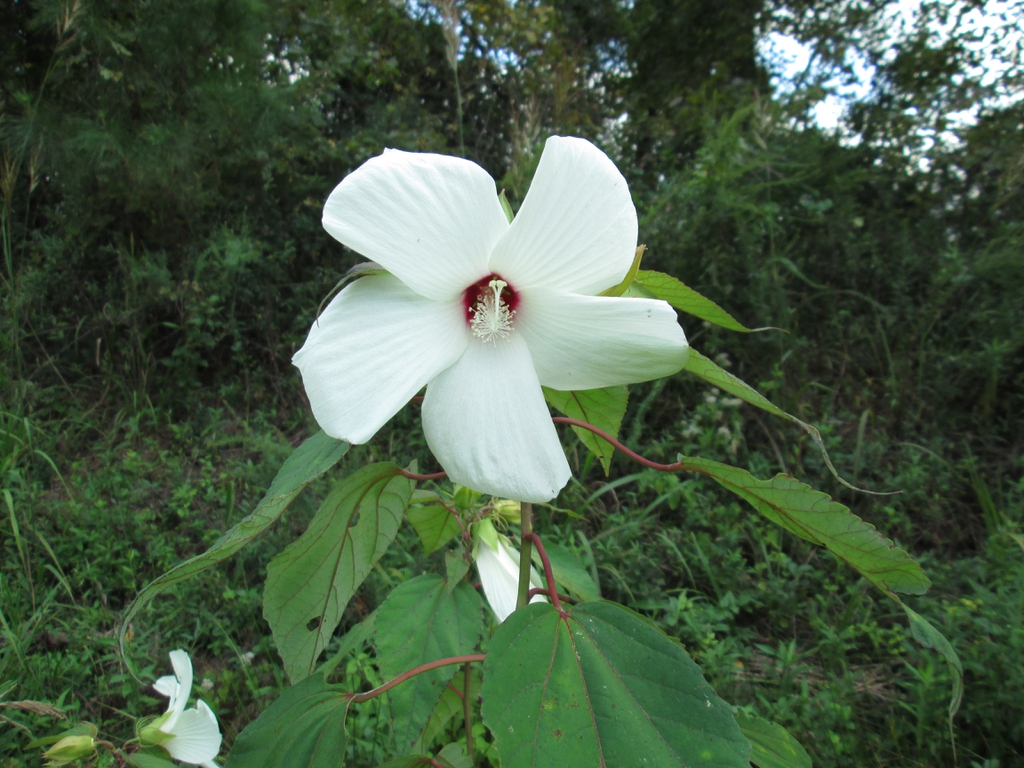
One of the showiest NC natives in summer. Large flowers in white, pink, or deep red bloom from July through September. Native to coastal plain wet sites but adapts to average garden soil with irrigation. Hummingbirds and large native bees both visit heavily.
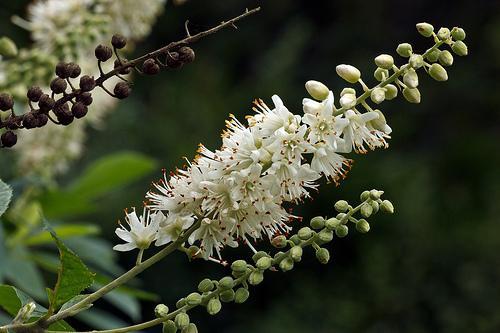
A shrub that fills the space below a trumpet vine trellis beautifully. Fragrant white flower spikes in July and August draw bumblebees in numbers. Tolerates wet soil and part shade. A NC coastal plain native that works especially well in Wilmington-area gardens.