


Every fall the same instinct shows up: cut everything back, rake the beds clean, get the yard tidy before the cold sets in. It feels responsible. For a native NC garden, it usually isn't.
Most of the insects that used your yard all summer haven't gone anywhere. They're spending winter inside the stems, seed heads, and grass clumps you're about to clear away. A tidy October yard can mean an empty June one.
Where the Bees Actually Spend Winter
Most native bees don't live in hives. Around a third of them nest inside tunnels rather than in the ground, and a lot of those tunnels are last year's dead plant stems (Xerces Society). A female bee lays her eggs inside a hollow or pithy stem in late summer, seals each cell behind a wall of pollen, and the offspring spend the entire winter as larvae inside that same stem. Cut it down in October and you cut down next year's bees with it.
The classic hollow stem.
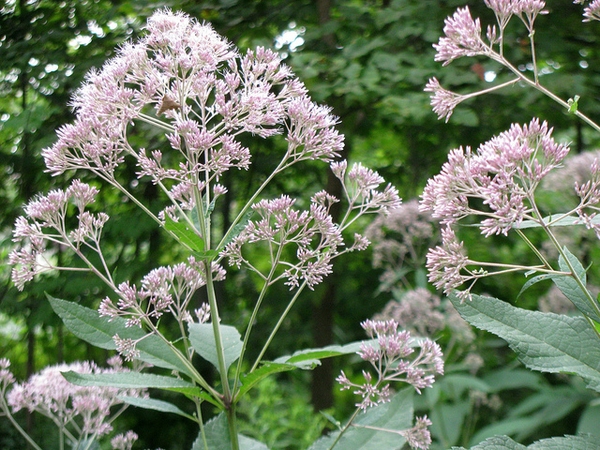
A tall coastal plain perennial with wide, hollow stems, exactly the diameter larger leafcutter bees look for. It blooms dusty pink in late summer and stands 4 to 7 feet tall, so give it a spot toward the back of the bed.
Three More Reasons to Wait
Stems, seed heads, and grass clumps all do different jobs.
Joe-Pye Weed isn't the only plant working overtime after it finishes blooming. These three cover the rest of the overwintering story: seed for birds, shelter for grass-dwelling insects, and a stem gall that works like a tiny insect nursery.
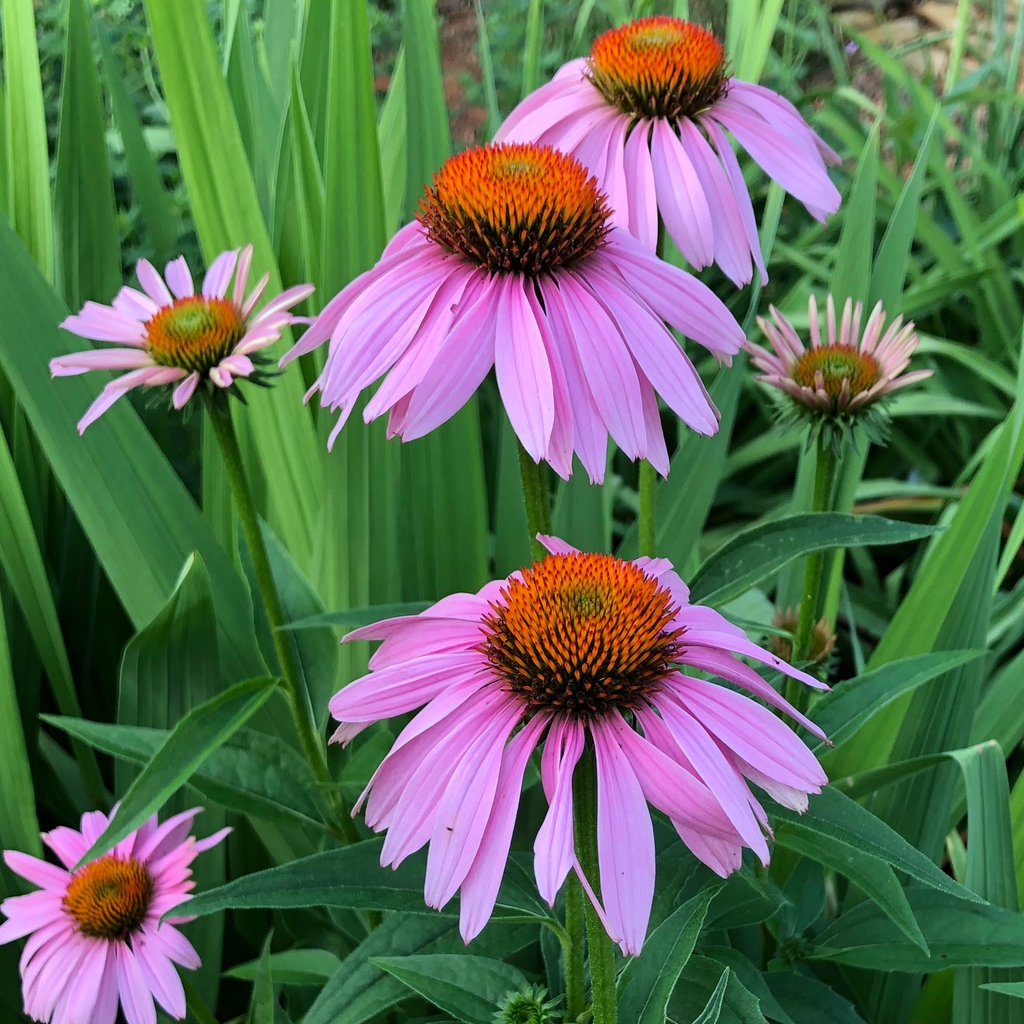
Once the petals drop, the cone left behind is packed with seed. American goldfinches work these cones through fall and into winter (University of Illinois Extension). Leave the browned heads standing instead of deadheading them.
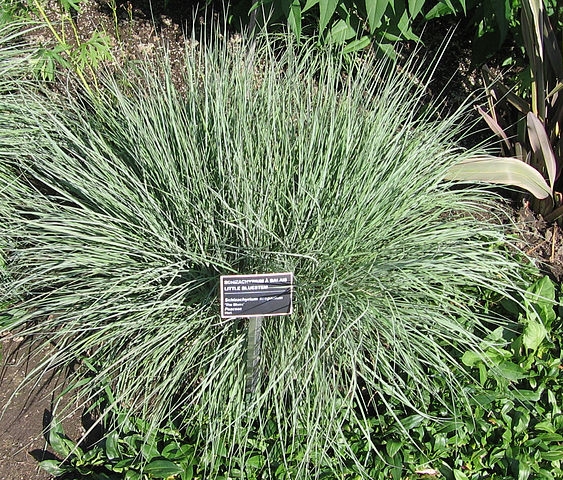
Bumblebee queens tuck into the base of little bluestem clumps for the winter, and several skipper caterpillars build shelters in the standing blades above them (Xerces Society). Mow it down in November and that shelter goes with it.
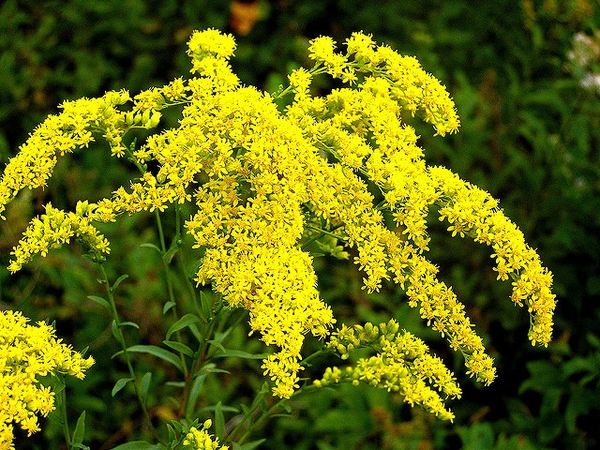
Look closely at a goldenrod stem in winter and you may find a round swelling partway up it. That's a gall, and there's a fly larva inside riding out the cold in a body chemistry close to natural antifreeze (University of Wisconsin Horticulture Extension). Downy woodpeckers and chickadees peck those galls open all winter looking for the larva inside, so the stem keeps feeding wildlife long after the flowers are gone.
A Messy Bed Isn't a Neglected One
None of this means abandoning the garden until spring. Paths can stay clear, diseased material can still come out, and you can tidy the front-facing edges of a bed for curb appeal. The real tradeoff is what happens to the interior of the planting, the stems and seed heads that aren't doing any harm just sitting there through January.
A native garden that looks a little rough around the edges in December is doing exactly what it's supposed to do. It's shelter, not just a display.
Related Reading
Joe-Pye Weed — NC State Extension
Little Bluestem — NC State Extension
Sources Cited
Save the Stems — Xerces Society
Leave the Leaves — Xerces Society
Coneflowers in the Garden — University of Illinois Extension
Plants for Pollinators: Little Bluestem — Xerces Society
Goldenrod Gall Fly — University of Wisconsin Horticulture Extension