


Gulf Fritillaries start appearing across North Carolina coastal plain gardens in early June. They are hard to miss: vivid orange wings with bold silver spots on the underwing. What most people do not know is that their caterpillars can only survive on one plant genus. That genus is Passiflora.
Maypop Passionflower (Passiflora incarnata) is a native vine found throughout the Southeast, including most of coastal North Carolina. Without it, Gulf Fritillaries and Variegated Fritillaries cannot breed here. That makes it one of the most ecologically consequential plants you can add to a coastal garden.
Host Plants Are Not Nectar Plants
Nectar plants feed adult butterflies. Host plants are where females lay eggs and where caterpillars eat. These are completely different relationships, and they are not interchangeable.
Most butterfly gardening advice focuses on nectar. That brings adults into your yard but does nothing for reproduction. If you want fritillaries to breed rather than just visit, you need the plant their caterpillars can eat. For Gulf Fritillaries and Variegated Fritillaries in NC, that plant is Maypop Passionflower.
The caterpillars are specialists. They feed on passionflower leaves and can tolerate the plant's chemical defenses: a suite of cyanogenic compounds and alkaloids that makes the foliage toxic to most herbivores. The caterpillars sequester these compounds for their own protection. This is not coincidental. It is an evolved relationship that took millions of years to develop, and it only works with the right plant.
A native vine of the NC coastal plain and Piedmont, Maypop Passionflower produces intricate purple-and-white flowers from June through September, followed by edible yellow-green fruit. It grows from underground rhizomes, dies back each winter, and thrives in full sun and well-drained sandy soils. Host plant for Gulf Fritillary, Variegated Fritillary, and occasional Zebra Longwing caterpillars. Hardy through Zone 7.
Three Fritillary Species in NC
Not all fritillaries use the same plants, or behave the same way.
Gulf Fritillary (Agraulis vanillae) is the most reliably present of the three in coastal North Carolina. Adults are among the most recognizable butterflies on the East Coast: burnt orange above, with bold silver spots on the underwing. Females seek out passionflower specifically, laying eggs on the leaves and stems. The caterpillars that hatch are orange with black spines and feed almost exclusively on Passiflora foliage. Their range has been expanding northward and they breed throughout much of coastal NC.
Variegated Fritillary (Euptoieta claudia) is a wide-ranging migrant species found across NC. Unlike most fritillaries, it uses several host plants including violets, stonecrop, and flax. But Maypop Passionflower is one of its primary hosts in the Southeast, and a well-established vine will attract females from late spring through early fall. It is smaller and less flashy than the Gulf Fritillary but equally worth encouraging.
Zebra Longwing (Heliconius charithonia) is primarily a Florida resident that uses passionflower as its host plant throughout its core range. Adults occasionally travel north along the coast into NC in late summer, and growing Passiflora incarnata increases the chance of an encounter. Regular breeding is not established this far north, but the plant keeps the door open.
Growing Passionflower in NC
Passiflora incarnata grows from underground rhizomes and spreads vigorously. In a naturalized meadow, along a fence, or at a woodland edge, that spreading habit is an asset. In a formal bed, manage the runners with regular digging or confine the roots with a buried barrier. The top growth dies back to the ground each winter. New shoots emerge in late spring, sometimes from unexpected locations as the rhizomes extend underground.
It prefers full sun and well-drained soil. Coastal plain sandy soils are ideal. In the Wilmington area, passionflower is a common volunteer in disturbed edges, roadsides, and yard margins. It can be slow to establish in its first year but spreads reliably once the root system is set.
Flowers appear from June through September. They are structurally complex: white petals, a corona of purple filaments, and a raised central column. The fruit that follows is a yellow-green, egg-shaped berry. When ripe it makes a hollow sound when tapped, which is the origin of the name "maypop." The fruit is edible and has a tart, tropical flavor. Box Turtles and various bird species eat the ripe fruit.
Nectar Plants to Complete the Habitat
Host plants bring caterpillars. Adult fritillaries also need nectar through the summer and fall flight period. These four NC native species bloom alongside passionflower and work well together in a coastal plain planting.
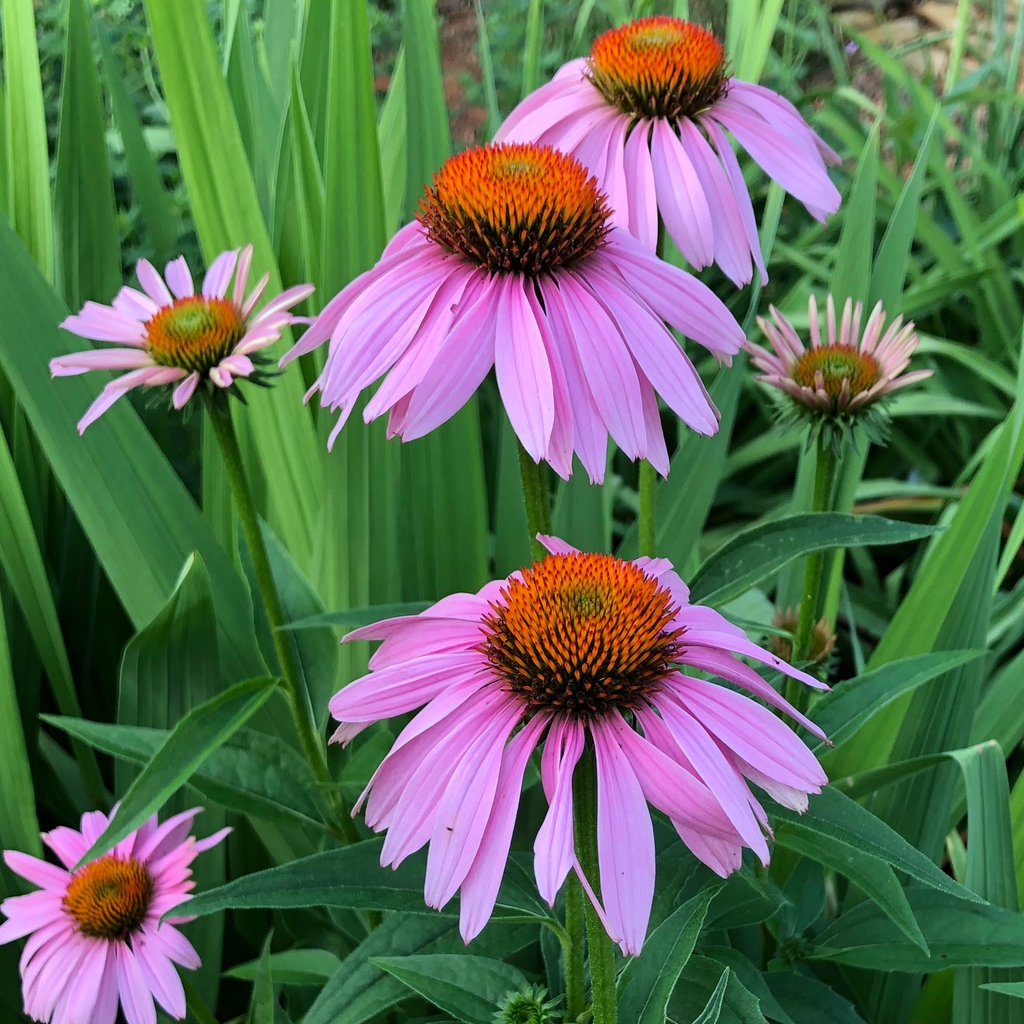
One of the strongest mid-summer nectar plants for large butterflies, including fritillaries and swallowtails. Blooms July through September and tolerates dry conditions once established.
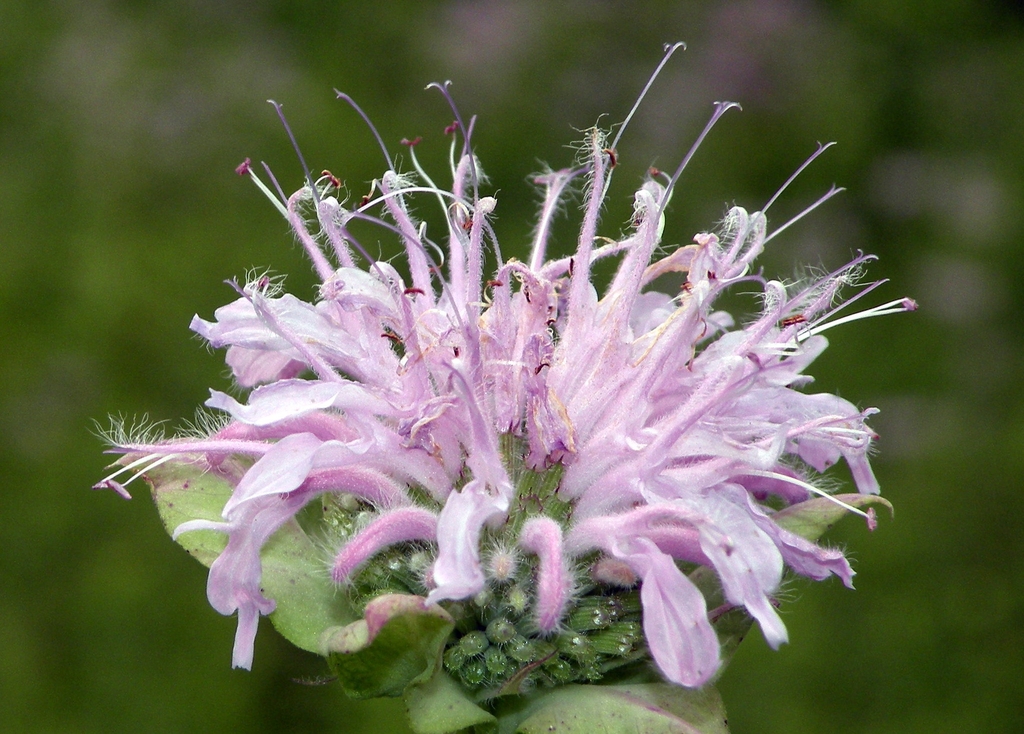
Lavender-pink flower heads that attract a wide range of butterflies and native bees from July through August. More drought tolerant than Scarlet Beebalm and well suited to the sandy, dry soils common in coastal NC.
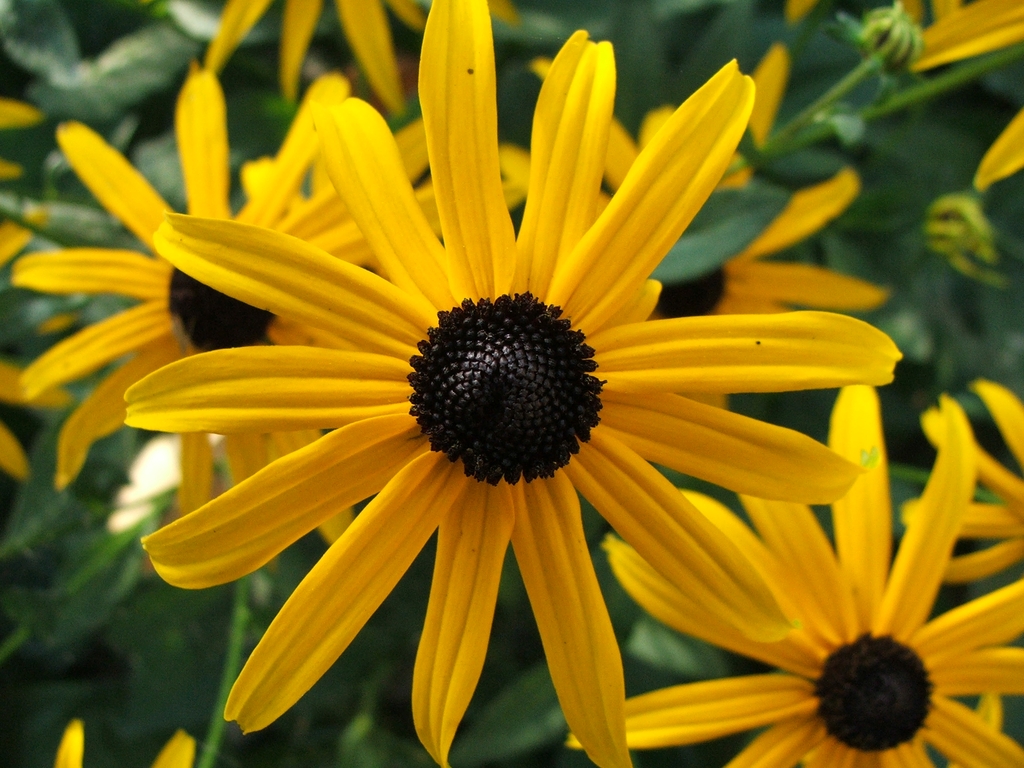
A reliable summer bloomer that attracts fritillaries and skippers from May through September. Self-seeds freely in open sunny spots, filling gaps over time without replanting.
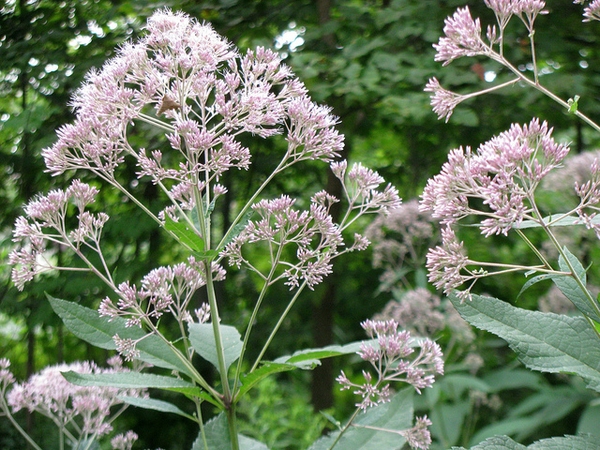
Tall with dusty rose flower clusters that peak in July and August, exactly when Gulf Fritillary populations are at their highest. One of the most productive late-summer nectar plants for large butterflies in the Southeast.