

North Carolina's coast doesn't stay in one place. Every storm season shifts sand, reshapes dunes, and pulls soil seaward. The plants that hold this landscape together didn't arrive by chance. They evolved here over millennia, developing deep root networks, rhizome systems, and salt tolerance that no ornamental substitute can match.
This post covers the native plants that do real work on NC's coastal edge: on dune faces, in maritime shrub thickets, and in the transition zone between beach and interior woodland. These are the species to reach for if you have beachfront, dune-adjacent, or coastal property and want to stop losing ground.
Start With Sea Oats
Anyone who has driven NC's coast has seen Sea Oats (Uniola paniculata). Those tall, nodding seed heads run from the Outer Banks to Brunswick County for a reason. Sea Oats produces an extensive rhizome network that traps windblown sand, builds dune profiles, and re-forms dune faces after storm overwash. A single established plant can spread several feet in a growing season. No other coastal native builds active dunes the way Sea Oats does.
One thing to know before you plant: collecting Sea Oats from NC beaches is illegal under state law. They are protected because unregulated harvest depletes natural dune populations. For restoration or garden planting, buy nursery-propagated stock from a coastal native plant nursery.
The primary dune-building grass of NC's Atlantic coast. Rhizomes spread laterally to trap sand and rebuild dune profiles after storms. Legally protected from wild collection in NC — nursery-grown plants only.
Grasses for the Transition Zone
Behind the foredune, native grasses handle the salt spray, shifting sand, and summer heat that eliminates most ornamentals.
Switchgrass and Pink Muhly Grass occupy different spots in the coastal plant community, but both perform consistently in the sandy, salt-stressed conditions just inland from the dune face. They root quickly, hold soil through wet winters, and provide structure when little else does.
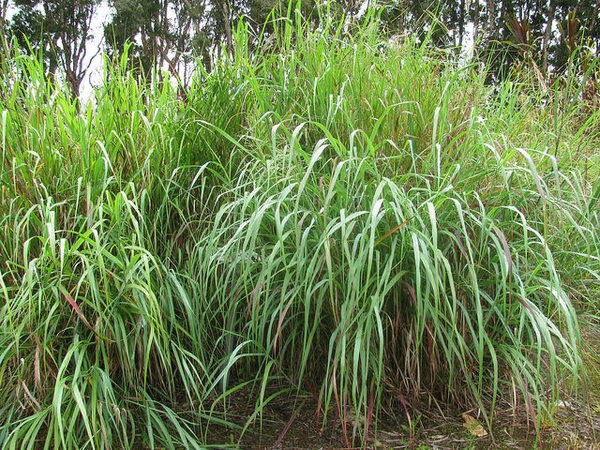
A deep-rooted perennial grass with coastal ecotypes adapted to salt spray and sandy soil. Seeds feed sparrows and other ground-foraging birds through winter. Stands upright in coastal wind and stays structurally intact year-round.
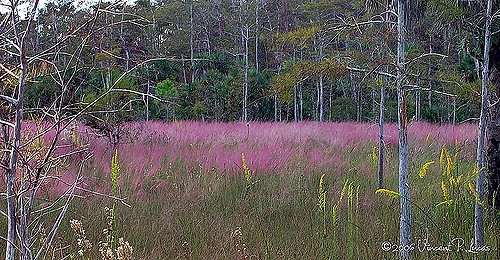
A native coastal plain grass that blooms in pink-purple clouds in early fall. Tolerates poor, dry, sandy soil with no supplemental water once established. Full sun required. A reliable stabilizer for disturbed coastal slopes.
Shrubs That Build the Maritime Thicket
The maritime shrub thicket is the plant community most responsible for protecting NC's interior coastal landscape. It absorbs wind energy, slows erosion, and creates the microclimate that lets taller trees establish further inland. Wax Myrtle anchors this community along most of NC's coast.
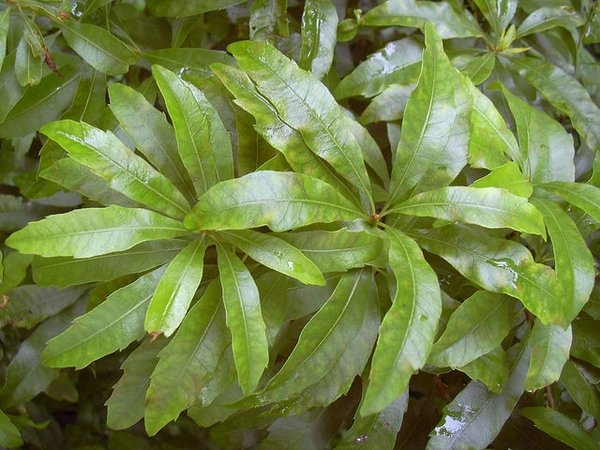
One of the most versatile native shrubs on NC's coastal plain. Wax Myrtle grows in salt marshes, dune swales, and dry maritime thickets, tolerating both flooding and drought in the same season. Waxy berries ripen in fall and fuel Yellow-rumped Warblers and Tree Swallows during southward migration. Root nodules fix atmospheric nitrogen, improving the sandy coastal soil as the plant grows. Can reach 15 feet; works as a windbreak or visual screen with no supplemental irrigation once established.
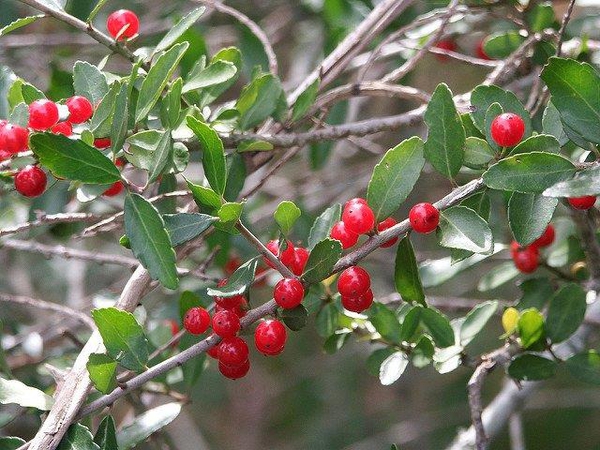
Yaupon Holly fills a similar structural role, especially on sandy soils where other hollies struggle. It is one of the most salt-tolerant broadleaf evergreens in the eastern United States and one of the few hollies that thrives in direct coastal exposure.
Dwarf Palmetto: The Coastal Understory Anchor
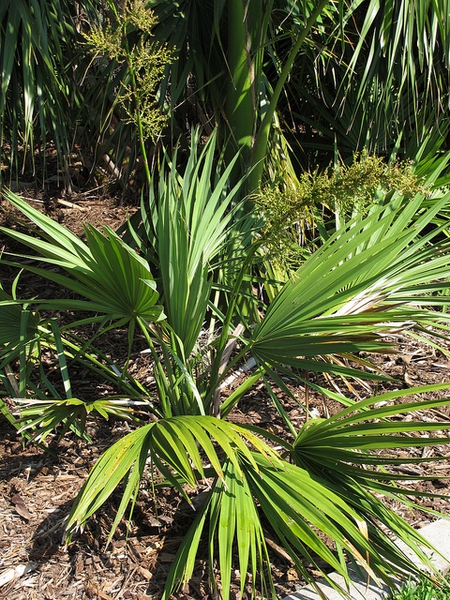
Dwarf Palmetto (Sabal minor) does not look like an erosion-control plant, but it fills a real gap in the lower coastal plain of southeastern NC. Its root system holds soil in shaded, periodically flooded spots where grasses and shrubs struggle to establish. It stays structurally intact through coastal storms and is largely ignored by deer.
The NC range for Dwarf Palmetto runs from the Brunswick County coast into the Bladen Lakes area. If you are in Pender, New Hanover, or Brunswick County and have a shaded understory or swale that needs help, this is one of the few evergreen options that will actually stay there.
When to Plant
Fall is the best window to establish coastal natives in NC. Soil temperatures are still warm enough for root growth, and rainfall is more reliable than summer. If you are stabilizing a dune face, plant Sea Oats first and let them build a full season before establishing the shrub layer behind them. Wax Myrtle and Yaupon Holly both transplant well in fall and establish quickly in sandy coastal soil.
For slope or bank stabilization away from the beach face, Switchgrass and Pink Muhly Grass root fastest and will be fully established by the following spring. Both can be divided and spread after two or three growing seasons, extending your planting without additional cost.