


A wet corner in your yard isn't a drainage problem waiting to be solved. On the coastal plain of North Carolina, wet soils are the natural state across large parts of the landscape — pocosins, bottomland hardwoods, and pond margins defined this region long before the first lot was graded. Native plants evolved alongside those conditions. Some of them need wet soil to thrive.
If you have a low spot that holds water after rain, a yard edge that never quite dries out, or a patch where nothing from a garden center has survived, this post is for you. These species don't just tolerate wet ground — they're built for it.
Trees That Grow in Standing Water
Most trees die in waterlogged soil. Their roots need oxygen to function, and saturated ground cuts that supply off. A handful of NC natives evolved to work around this problem — they develop specialized tissues, aerial root structures, or the ability to slow their metabolism in low-oxygen conditions. These are the trees that belong in your wettest spots.
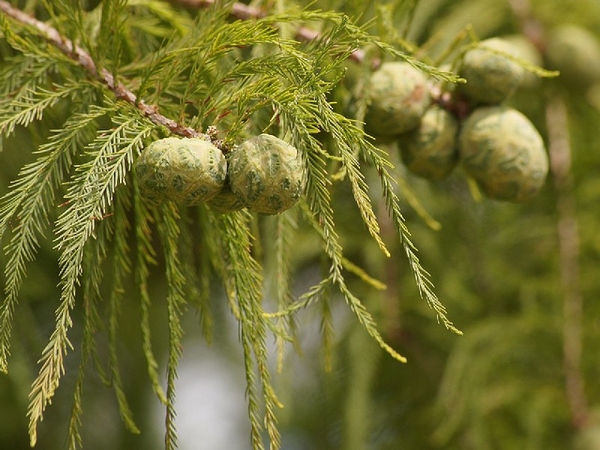
The dominant wetland tree of the coastal plain, Bald Cypress (Taxodium distichum) grows in standing water and along blackwater river edges throughout eastern NC. It produces distinctive knobby root structures called knees that project above the waterline to support gas exchange in saturated soil. The feathery, needle-like foliage turns coppery orange in fall before dropping — giving it the "bald" in its common name. This is a tree that gets better with age: old specimens develop flared, buttressed bases and can live for centuries.
For smaller wet areas, River Birch (Betula nigra) and Sweetbay Magnolia (Magnolia virginiana) both handle seasonally saturated ground and bring strong wildlife value to the planting.
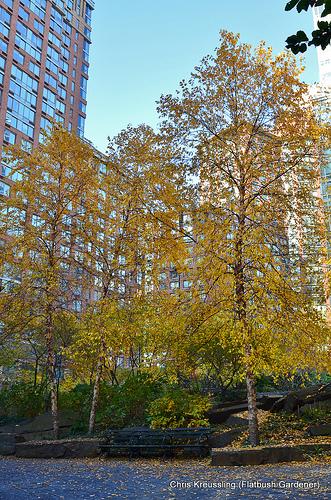
A fast-growing tree that naturalizes along streambanks and pond margins. The peeling, cinnamon-colored bark is distinctive year-round. River Birch hosts hundreds of Lepidoptera caterpillar species, making it a keystone food source for birds during nesting season.
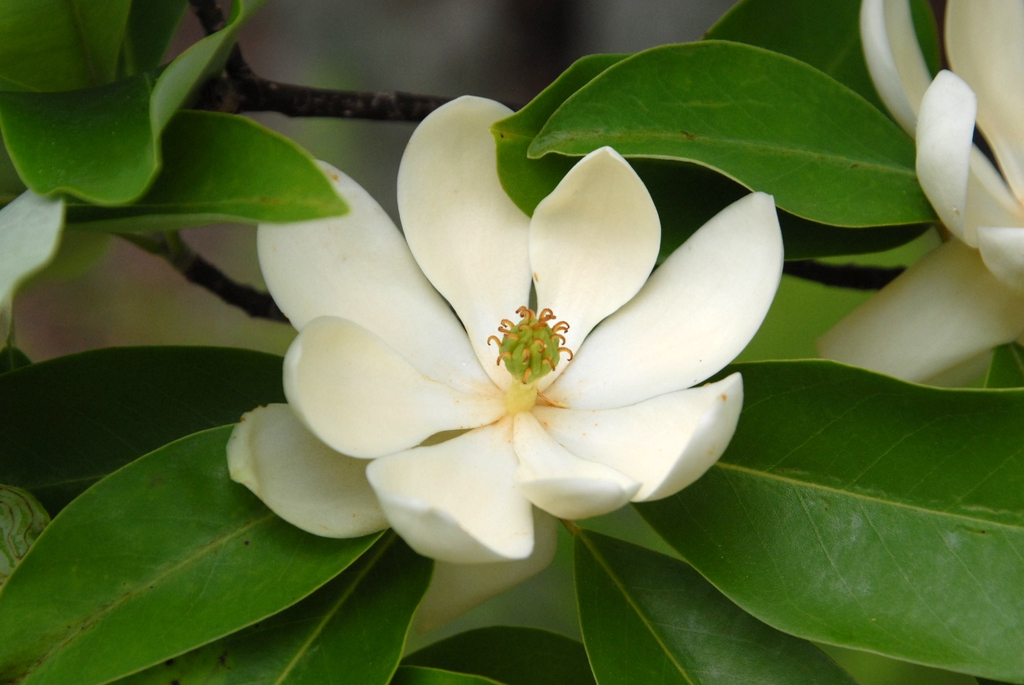
Smaller than Southern Magnolia and better suited to wet or swampy sites, Sweetbay produces fragrant white flowers from late spring through summer. The silvery undersides of its leaves flash in the breeze. It's semi-evergreen along the NC coast and tolerates both wet feet and periodic flooding.
Shrubs for Wet Edges and Pond Margins
The transition zone between standing water and dry ground is where native shrubs do their best work. These coastal plain shrubs grow at that edge — in soil that's reliably moist or seasonally saturated — and provide three-season interest alongside high wildlife value. None of them need amended soil or irrigation once established.
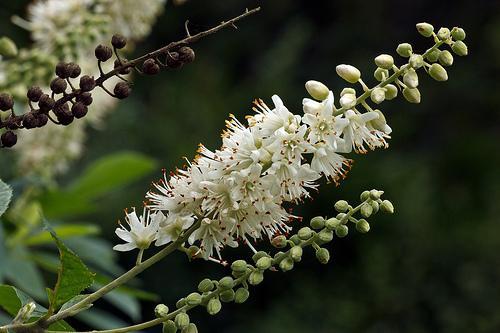
One of the best native shrubs for moist to wet soils in partial shade. Summersweet blooms mid to late summer with fragrant white flower spikes that draw bees, butterflies, and hummingbirds. It spreads slowly by suckering to fill a wet spot, and the fall foliage turns a clean golden yellow.
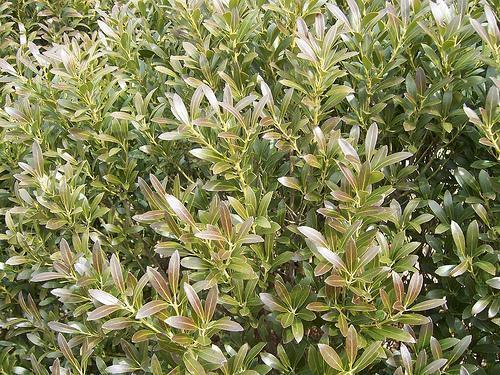
An evergreen native holly that grows naturally in pocosins and coastal plain wetlands. Small black berries persist through winter and feed songbirds. More adaptable than Winterberry — Inkberry tolerates both wet soils and seasonal drought once established, which makes it a reliable choice on variable sites.
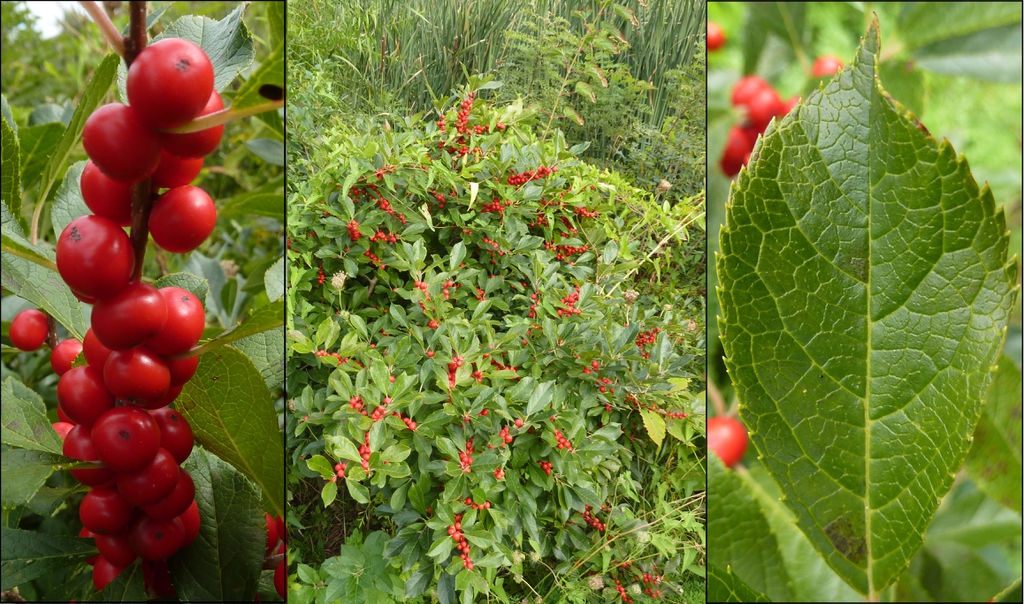
A deciduous holly that earns its place in any wet garden for one reason: the berries. Bright red fruit covers the bare stems from fall through winter, feeding cedar waxwings, bluebirds, and robins. Winterberry is dioecious — plant a male and female together to get reliable fruit set.
Perennials and Rushes for the Water's Edge
The margins of wet areas support a distinct plant community. These perennials and graminoids grow at the edge — in soil that's reliably moist, seasonally flooded, or intermittently saturated. They stabilize banks, feed pollinators across the summer, and give wet spots a planted look without irrigation or soil amendment.
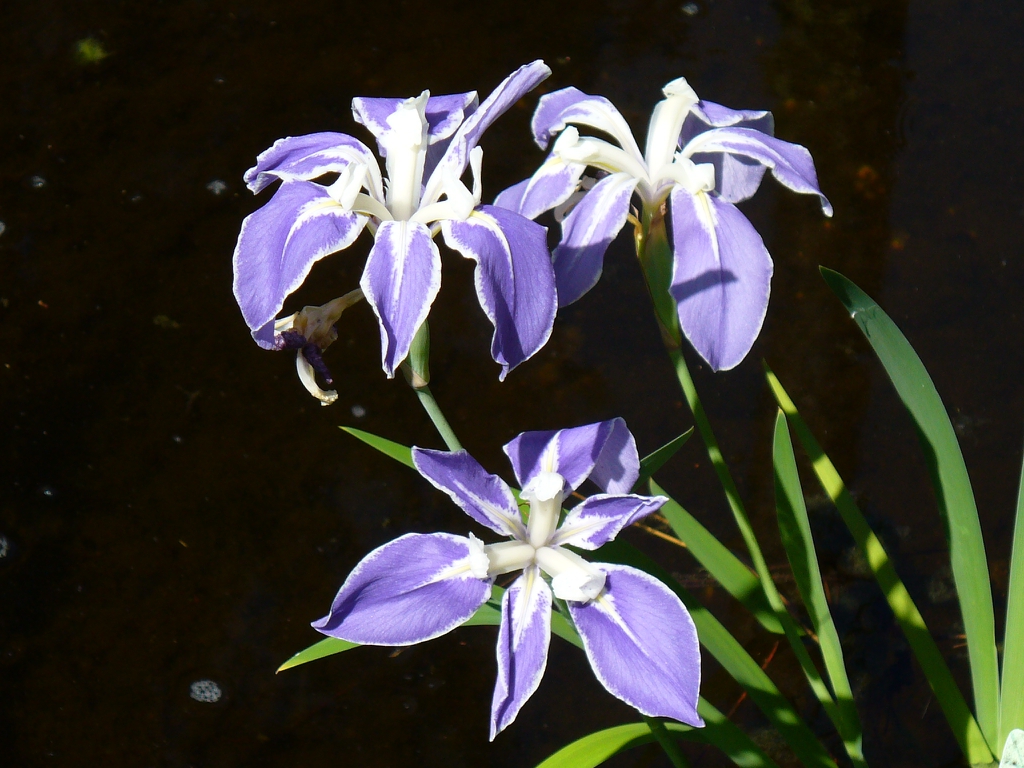
The native blue flag iris of southeastern wetlands, Virginia Iris blooms in May and June along pond margins and streambanks. The large violet-blue flowers attract long-tongued native bees. It spreads by rhizome and forms dense clumps in shallow water or reliably wet soil.
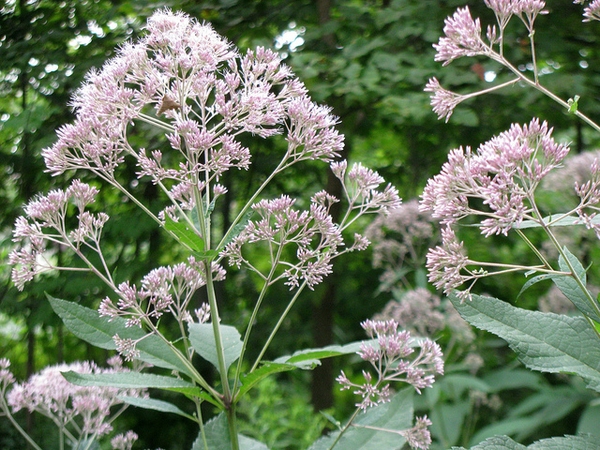
A tall, late-summer bloomer that thrives in moist to wet soils in full to partial sun. The mauve-pink flower heads are a major late-season nectar source for monarchs, swallowtails, and native bees. Hollow Joe-Pye Weed can reach 6 to 7 feet in rich, wet soil — give it room and it pays off from July through September.
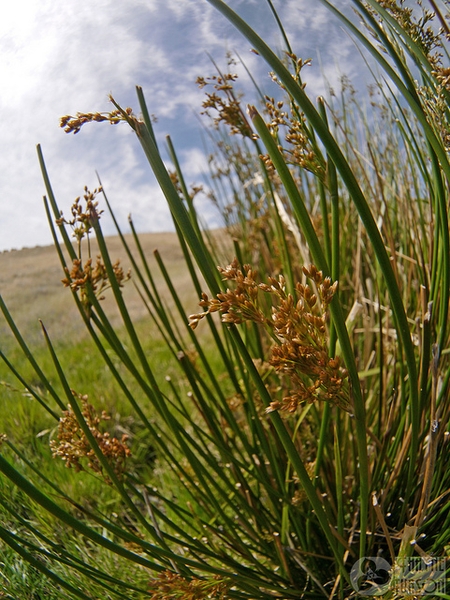
A clump-forming rush for the shallowest margins of ponds and wet ditches. The round, dark-green stems stay upright through winter and provide cover for amphibians and small birds. Soft Rush establishes quickly and is one of the easiest native plants to start in consistently wet ground.