


If you are in North Carolina right now, you may already be seeing fireflies at dusk. They are most active from late May through July across much of the state, earlier in the coastal plain and later in the mountains. Firefly populations have declined sharply over the past few decades, and most people do not realize that native plants are central to bringing them back.
Fireflies do not feed on plants the way caterpillars or bees do. Their relationship with native vegetation is about habitat. Larvae spend one to two years in moist soil and leaf litter, hunting snails, slugs, and earthworms. Adults need canopy cover, dense understory, and places to perch and signal. Conventional lawn care strips most of what fireflies need. A yard with layered native plants gives it back.
What Fireflies Actually Need
The larvae of most NC firefly species (Photinus spp., Photuris spp.) live in damp, undisturbed soil for up to two years before they ever flash a light. They need loose, organic soil with enough moisture to support their prey. They need leaf litter that stays in place through winter, not blown away or bagged up. And they need the absence of pesticides, including the routine lawn treatments most people apply without thinking twice.
Adults are more visible but equally dependent on structure. They perch in tree branches and shrubs to signal, mate, and rest. Open turf gives them nothing. A native planting with real canopy, understory shrubs, and a groundlayer of grasses or sedges gives them the vertical structure they use all season long.
Trees That Anchor Firefly Habitat
Large native trees create the moist, layered soil conditions firefly larvae need.
NC fireflies are most abundant near water: bottomland edges, creek banks, and low spots where the soil stays moist. The trees native to those places are also the best anchor plants for firefly habitat. They drop substantial leaf litter, create dense canopy that moderates soil moisture, and support the full food web that firefly larvae depend on below ground.
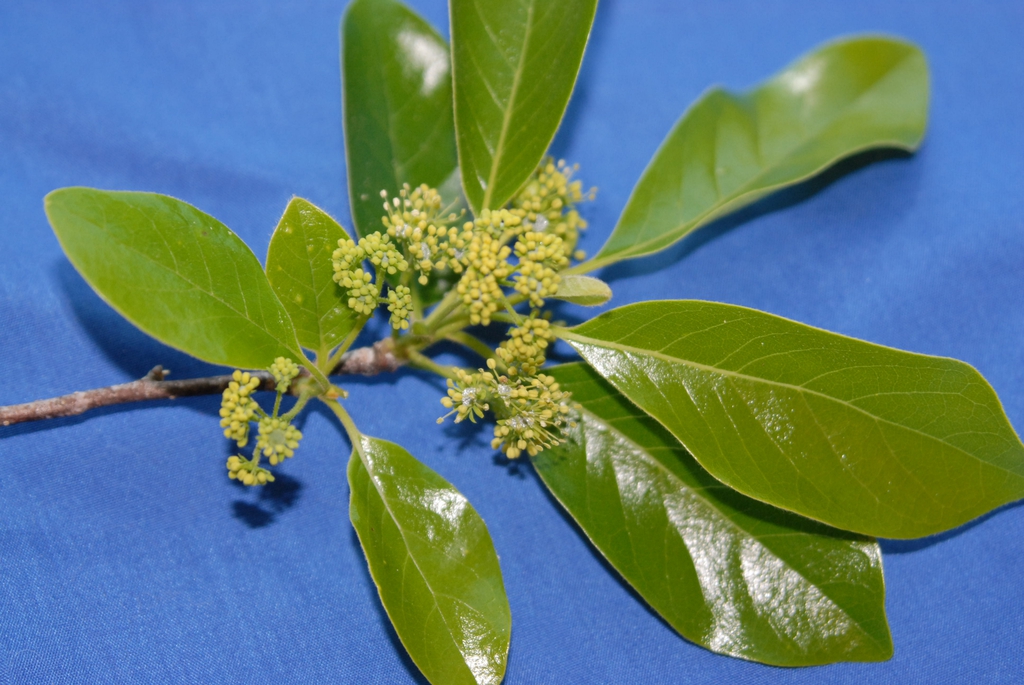
Black Tupelo is one of the best firefly habitat trees in the Southeast. It thrives in moist lowlands throughout NC, drops rich leaf litter that builds exactly the organic soil layer firefly larvae need, and supports hundreds of moth and caterpillar species that feed migrating birds on the same site. Its fall color rivals any ornamental in the nursery trade.
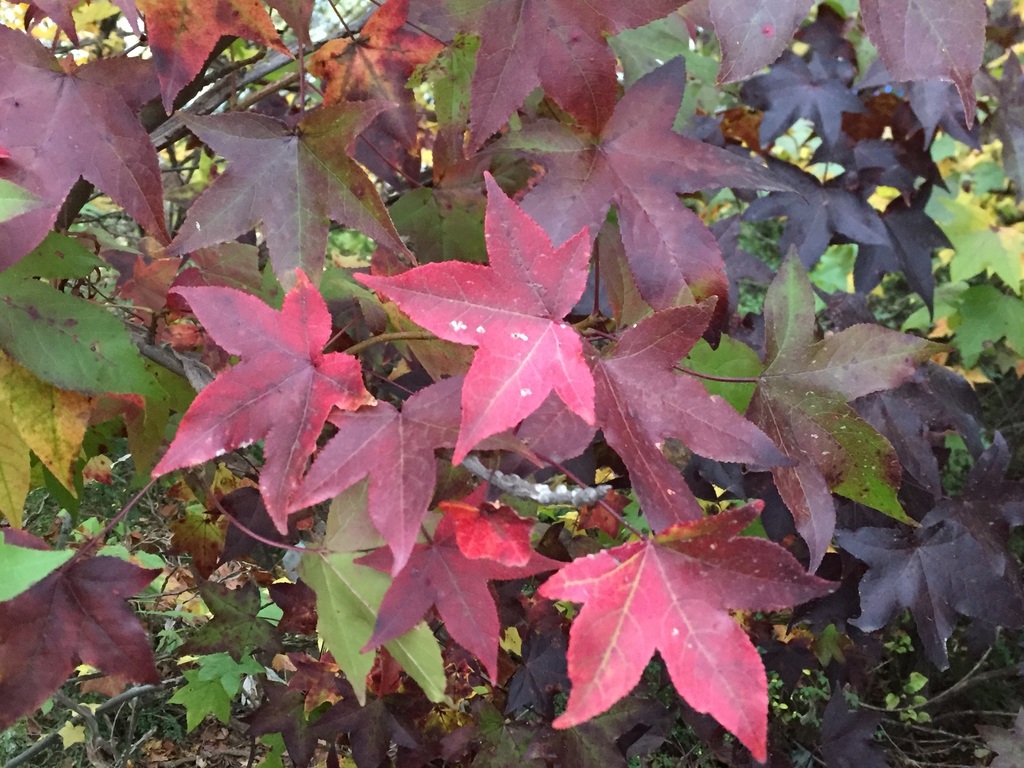
Sweetgum grows fast, tolerates wet feet, and drops the dense organic leaf litter that firefly larvae patrol. Its spiny seed balls feed finches. Often removed from yards for those same seeds but consider keeping one near a damp, low-traffic area instead. Its ecological work as a habitat tree is hard to replace.
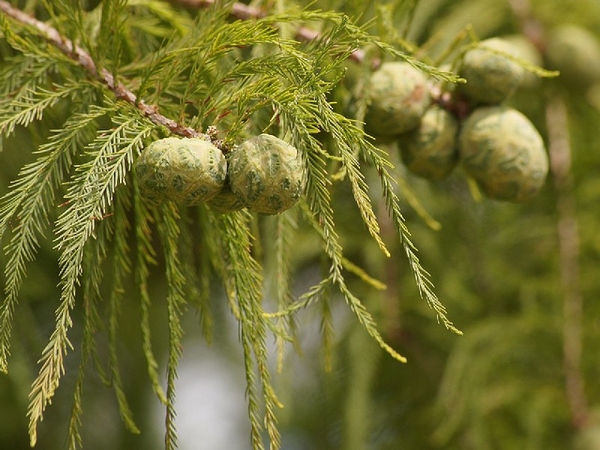
NC swamps and river edges are Bald Cypress territory, and they are also prime firefly habitat. Bald Cypress builds thick duff around its base where firefly larvae can overwinter. If you have a low, wet spot in your yard that nothing else thrives in, this is the tree for it.
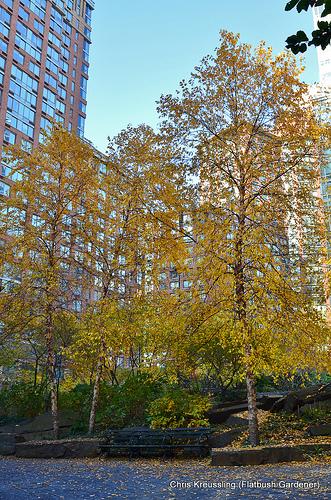
River Birch grows along NC stream banks and bottomland edges. It often grows in multi-stem clusters that create the shaded, humid ground conditions fireflies prefer for larval development. The exfoliating bark makes it a popular landscape tree, and the habitat value is just as strong.
Understory Shrubs for Cover and Signaling Space
Fireflies signal in the lower airspace, from ground level to about ten feet up. That is understory shrub territory. Native shrubs planted beneath canopy trees fill in the vertical layer where adults spend most of their active time. Shrubs that prefer moist conditions are especially valuable because they naturally grow where firefly larvae thrive below ground.
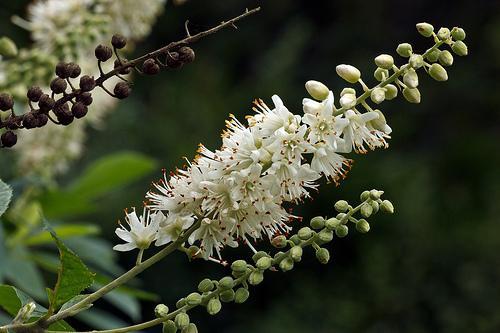
Summersweet blooms in mid-summer with fragrant white spikes that pull in native bees and butterflies at the same time fireflies are active. It grows naturally in swamps and moist woodland edges throughout the NC coastal plain. Plant it under canopy trees near water to build out the understory layer fireflies need for cover.
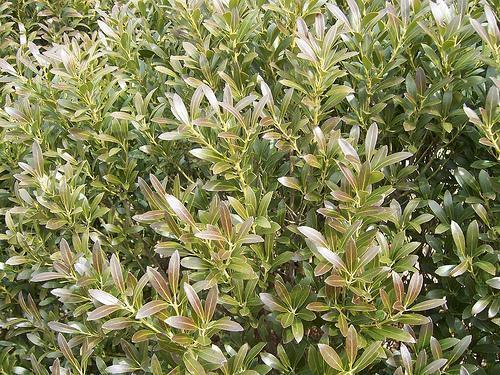
Inkberry is an evergreen holly native to NC's wet pine flatwoods and pocosins. It tolerates wet soil and part shade, spreads by rhizomes to form dense colonies, and produces dark berries that birds eat in winter. Dense Inkberry thickets near wet areas are among the most reliable firefly habitat features you can add to a yard.
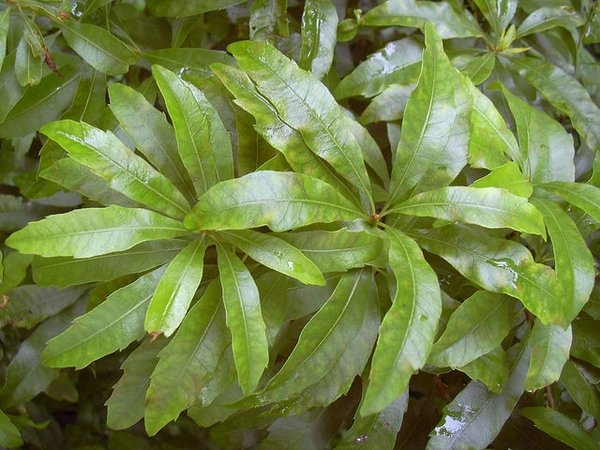
Wax Myrtle colonizes roadsides, forest edges, and wetland margins across the coastal plain. It fixes nitrogen, tolerates salt spray, and provides dense year-round cover. Its gray-blue berries feed warblers and fall migrants. It builds the kind of sheltered microhabitat fireflies use throughout their life cycle, and it does it fast.
What You Can Stop Doing Right Now
Planting is only half the work. Firefly habitat is as much about what you stop doing as what you add.
Raking and blowing leaf litter away from beds removes the exact material firefly larvae need to survive through winter. Leave fallen leaves in place under shrubs and trees. They decompose into better soil and support more insects, fireflies included.
Pesticide use is the other major driver of decline. Broad-spectrum insecticides and routine lawn treatments kill firefly larvae in the soil. If fireflies are a priority, stop applying insecticides to the ground layer where larvae overwinter. That trade-off is not complicated.