

Five-Lined Skinks (Plestiodon fasciatus) are one of the most common lizards in North Carolina, but most people who see one darting across a patio have no idea what keeps them there. They are not random visitors. They are following food and structure.
The plants in your yard determine whether a skink can survive there. This guide covers the native species that build the habitat Five-Lined Skinks actually need: dense cover, leaf litter, insect abundance, and warm exposed edges to bask on.
What Five-Lined Skinks Actually Need
Five-Lined Skinks are insectivores. They eat beetles, caterpillars, crickets, spiders, and other small invertebrates. The more insects your garden supports, the more food is available to them. Native plants do this. Turf grass and ornamentals from overseas largely do not.
Beyond food, skinks need structure. They need dense vegetation to hide in, leaf litter to hunt through, and warm open spots nearby where they can thermoregulate. A garden planted with natives gives them all three. A monoculture lawn gives them almost nothing.
In NC, Five-Lined Skinks are common from the coast to the mountains. They are especially well-suited to forest edge habitat, which is exactly what a well-planted native garden mimics at the backyard scale.
A Grass That Does Most of the Work
Grasses are foundational for skink habitat in ways most gardeners do not expect. Dense clumping grasses create sheltered spaces at ground level where a skink can hunt, hide, and stay safe from aerial predators. No other plant type does this as effectively at the base of the garden.
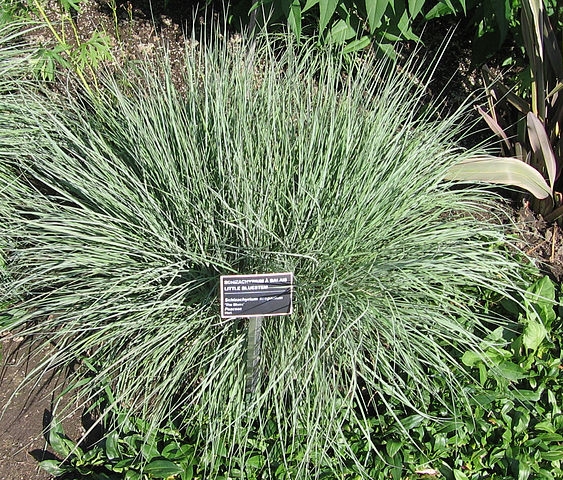
A warm-season bunchgrass native to NC's coastal plain. It grows 2 to 4 feet tall in dense upright clumps, turning copper-red and bronze in fall. The tight basal growth provides ideal ground-level shelter, and the flowering stalks support specialist insects including skipper larvae, beetles, and leafhoppers that are prime skink food. Plant in full sun to partial shade in well-drained soil.
Shrubs for Cover and Insect Life
Dense native shrubs give Five-Lined Skinks the immediate escape cover they rely on at the edge of any open area.
Skinks use shrubby garden edges the same way many songbirds do: as a boundary between open foraging ground and protective cover. A planted shrub border along a fence, foundation, or bed edge creates that transition zone. The shrubs below are all NC natives with strong insect value and the structural density skinks need.
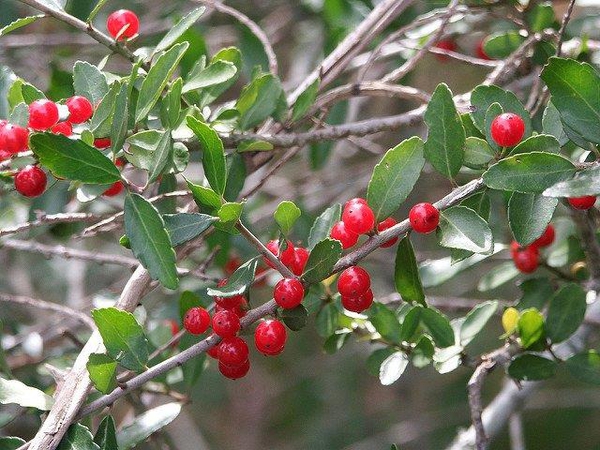
A dense, salt-tolerant evergreen shrub native to NC's coastal plain. The branching structure is tight enough to give skinks immediate escape cover, and the leaf surfaces support scale insects and other small invertebrates throughout the year. One of the highest-wildlife-value shrubs in the Southeast.
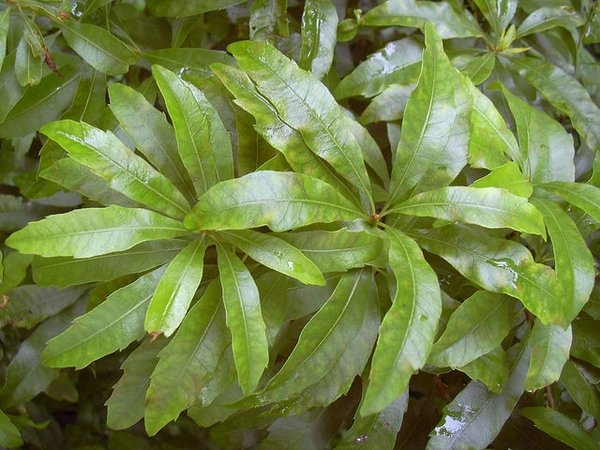
A fast-growing native shrub common along the NC coast and piedmont. Wax Myrtle drops leaves continuously throughout the year, building deep leaf litter beneath the canopy that skinks actively hunt through for beetles and other invertebrates. The waxy berries support the Yellow-Rumped Warbler and many other wildlife species through winter.
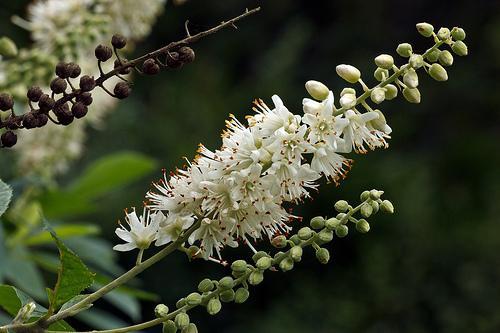
Summersweet blooms in mid-summer with fragrant white flower spikes that draw in large numbers of bees, wasps, and beetles. That insect activity is exactly what a foraging skink looks for. It thrives in moist, shaded spots and pairs well with Little Bluestem in a mixed edge planting.
A tough native evergreen tree that provides year-round structural cover along edges and in open fields. Eastern Red Cedar creates thermal warmth near its trunk that skinks use on cooler mornings. The accumulated needle layer builds a dry, warm microhabitat at ground level that supports the ground-dwelling beetles skinks hunt.
Add Physical Structure Too
Plants alone get you most of the way there, but Five-Lined Skinks spend significant time under and around logs, rocks, and debris. A few flat rocks placed at the sunny edge of a native planting area, or a small brush pile near a shrubby border, dramatically increase the habitat value of the space.
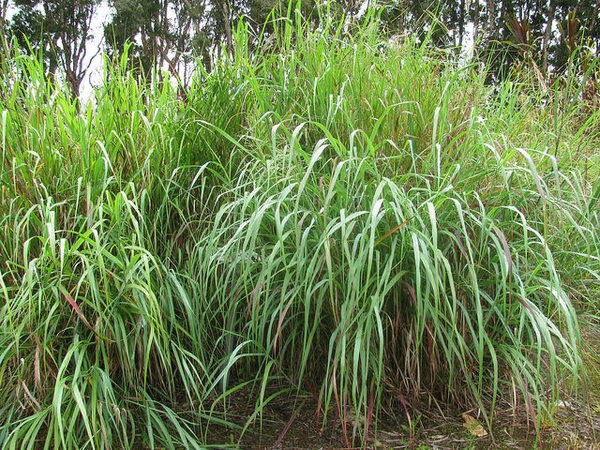
Switchgrass (Panicum virgatum) is a strong companion to Little Bluestem in mixed skink plantings. It grows taller, moves in the wind differently, and adds a second layer of vertical structure. The two grasses together create a layered ground-level habitat that skinks, ground-nesting bees, and many sparrows all use.
Why the Plants Matter
The relationship between native plants and wildlife is not aesthetic. It is structural. Every insect species that colonizes a native plant is a food source for something else. Every layer of leaf litter is a microhabitat. Every dense shrub edge is a refuge from predators.
Five-Lined Skinks in NC are not in decline, but the habitat that supports them is. Turf conversion and invasive plants fragment the woodland edge conditions they depend on. A residential yard with even a few of these native species puts that edge back, at the scale where it matters most.