

Walk into any native plant nursery and you'll find both the plain species and something with a name like 'Magnus,' 'Pow Wow Wildberry,' or 'Jacob Cline.' These are nativars — cultivars selected from native species for a particular trait: bolder color, compact size, doubled flowers, or disease resistance. They're sold as native plants, and technically the parent plant is. But for the insects that depend on them, the differences often matter.
Here's what to look for when choosing between straight species and nativars for five NC native wildflowers you're likely to find at local nurseries this summer.
What Insects Actually Need
Native insects — especially specialist bees, moths, and beetles — rely on native plants in ways that are tied to specific plant chemistry, flower structure, and timing. A bumblebee visiting a straight-species coneflower has direct access to pollen through an open disk. A bee visiting a double-flowered cultivar of the same species may find extra petals where the reproductive structures should be.
Generalist pollinators can often work around modified flower shapes. Specialist insects — those that have evolved to use one plant genus or species specifically — may not be able to. A caterpillar feeding on a cultivar with altered leaf chemistry may not survive to pupation. The best choice for wildlife gardens leans toward the plant the insects already know.
Five NC Natives and the Cultivar Question
In each case, the straight species is the stronger choice for wildlife — but the reasons differ.
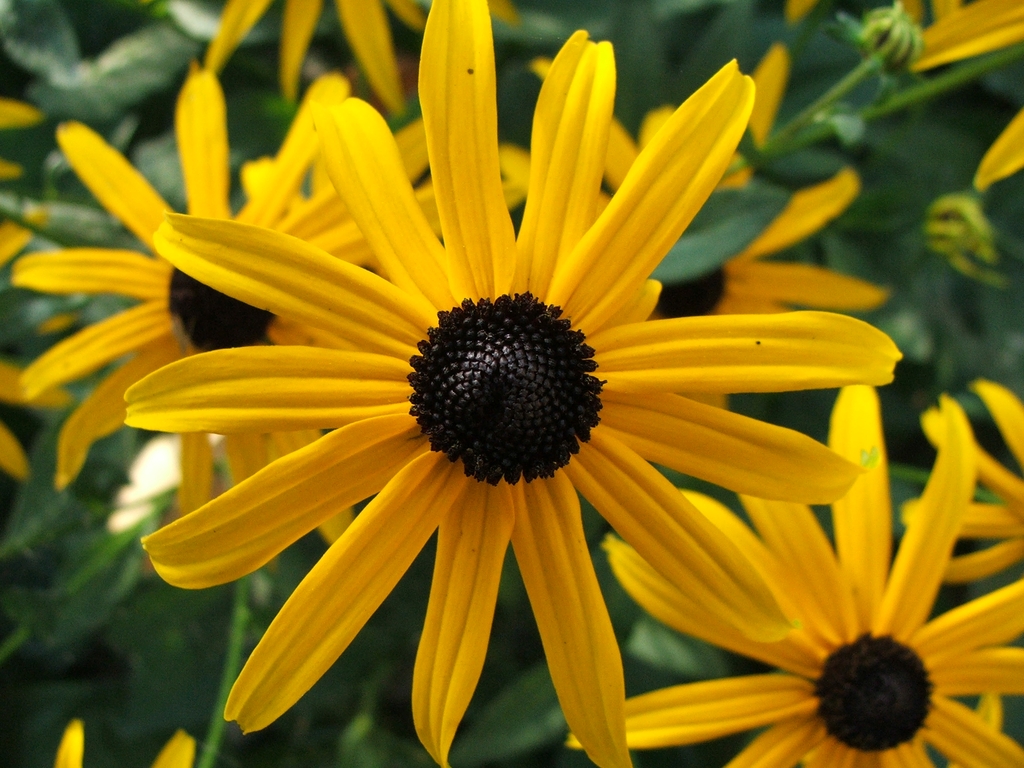
Compact cultivars — 'Goldsturm,' 'Indian Summer,' and others — produce fewer seeds and grow shorter and tidier than the straight species. The wild-type plant grows taller and looser, and that architecture matters: goldfinches and native sparrows forage for seed in the dry seed heads through late fall and winter. Compact, heavily-bred forms also tend to produce reduced pollen loads in some selections.
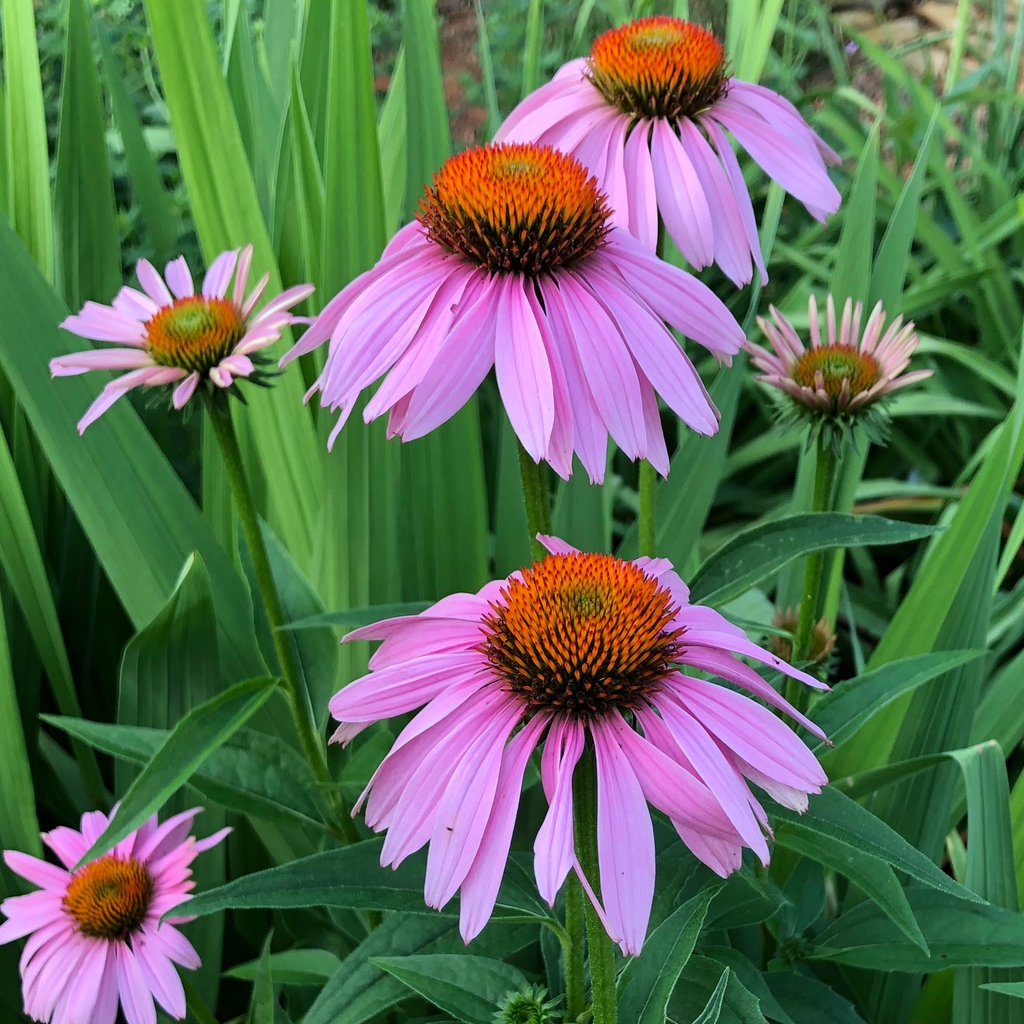
Double-flowered coneflower cultivars convert the pollen-bearing disk flowers into additional ray petals. The resulting plant looks full but functions poorly for pollinators. The cultivar to avoid is anything labeled 'double,' 'powderpuff,' or with unusually dense petals. Single-flowered selections with the characteristic drooping ray petals and spiny orange-brown cone are the functional ones. The straight species has both.
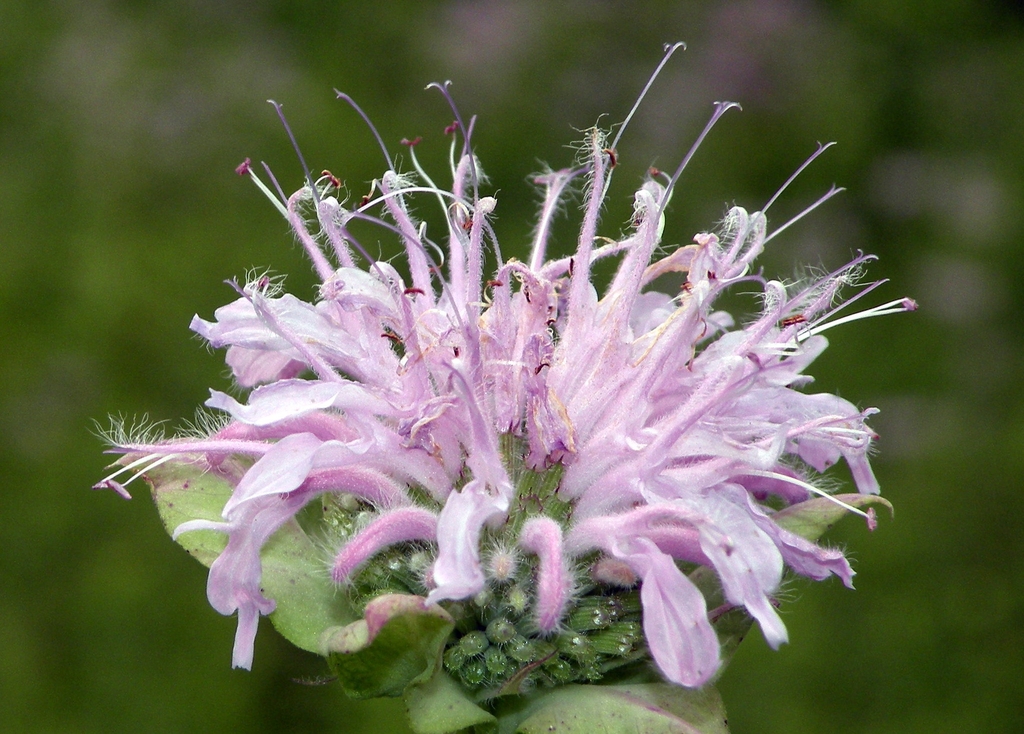
The cultivar story here is almost the opposite case. Many Monarda cultivars were bred for powdery mildew resistance, which is a real problem in humid NC summers. Wild bergamot (Monarda fistulosa) is naturally more mildew-resistant than many of the cultivated M. didyma selections. The straight species is also the one with well-documented relationships with specialist bees that evolved alongside the native plant. In this case, the straight species gives you the ecological function and the disease resistance together.
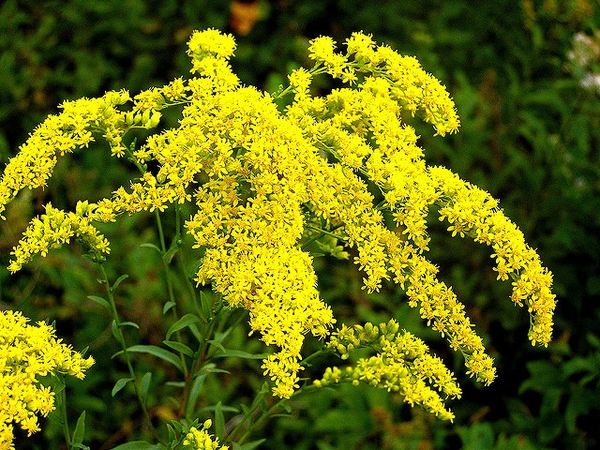
Goldenrod is a keystone genus — it supports over 100 species of specialist insects. Compact cultivars like 'Fireworks' and 'Little Lemon' are bred to stay small and tidy. They generally retain pollinator function, but the straight species (especially Solidago odora and S. rugosa in NC) produces more floral biomass, longer bloom windows, and more seed for wintering birds. Let it spread a little. That's the point.
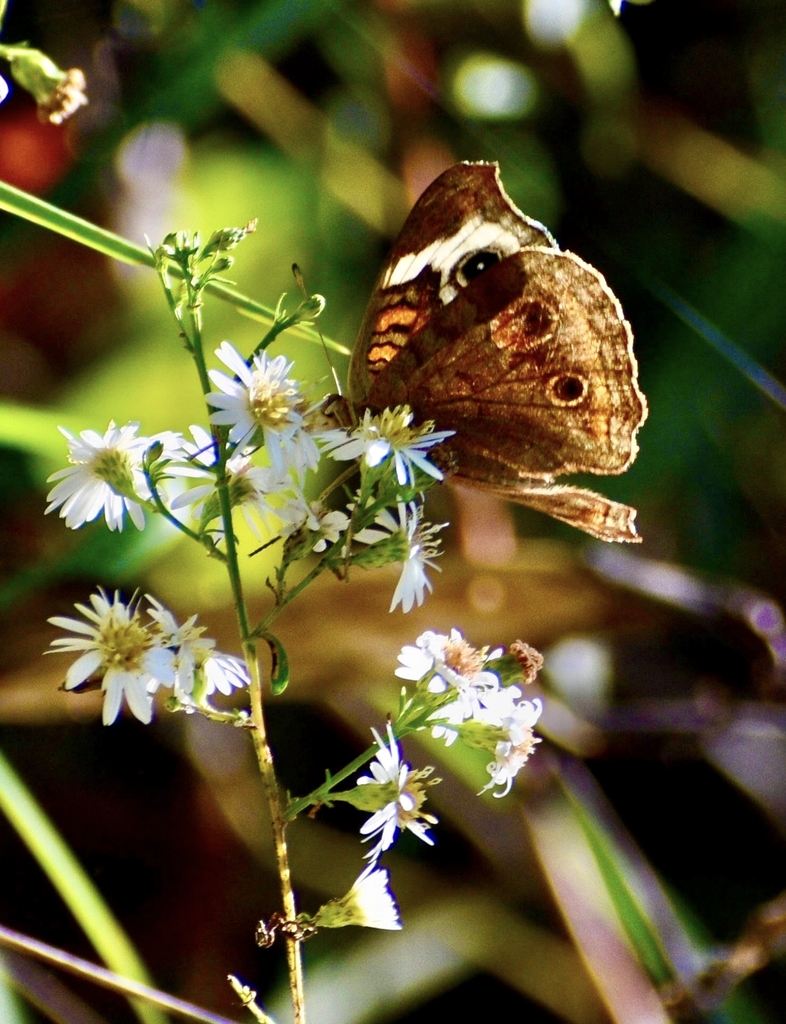
Many fall asters sold at nurseries are hybrid cultivars or European Aster species, not NC natives at all. The NC natives to look for are smooth blue aster (S. laeve), New England aster (S. novae-angliae), and calico aster (S. lateriflorum). These are the ones with documented relationships with specialist bees in the genera Colletes and Andrena that time their emergence to match aster bloom.
How to Tell the Difference at a Nursery
A straight-species plant will have only its genus and species name on the tag — no single-quoted cultivar name. A nativar tag includes a cultivar name in single quotes, like 'Magnus' or 'Fireworks.' If the tag lists only a common name without any species ID, ask before you buy.
Not all cultivars are problematic. A nativar that keeps the original flower structure open, produces seed freely, and hasn't altered leaf chemistry can function like the straight species. The problematic ones are double-flowered forms, sterile cultivars selected to not set seed, very compact plants bred from naturally spreading species, and anything selected for dramatically altered foliage color — like purple-leaved forms of normally green species, which can signal changes in leaf chemistry that affect specialist feeders.
Where to Find Straight-Species Plants in NC
Local native plant nurseries, botanical garden plant sales, and NC Native Plant Society chapter events are your best sources. Plant swaps through native plant Facebook groups and local garden clubs also tend to trade straight-species plants. If you're starting from seed, the NC Extension Plant Toolbox at plants.ces.ncsu.edu has growing information and range maps for most native wildflowers.
The NC Native Plants enamel pin features five coastal plain natives — each one a straight species with a real ecological story behind the illustration.