


The Zebra Swallowtail (Eurytides marcellus) is one of the easiest butterflies to identify in the Southeast. Long tails, bold black and white stripes, vivid red spots at the base of the hindwings. It's unmistakable when you see one. If you haven't seen one, there's a reason: the butterfly's larvae eat one plant. Only one.
That plant is Pawpaw (Asimina triloba), a small native tree that rarely shows up in home gardens. Plant a Pawpaw, and you have a real chance at hosting this butterfly. Without one, you don't.
A Single-Species Dependency
Most butterflies use several host plant species across a family of related plants. The Zebra Swallowtail is different. Its larvae are restricted to plants in the family Annonaceae, and in North Carolina that means Pawpaw. The butterfly cannot adapt to a substitute. Where Pawpaw disappears from the landscape, Zebra Swallowtail populations go with it.
This kind of narrow host-plant dependency is part of why native plantings matter ecologically, not just aesthetically. Specialist insects cannot be supported by a generalized mix of ornamentals. The plant has to be there.
North Carolina has Pawpaw growing in bottomland forests and moist slopes across the Piedmont and mountain regions. It is less common on the coastal plain but does occur in bottomland and mesic areas near streams. Where it grows, the butterfly follows.
Meet the Host Tree
The largest-fruited native tree in North America, growing quietly in NC's understory.
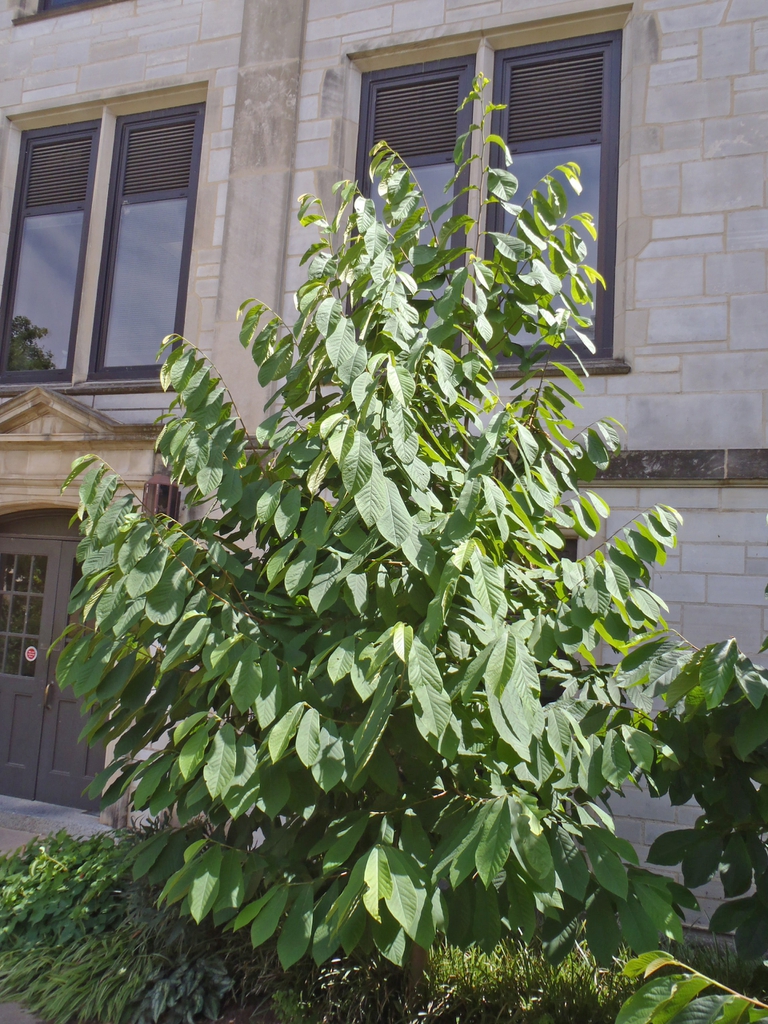
A small deciduous understory tree native to NC's Piedmont and bottomland edges. Grows 15 to 20 feet tall, spreads by root sprouts, and produces large, tropical-flavored fruits in late summer. The sole host plant for the Zebra Swallowtail butterfly in North Carolina.
What Pawpaw Supports Beyond One Butterfly
The Zebra Swallowtail gets the spotlight, but Pawpaw supports a broader community. The fruits ripen in August and September and are the largest produced by any native North American tree. Raccoons, opossums, foxes, and birds eat them. Because Pawpaw is almost never planted commercially, wild and intentionally planted trees are the primary source for wildlife.
The flowers are worth understanding on their own terms. They open early in spring, before the leaves fully emerge, and are pollinated by flies and beetles rather than bees. The maroon, fleshy blooms are an early-season resource for small native pollinators that work flowers bees tend to pass over.
Over time, Pawpaw spreads by root suckering into dense clonal thickets. That structure — overlapping canopy of large leaves, shaded understory — creates nesting and foraging habitat for birds and small mammals at the ground level. A Pawpaw patch functions as a habitat unit, not just a single tree.
Companion Plants for the Same Habitat
Pawpaw grows best in partial shade with moist, fertile soil — a woodland edge, a back fence line, or near a drainage area. These NC natives share similar conditions and round out the habitat structure:
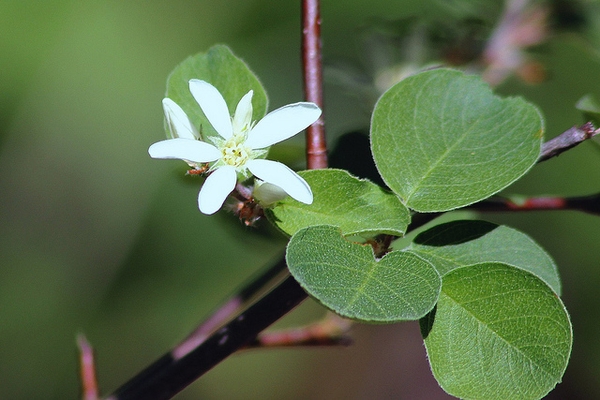
One of the earliest NC trees to bloom in spring, Serviceberry produces small fruits that migrating birds depend on. Grows well in the same moist woodland edges where Pawpaw thrives and adds four-season interest with fall color.
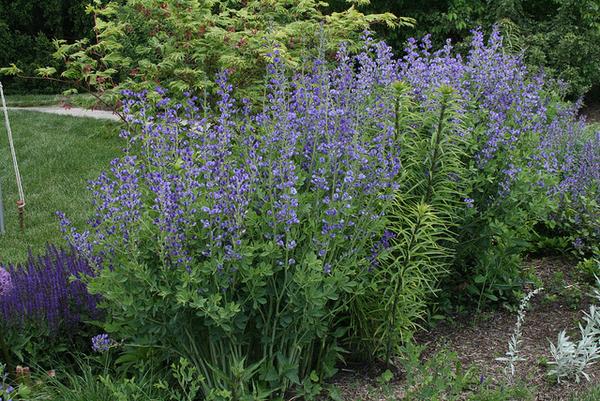
A long-lived NC native perennial for open woodland edges and meadow margins. Host plant for several specialist moths and the Wild Indigo Duskywing skipper. Blue-purple flower spikes appear in late spring and the seedpods persist through fall.
Where to Plant It in NC
If you're in the NC Piedmont, Pawpaw is straightforward to site — any moist, partly shaded area with decent soil will work. On the coastal plain, look for a lower, wetter spot with organic matter in the soil rather than dry sandy upland. It handles NC heat well once established and has no significant pest or disease issues.
Give it space to spread if you can. Over years, a Pawpaw planting becomes a small thicket, which is the point. More leaf surface means more habitat. More plants mean better fruit production and a larger resource base for the Zebra Swallowtail and everything else that depends on it.
If you want to see this butterfly in your yard, there is no shortcut. You have to plant the tree.